
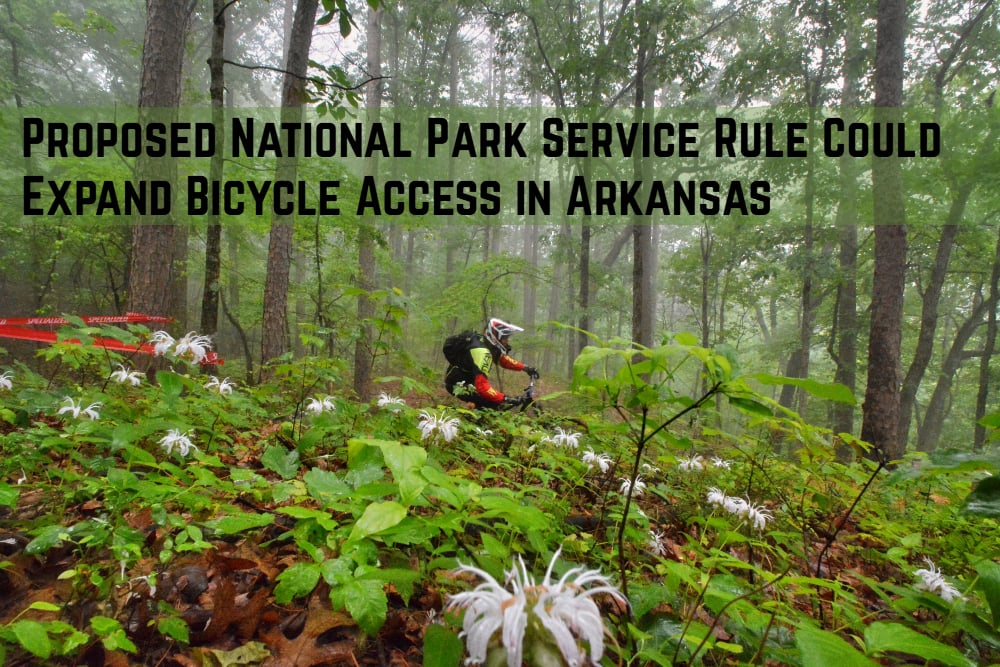

Federal changes could make it easier to open trails to mountain bikes at Hot Springs National Park and Buffalo National River, but environmental concerns and conflicts between trail users remain part of the discussion.
A proposed National Park Service rule could make it easier to expand bicycle access in national parks, potentially opening new mountain biking opportunities in Arkansas.
The National Park Service announced the proposal Sept. 1, 2026, seeking to simplify regulations governing traditional bicycles and electric bicycles on park roads and trails. The changes would give park superintendents greater flexibility to authorize bicycle use while reducing administrative requirements.
For Arkansas, the proposal could affect Hot Springs National Park and Buffalo National River, two popular destinations where bicycle access is currently limited.
The proposal would not automatically open hiking trails to bicycles. Instead, it would streamline the approval process for trails where cycling is considered appropriate.
Public comments are being accepted through Nov. 2, 2026.
What Would Change for Bicycles in National Parks?
Current National Park Service regulations require extensive planning and review before certain trails can be opened to bicycles. Depending on the project, the process can involve environmental assessments, public comment periods and formal rulemaking.
The proposed revisions to 36 CFR 4.30 would reduce some of these bicycle-specific requirements.
Key changes include:
- Simplified trail approvals: Park superintendents could authorize bicycle use on certain existing trails without automatically requiring a separate environmental assessment.
- Reduced administrative requirements: Some mandatory planning documents, written determinations and public notification procedures would be eliminated.
- Expanded e-bike access: Electric bicycles would generally be permitted on park roads and parking areas open to motor vehicles without separate authorization.
- Greater local control: Park superintendents would retain authority to restrict bicycle use to protect visitors, wildlife and natural resources.
- Continued environmental protections: Federal environmental laws would remain in effect, and some trail designations would still require formal rulemaking.
Bicycles would remain prohibited in federally designated wilderness areas.
Mountain Biking Advocates Support the Proposal
The International Mountain Bicycling Association (IMBA) supports reducing regulatory barriers to responsible bicycle access in national parks.
The organization argues that the existing approval process can make even short trail connections expensive and time-consuming. A relatively small section of trail crossing National Park Service property can sometimes provide a critical connection between larger trail networks.
However, IMBA recommends maintaining sustainable trail design standards and allowing park managers to establish appropriate restrictions on electric bicycles.
The organization supports limiting shared-use recreational trails to Class 1 e-bikes, which provide pedal assistance up to 20 mph.
IMBA emphasizes that the goal is not to open every national park trail to mountain biking, but to make appropriate bicycle connections easier to establish.
How Could the Proposal Affect Hot Springs National Park?
Hot Springs is already one of Arkansas’ leading mountain biking destinations, thanks to the Northwoods Trails and Cedar Glades trail systems.
However, bicycle access within Hot Springs National Park remains limited.
Cyclists can ride paved park roads, including routes over North Mountain and West Mountain. The Pullman Trail is the park’s designated bicycle-accessible trail, while most of the park’s approximately 26 miles of hiking trails remain closed to bicycles.
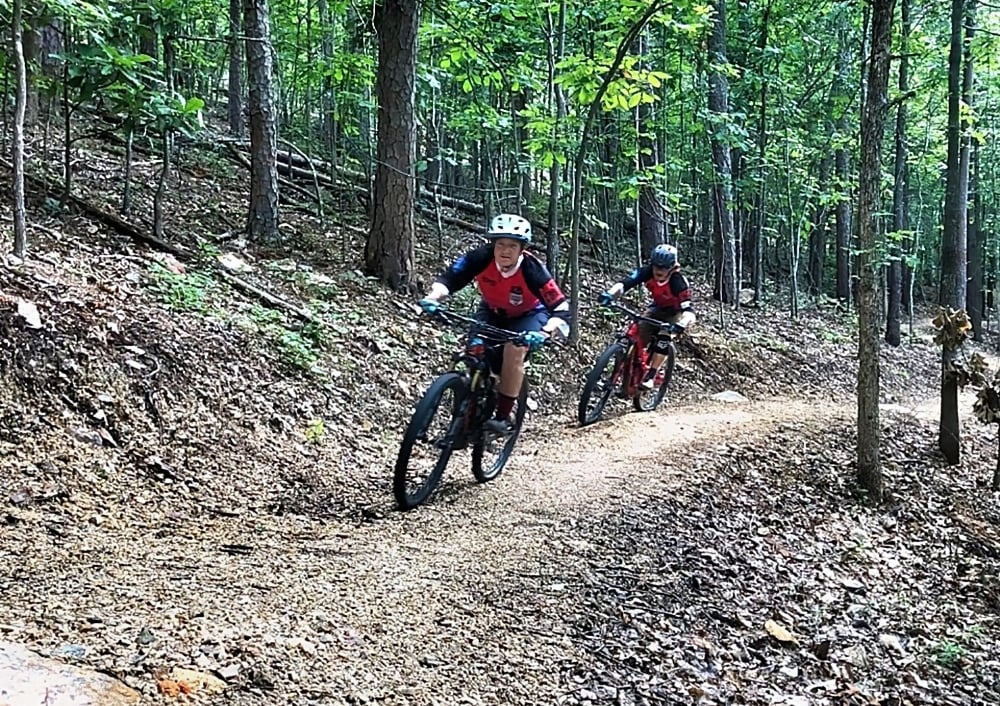
The Pullman Trail Connection
In 2019, the National Park Service authorized bicycle access on the approximately 0.65-mile Pullman Avenue Trail Connection, linking the national park with the Northwoods trail network.
Despite its short distance, the project required an environmental assessment, public comments, a written determination and federal rulemaking.
The proposed regulations could simplify approval of similar connections in the future.
For Hot Springs, this could mean opportunities to improve bicycle connections between neighborhoods, existing mountain biking trails and national park facilities.
However, many park trails feature steep grades, narrow corridors, historic features and significant pedestrian traffic. Any expanded bicycle access would need to consider trail safety, erosion and preservation of the park’s historic character.
The most immediate benefit for Hot Springs may be improved trail connectivity rather than opening the entire hiking trail system to mountain bikes.
Could Mountain Biking Return to the Discussion at Buffalo National River?
Buffalo National River presents another potential opportunity, particularly because park officials previously considered allowing mountain bikes on existing trails.
Currently, bicycles are prohibited on the park’s hiking trails, although certain administrative roads are open to bicycles and permitted e-bikes.
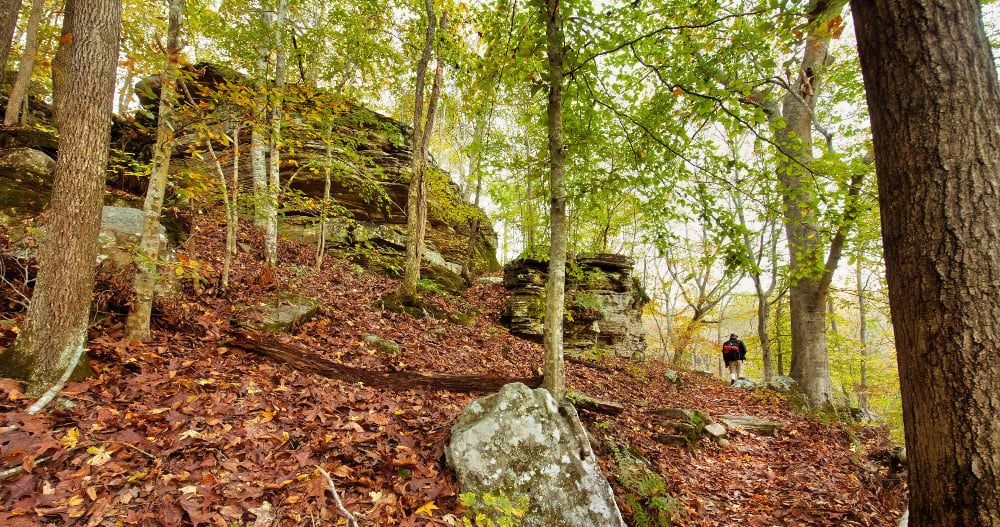
The 2018 Tyler Bend Mountain Biking Proposal
In 2018, the National Park Service evaluated opening selected trails in the Tyler Bend area to mountain biking.
The proposal sought to improve trail sustainability, expand recreational opportunities and make better use of existing facilities.
However, public comments raised concerns about conflicts between hikers and cyclists, erosion, wildlife disturbance and the loss of quiet hiking experiences.
Of the 73 comments received, many opposed expanding bicycle access.
The Buffalo River Trail and Ozark Highlands Trail were particularly controversial. Park officials determined that excluding those routes would make the remaining proposed mountain biking connections less practical.
Ultimately, the selected alternative did not authorize mountain biking on the Tyler Bend hiking trails.
Could the New Regulations Change That?
The proposed National Park Service rule could make it easier to reconsider bicycle access on appropriate existing trails or develop connections between park roads, campgrounds and recreational facilities.
However, the changes would not automatically reverse the previous Tyler Bend decision.
Public acceptance, environmental protection and visitor safety would remain important considerations.
For Buffalo National River, smaller bicycle connections or carefully selected shared-use routes may offer more practical opportunities than opening extensive sections of existing hiking trails.
Federally designated wilderness areas within the park would remain closed to bicycles.
Pros and Cons of Expanded Bicycle Access in National Parks
The proposal has potential benefits for cyclists and surrounding communities, but it also raises legitimate concerns about protecting national park resources.
Potential Benefits
- More recreation opportunities: Expanded access could provide additional mountain biking and family cycling experiences.
- Better trail connectivity: Short connections could link existing bicycle routes and nearby communities.
- Reduced administrative costs: Simplified approvals could allow more resources to be directed toward trail maintenance and visitor services.
- Economic benefits: Bicycle tourism could generate additional spending at local businesses, particularly in communities such as Hot Springs.
- Alternative transportation: Better bicycle connections could reduce dependence on automobiles for some park visits.
Potential Concerns
- Trail-user conflicts: Bicycles and hikers sharing narrow trails could create safety issues.
- Environmental impacts: Increased trail use could contribute to erosion, vegetation damage and wildlife disturbance.
- Reduced public involvement: Eliminating certain public notification requirements could limit opportunities for community input.
- Maintenance expenses: Expanded bicycle access could require additional trail improvements, signage and enforcement.
- E-bike management: Different e-bike classes could create challenges involving speed, trail compatibility and enforcement.
The suitability of bicycle access would depend on individual trail conditions and park management objectives.
Environmental Reviews Would Still Apply
Although the proposal would reduce bicycle-specific administrative requirements, it would not eliminate federal environmental protections.
Projects with significant potential environmental impacts could still require environmental assessments or environmental impact statements.
Formal rulemaking would also remain necessary for certain trail designations, particularly in locations that have not previously been improved with artificial or processed materials.
This distinction is important for Arkansas, where many national park trails are natural-surface routes through sensitive landscapes.
The proposal would also preserve the prohibition on bicycles within federally designated wilderness areas.
How to Comment on the Proposed National Park Service Bicycle Rule
The National Park Service is accepting public comments through 11:59 p.m. Eastern time Nov. 2, 2026.
Comments can be submitted at Regulations.gov by searching for Regulatory Identification Number 1024-AE97.
Arkansas cyclists, hikers and other outdoor recreation enthusiasts can provide feedback on potential trail connections, environmental protections, public involvement and appropriate bicycle access.
Comments addressing specific opportunities or concerns at Hot Springs National Park and Buffalo National River may be particularly useful.
What Happens Next for Bicycle Access in Arkansas?
Arkansas has demonstrated the recreational and economic value of mountain biking through trail development in Hot Springs, Northwest Arkansas and other parts of the state.
However, national parks have a distinct responsibility to protect natural landscapes, cultural resources and visitor experiences.
The proposed National Park Service rule could provide a more practical process for evaluating bicycle access without automatically opening existing hiking trails.
At Hot Springs National Park, improved connections to surrounding mountain biking networks may offer the greatest immediate opportunities. At Buffalo National River, the proposal could encourage renewed discussions about appropriate bicycle routes while addressing concerns raised during previous planning efforts.
The question is not whether every national park trail should be open to bicycles, but whether park managers should have greater flexibility to allow cycling where it makes sense.
For Arkansas, the answer could shape future mountain biking opportunities at two of the state’s most recognizable national park destinations.
Editor’s note: The proposed regulations have not been finalized. Existing bicycle restrictions at Hot Springs National Park and Buffalo National River remain in effect.
One Response
As a frequent hiker on the Hot Springs NationAl Park trail system, allowing mountain bike traffic on these trails would be dangerous. The trails are popular among families with young children, hikers with animals, horseback riders, and they are popular with senior citizens. Please, do not expand the trails to include mountain bike traffic. .