

The holiday shopping season is here, which means a lot of people are wandering the aisles looking for that perfect new bike for their kids, spouse, or maybe even themselves. Bikes make great gifts, and this time of year always brings a rush of shiny frames, bright colors, and big decisions. Before diving into the world of two-wheeled holiday surprises, it helps to know what you are getting into, especially when choosing between a big box store special and a bike from your local shop.
Back in the early 1970s I had a dream, and it involved two wheels. I stashed every penny I earned mowing lawns and delivering papers into a cigar box on the top shelf of my closet. That money had one true purpose, to buy a bike. As Christmas approached, my parents pitched in, and together we bought my first 10 speed, a shiny Huffy from a big box retailer, maybe Toys “R” Us. It was far from premium, but I did not care. For the next few years I rode that bike until I literally wore it out, and I loved every second of it.
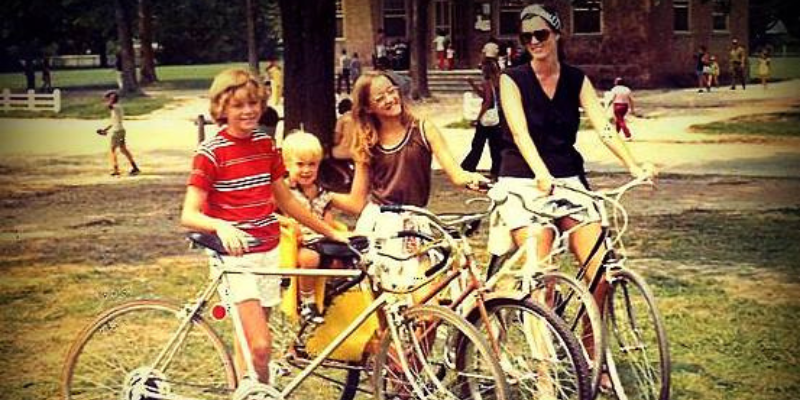
That Huffy taught me more than how to ride. I learned how to clean it, tune it up, and keep it roadworthy. I learned how to adjust brakes and derailleurs, patch flats, replace bar tape, even rebuild the hubs and swap out chains. Every weekend I would set out on 50 to 60 mile rides just for the thrill of it. I was 13 or 15, and that bike was my passport to freedom.
Lucky for me, the bike had been assembled properly at the start. I rode it straight to my friend’s house that same day, and it worked perfectly. Back then many big box stores had real bike departments with mechanics who actually knew what they were doing. Sadly, those days are mostly gone.
The Reality of Big Box Bike Shopping Today
Today, thanks to a steady stream of social media photos and bike enthusiast friends who treat maintenance like a religion, I see too many examples of poorly assembled bikes from big box stores. The frames might be heavy, but often the real problem is not the parts, it is how the bikes are put together. That can make a bike more than just frustrating to ride, it can make it dangerous.
I still remember strolling through a big box store last week and seeing a bike, a “Schwinn mountain bike,” whose front fork was installed backward. If someone rode that off a curb or down a ramp, it could have ended badly.

It is easy to understand why big box bikes are appealing. You are shopping for a kid whose interest might vanish, or you just want a low cost bike to try out riding without committing hundreds or thousands of dollars. That is fine. But if you go that route, you need to be aware of the risks.
Why Local Bike Shops Often Win
If you start your search at a local bike shop you might be pleasantly surprised. Even their lower end models tend to be better built than what you find in a chain store. They come properly assembled and fitted. Staff there can answer your questions about maintenance, fit, use, safety, and help get you rolling correctly from day one.
Local shops offer more than bikes. They give you service and support, tune ups, safety checks, part replacements, advice on what kind of bike matches your riding style. That kind of care and guidance can make the difference between a ride you dread and one you cannot wait to take.
And if you ever want to upgrade, get parts, or trade in, many local shops offer those options. That can make a modest starter bike from a shop a better long term investment than a bargain bin purchase elsewhere.
If You Are Buying from a Big Box Store, What to Watch For
If you do decide to go the big box route here are a few friendly suggestions to help make it safer and more fun.
- Get it checked by a real mechanic as soon as possible. Loose stems, backward forks, misadjusted brakes or derailleurs, loose wheels, these are surprisingly common when bikes come assembled from big box stores. A professional tune up can save you grief and keep you safe.
- Understand you may trade convenience for long term value. Big box bikes might look cheap and tempting, but poor build quality and tricky maintenance can turn that saving into extra cost or safety risks.
- Think about resale or upgrade potential. Big box bikes tend to have lower resale value. A decent bike from a local shop may hold up longer or be easier to trade or sell down the line. As one commenter once said, a bike bought from a local shop was ridden for thousands of miles and resold for nearly half what it cost years earlier.
- Consider what you want out of the bike. If it is a “give it a test spin,” a kid’s first bike, a spare for light rides, a casual cruiser, a big box bike can do the job. But if you want reliability, comfort, longevity, or plan regular riding, a local shop bike sets you up better for the long haul.
Final Thought
I still think about that old Huffy with a grin. It opened up a world for me, and I learned more than I ever expected from it. But not every bike you buy deserves that kind of ride or those lifelong memories.
If you really want a bike that will last, that you trust enough to explore the roads and trails around Arkansas, start at your local bike shop. If you go big box, treat it like a first draft, double check, tune up, and do not assume it will ride like your dream bike right out of the box.
Ride safe, ride often, and may your next pedal stroke feel like freedom.
This article was originally published on ArkansasOutside.com, your trusted source for outdoor news and updates in The Natural State. Unless otherwise credited, all photos included in this piece are the property of Arkansas Outside, LLC. We take pride in sharing the beauty and adventures of Arkansas through our lens—thank you for supporting our work!