
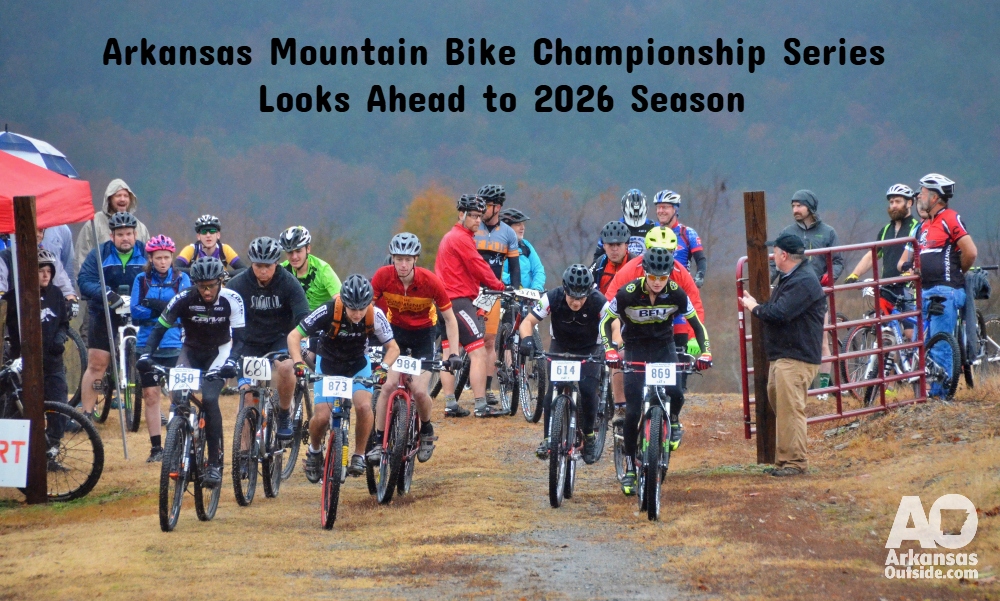

Yesterday, I attended the Arkansas Mountain Bike Championship Series open forum in Hot Springs to learn more about updated rules and the race schedule for the 2026 season. The meeting offered both a look forward at what is coming next year and a reminder of how deeply rooted the series is in Arkansas mountain biking history.
A Brief History of the Arkansas Mountain Bike Championship Series
The Arkansas Mountain Bike Championship Series, commonly known as AMBCS, grew out of the early mountain biking boom in Arkansas during the late 1980s and early 1990s. As the sport spread through the Ouachita and Ozark Mountains, riders and promoters began organizing cross country races on public lands, primitive trail systems, and some of the state’s earliest purpose built singletrack.
These races were grassroots in every sense. They were volunteer run, low budget, and fueled by a tight knit community of riders who were building the sport as they went.
By the mid 1990s, what had been a loose collection of races became a formal season long points series. The goal was straightforward, create consistency, reward participation, and crown state champions across age and skill categories. Races rotated through Central Arkansas, Northwest Arkansas, the River Valley, and the Ouachitas, helping connect a statewide mountain bike community long before Arkansas gained national recognition for trail development.
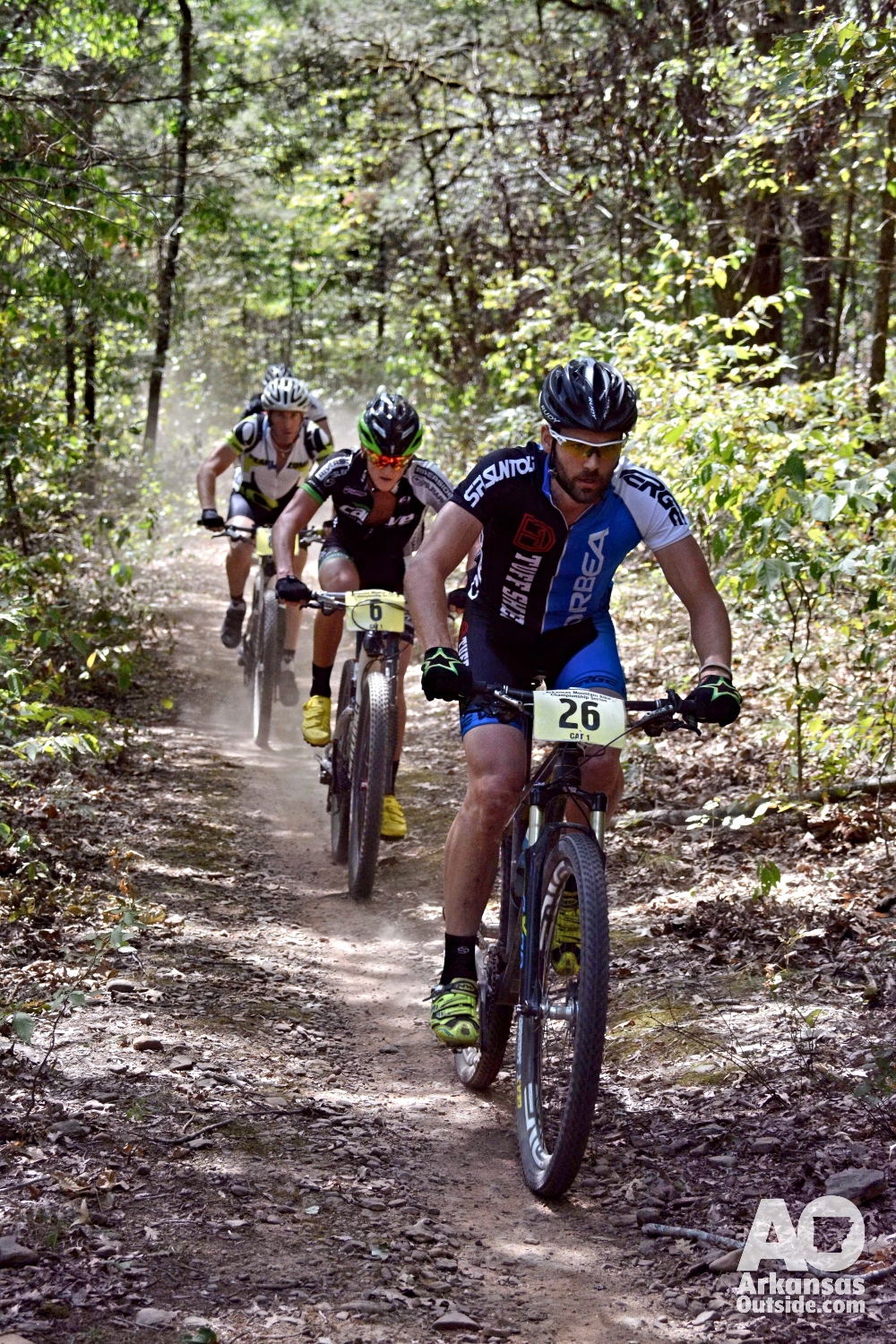
Throughout the 2000s and early 2010s, AMBCS served as a proving ground for Arkansas racers. Many riders started in the series before moving on to regional and national competition, while others stayed for the camaraderie and accessible racing environment. As mountain biking evolved, the series adapted with improved timing, expanded categories, and more professionally built trails, while maintaining its community focused roots.
In the late 2010s, participation in traditional cross country racing declined nationwide as enduro, gravel, and marathon style events grew in popularity. Arkansas followed that trend. Large independent events and expanding trail systems also drew attention away from the series. While AMBCS no longer holds the central role it once did, its legacy remains strong. The series helped establish Arkansas as a legitimate mountain bike state, supported early trail advocacy, and introduced generations of riders to competitive cycling in the Natural State.
How AMBCS Number Plates Work
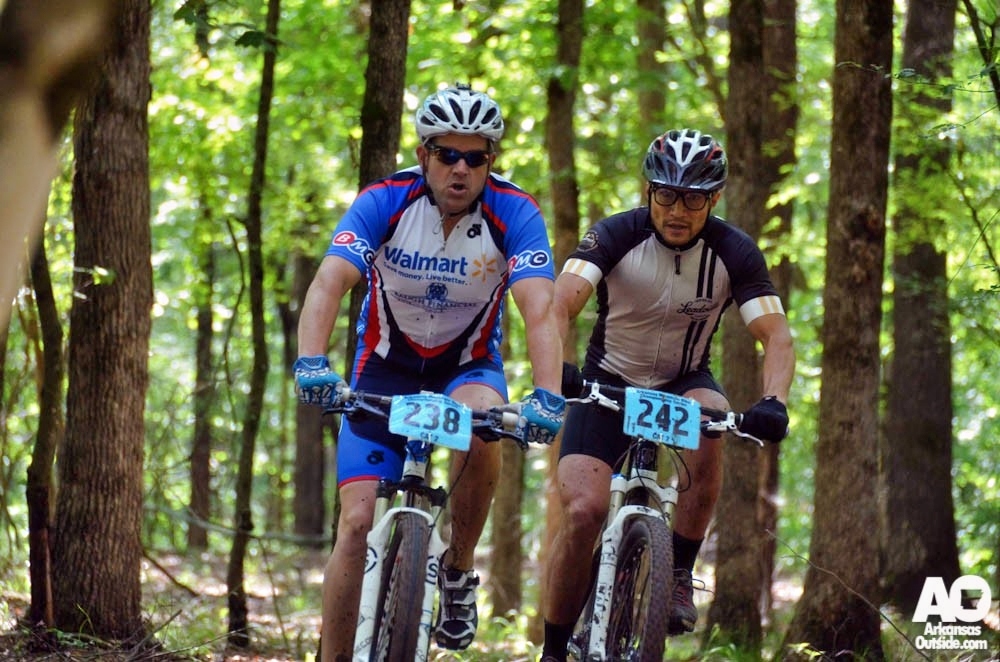
Riders competing in the Arkansas Mountain Bike Championship Series register for a season number plate rather than a single race number. This system allows consistent tracking of results and points throughout the year.
Season Registration
At the start of the season, racers sign up through the series registrar or at the first event. Registration includes contact information, category selection, and payment of the series fee.
Assigned Plate Number
Each registered rider receives a unique number plate that stays with them for the entire season. That number is used at every AMBCS race.
Plate Pickup
Number plates are typically picked up at the first race of the season or distributed in advance. Riders who join mid season can register at any event, depending on plate availability.
Plate Use and Responsibility
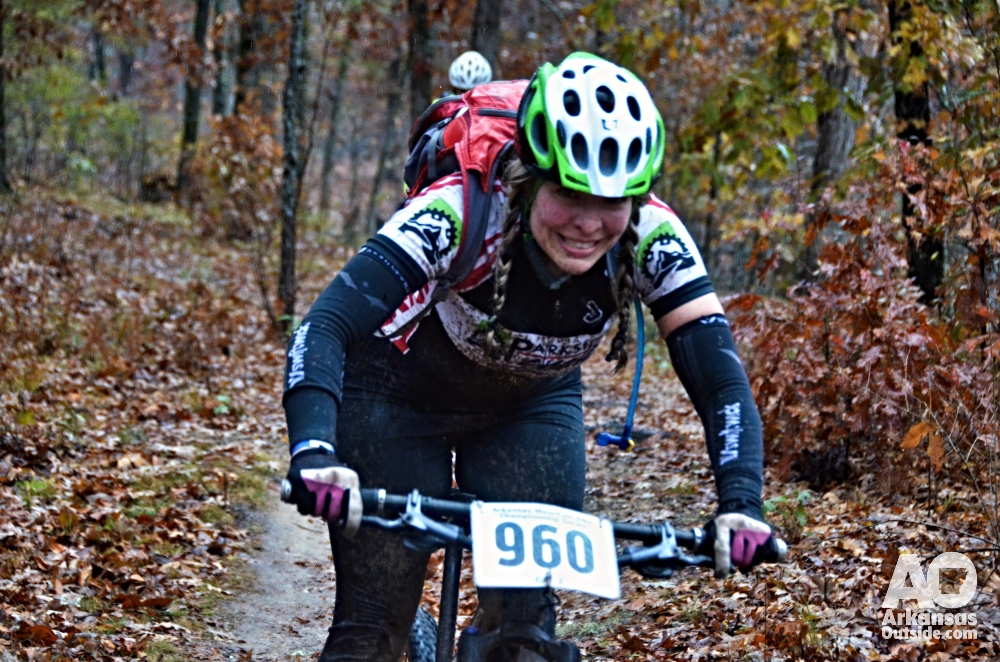
Racers are responsible for bringing their plate to every race, mounting it clearly on the handlebars, and keeping it readable. Lost or damaged plates require a replacement fee.
Points Eligibility
Only riders with a registered season number plate earn overall series points and qualify for end of season championships. Non series racers may compete in individual races, but their results do not count toward series standings.
AMBCS Racer Categories Explained
The Arkansas Mountain Bike Championship Series uses a traditional cross country classification system based on experience, fitness, and technical skill.
CAT 3, Beginner
CAT 3 is the entry level racing category. Riders are often new to competition or have limited racing experience. Courses are shorter and less demanding, with an emphasis on race etiquette, pacing, and fundamental bike handling skills. Most riders move up to CAT 2 after completing a season or demonstrating consistent results.
CAT 2, Sport or Intermediate
CAT 2 represents the core of the series. Riders show solid fitness, confidence on technical trails, and an understanding of race strategy. Distances are longer and courses are more demanding. Many racers remain in CAT 2 long term, while strong performers advance to CAT 1.
CAT 1, Expert or Pro
CAT 1 is the highest level of competition in the series. Riders race longer, faster, and on the most technically challenging courses. This category includes highly experienced racers who often compete in regional and national events in addition to AMBCS.
How the System Works Together
The number plate system and category structure create continuity throughout the season. Riders build identity around their plate numbers, track progress from race to race, and advance through categories as skills and fitness improve. Together, these elements support a competitive but welcoming environment that has long defined the Arkansas Mountain Bike Championship Series.
Updated series rules will be available next week at AMBCS.com.
Official AMBCS 2026 Race Calendar
- April 12, 2026, Iron Mountain XC, DeGray Lake, Iron Mountain Trails
- May 3, 2026, Old Post, Russellville
- June 21, 2026, Monument Mayhem, Hobbs State Park, Rogers
- June 28, 2026, Kessler Mountain Jam, Fayetteville
- July 19, 2026, Coler Crush, Bentonville
- July 26, 2026, River Valley Rumble, Ben Geren Park, Fort Smith
- August 1, 2026, Spring Hill Classic, Springhill Park, Barling
- August 9, 2026, Race Around the Lake, Lake Alma, Alma
- September 19, 2026, Northwest Championship, Devil’s Den State Park, Winslow
- October 25, 2026, Attila the Hun, Northwoods and Cedar Glades Park, Hot Springs
A Lasting Legacy in Arkansas Mountain Biking
Today, the Arkansas Mountain Bike Championship Series continues to shape the future of mountain biking in the state. Its influence lives on in the trails being built, the events filling the calendar, and the riding culture that continues to grow across Arkansas. Just as importantly, the series remains a gateway for new racers, introducing each new generation of riders to competitive mountain biking and strengthening the foundation of the sport in the Natural State.
This article was originally published on ArkansasOutside.com, your trusted source for outdoor news and updates in The Natural State. Unless otherwise credited, all photos included in this piece are the property of Arkansas Outside, LLC. We take pride in sharing the beauty and adventures of Arkansas through our lens—thank you for supporting our work!