
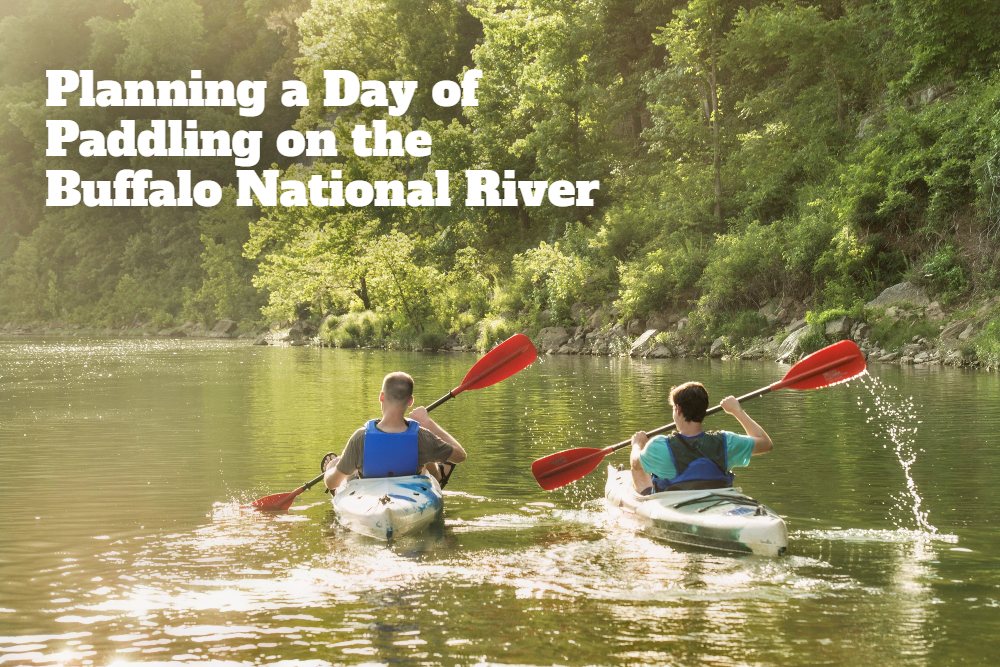

Everything you need to know before launching on America’s first national river.
The Buffalo National River winds through the heart of the Arkansas Ozarks, flowing freely for 151 miles past towering limestone bluffs, gravel bars, forested hillsides, and some of the most scenic landscapes in the South. Designated as America’s first national river in 1972, the Buffalo remains one of the premier paddling destinations in the United States.
A day on the Buffalo can be unforgettable, but successful trips require planning. Water levels change quickly, floatable sections vary by season, and selecting the wrong stretch of river can turn a relaxing day into a frustrating one. Understanding the river’s different sections, checking conditions, and choosing the right float can make all the difference.
Understanding the Buffalo National River
The Buffalo is generally divided into three sections: Upper, Middle, and Lower. Each offers a different paddling experience.
Upper Buffalo River
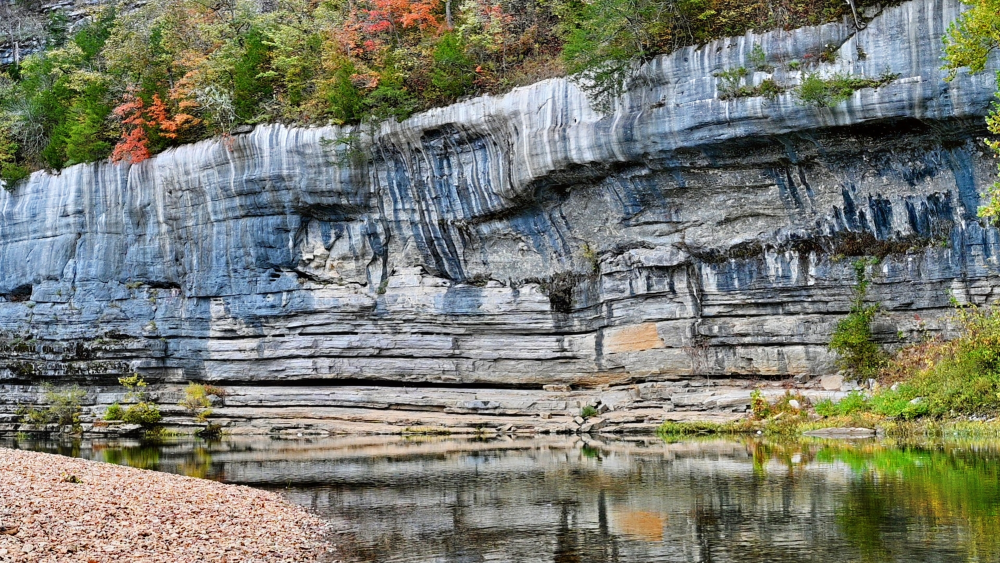
The Upper Buffalo extends from Boxley Valley downstream to Carver. This section features the river’s most dramatic scenery, including massive limestone bluffs, clear water, and frequent riffles and rapids.
The stretch between Ponca and Kyle’s Landing is often considered the most scenic float on the river. Paddlers enjoy Class I and Class II rapids, breathtaking bluff views, and access to the trail leading to Hemmed-In Hollow Falls, Arkansas’s tallest waterfall at approximately 209 feet.
The Upper Buffalo is most reliably floatable during spring and early summer when rainfall keeps water levels high enough for paddling. During dry periods, many sections become too shallow for enjoyable floating.
Middle Buffalo River
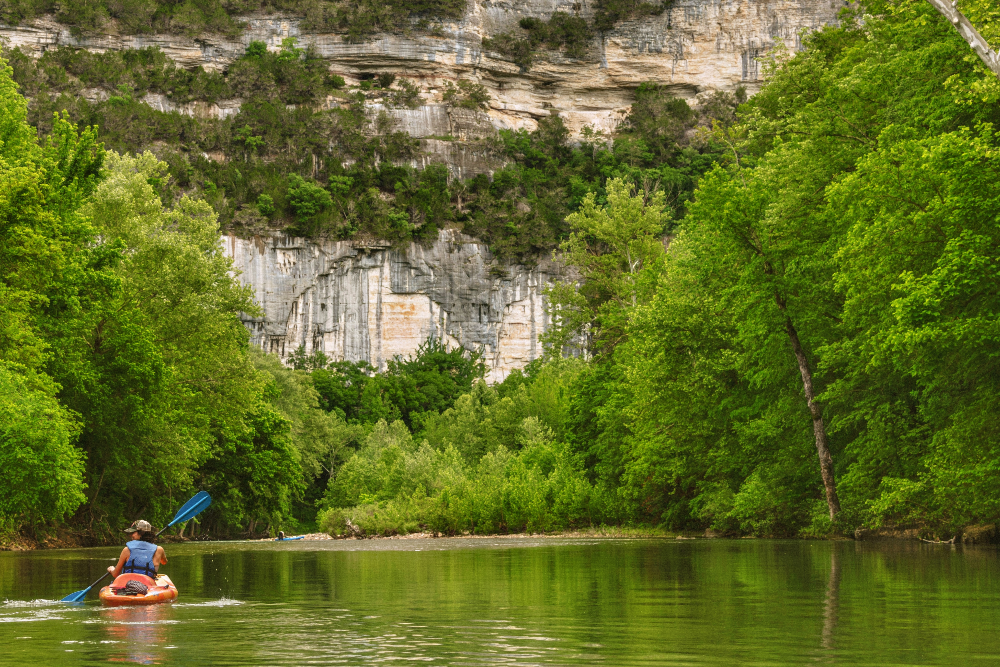
The Middle Buffalo stretches from Carver to South Maumee. This section offers a balance of moving water and longer pools while maintaining impressive scenery.
The river here generally remains floatable later into the summer than the Upper Buffalo. Many paddlers find this section ideal for families and those seeking a less technical experience while still enjoying beautiful Ozark landscapes.
Lower Buffalo River
From South Maumee to the White River, the Buffalo becomes wider and slower. This section is often the best choice during the heat of summer when upper stretches may be too low for paddling.
The Lower Buffalo provides a relaxed experience with broad valley views, gentle currents, and excellent opportunities for wildlife viewing. It is particularly popular among families, first-time paddlers, and anglers.
Check Water Levels Before Every Trip
One of the most important steps in planning a Buffalo River float is checking current water levels.
Unlike dam-controlled rivers, the Buffalo responds directly to rainfall. Conditions can change dramatically within hours. Heavy rain can create swift currents and dangerous obstacles, while extended dry periods can leave sections too shallow for navigation.
Before heading to the river:
- Check current river gauges
- Review recent rainfall totals
- Contact local outfitters for current conditions
- Be prepared to adjust your float plan
Low water often means dragging boats across gravel bars. High water can create strong currents, submerged hazards, and challenging paddling conditions.
When conditions are questionable, local outfitters are often the best source of up-to-date information.
Best One-Day Buffalo River Floats
Ponca to Kyle’s Landing
Distance: Approximately 10.7 miles
Time: 4 to 6 hours
This is one of the most iconic paddling trips in Arkansas. Towering bluffs, clear water, and access to Hemmed-In Hollow Falls make it a favorite among experienced paddlers. Spring is generally the best season for this float.
Steel Creek to Kyle’s Landing
Distance: Approximately 8 miles
Time: 3 to 4 hours
A shorter version of the Upper Buffalo experience. Paddlers still enjoy outstanding scenery and access to Hemmed-In Hollow while covering fewer miles.
Kyle’s Landing to Pruitt
Distance: Approximately 10 miles
Time: Full day
This scenic float continues through some of the river’s most impressive bluff country. An early start is recommended to allow time for breaks and sightseeing.
Tyler Bend to Grinder’s Ferry
Distance: Approximately 4 miles
Time: 1 to 2 hours
An easy float suitable for beginners, families, and anyone looking for a short trip on the river.
Mt. Hersey to Woolum
Distance: Approximately 8.6 miles
Time: 4 to 5 hours
A popular Middle Buffalo float that often remains viable later into the season. Expect beautiful scenery and moderate paddling.
Dillard’s Ferry to Rush
Distance: Approximately 9 miles
Time: 4 to 6 hours
This Lower Buffalo float combines scenic paddling with a visit to the historic Rush mining district, one of the most significant zinc mining sites in Arkansas history.
Working with a Buffalo River Outfitter
Most visitors rely on outfitters for boat rentals and shuttle services.
Licensed Buffalo River outfitters typically provide:
- Canoes, kayaks, and rafts
- Paddles
- Personal flotation devices
- Shuttle transportation
- Current river condition information
Choosing an outfitter usually depends on which section of the river you plan to float. Outfitters located near your desired put-in can help simplify logistics and provide valuable local knowledge.
List of official canoe, kayak, and raft rentals plus shuttle services.
During spring weekends, especially in April and May, reservations are strongly recommended.
What to Bring on a Buffalo River Float
Clothing
- Quick-drying synthetic clothing
- Closed-toe water shoes
- Hat with a brim
- Sunglasses with a retention strap
- Lightweight rain jacket if weather is uncertain
Essential Gear
- Personal flotation device
- Dry bag or waterproof phone case
- Sunscreen
- Drinking water
- Snacks and lunch
- Small first aid kit
- Insect repellent
- Trash bag
Leave These Behind
- Glass containers
- Valuable items that cannot get wet
- Excessive gear that adds unnecessary weight
Buffalo River Safety Tips
Wear Your Life Jacket
A properly fitted personal flotation device is one of the most important pieces of safety equipment on the river. Children under 13 must wear a Coast Guard-approved life jacket while underway in Arkansas.
Watch for Strainers
Downed trees and root wads can create dangerous obstacles known as strainers. Always move away from them early and decisively.
Scout Rapids When Necessary
If you cannot clearly see a route through a rapid, pull over and inspect it from shore before proceeding.
Tell Someone Your Plans
Share your launch point, take-out location, and expected return time with someone who is not on the trip.
Monitor the Weather
Thunderstorms can develop quickly in the Ozarks. Keep an eye on weather forecasts and avoid the river during severe weather conditions.
Things First-Time Buffalo River Paddlers Should Know
Gravel Bars Are Great Places to Stop
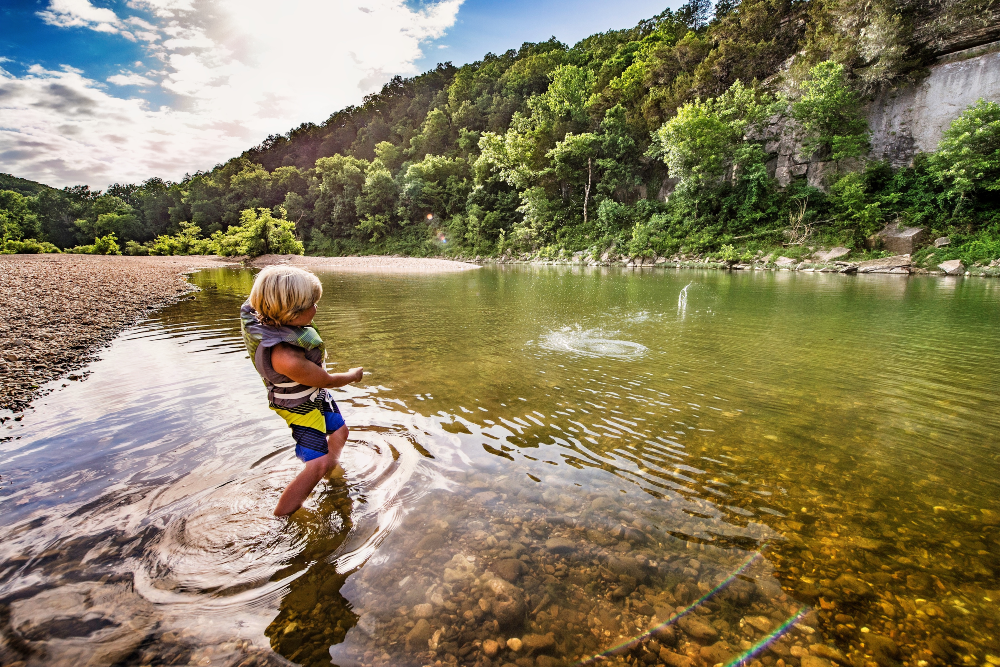
The Buffalo’s gravel bars provide excellent spots for lunch, swimming, fishing, and relaxing. Leave them cleaner than you found them.
Practice Leave No Trace Principles
Pack out everything you bring with you. Respect wildlife, avoid damaging vegetation, and help preserve the river for future visitors. (More on Leave No Trace Principles)
Wildlife Encounters Are Common
Paddlers frequently see elk, deer, river otters, turtles, bald eagles, and a variety of waterfowl. Black bears also inhabit the watershed, though sightings are relatively uncommon.
Cell Service Is Limited
Many areas along the river have little or no cellular coverage. Download maps and directions before arriving.
Final Thoughts
A day on the Buffalo National River offers some of the finest paddling in Arkansas. Whether you’re floating beneath the towering bluffs of the Upper Buffalo, exploring the scenic Middle River, or enjoying a relaxing summer trip on the Lower Buffalo, proper planning will help ensure a safe and memorable adventure.
Check water levels, wear your life jacket, bring plenty of water, and take time to appreciate one of America’s most remarkable rivers. The Buffalo has earned its reputation as a world-class paddling destination, and with the right preparation, you’ll understand why after just one day on the water.
This article was originally published on ArkansasOutside.com, your trusted source for outdoor news and updates in The Natural State. Unless otherwise credited, all photos included in this piece are the property of Arkansas Outside, LLC. We take pride in sharing the beauty and adventures of Arkansas through our lens—thank you for supporting our work!