

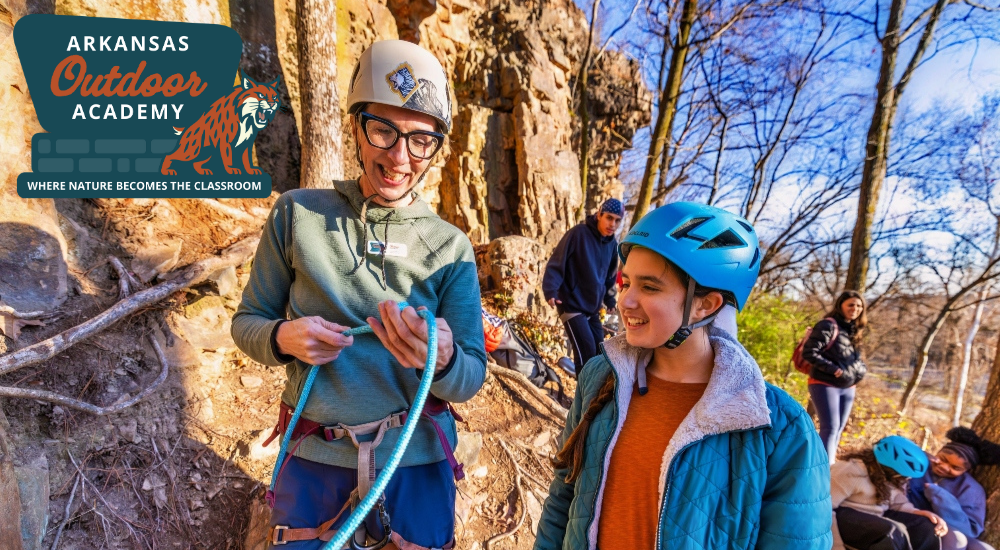


The Arkansas Outdoor Academy is preparing to open in 2026 with a mission that immediately sets it apart. As a new tuition-free public charter school serving grades six through nine, the academy will blend traditional academics with outdoor recreation, conservation learning, and real-world problem-solving rooted in Arkansas’s public lands. Its founders believe the model is not only innovative but urgently needed in a state where outdoor recreation is both a deep cultural tradition and an expanding economic engine.
The team behind the school says the idea grew out of conversations about the needs of Arkansas students, the state’s growing outdoor recreation economy, and the number of families searching for alternatives to screen-driven classrooms. While the school will follow all required state academic standards, it intends to use parks, trails, forests, rivers, and even schoolyard outdoor labs as primary learning spaces.
A School Designed Around Arkansas’s Landscape and the Needs of its Students
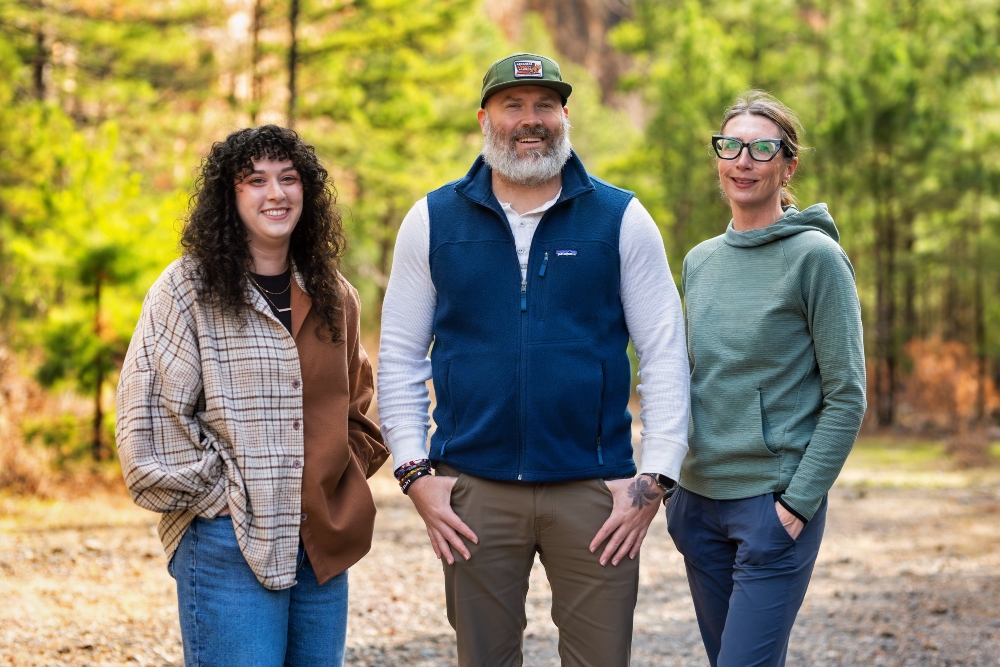
Co-founder, Sharon Bennett said the outdoor emphasis is rooted in the landscape surrounding students every day, but rarely used in the classroom. “Arkansas is an outdoor state. We have rivers, we have forest, we have wetlands, we have public lands everywhere,” Bennett said. “But most of our students never experience that. And we think that is a missed opportunity.”
She said the school aims to change that by connecting classroom lessons with the natural world. Students will spend significant time learning on public lands, studying ecosystems, observing land use, participating in recreation activities, and working on stewardship projects. The goal is not to produce only recreation enthusiasts, but future community leaders who understand the balance between conservation and recreation.
This philosophy aligns with statewide priorities. Outdoor recreation has become a major component of Arkansas’s economic development strategy and a core priority of the Natural State Initiative. Bennett noted that the academy is preparing students for those opportunities. “We are intentionally creating candidates for conservation, parks management, hospitality, and emergency response careers, and helping students understand that recreation is a tool in conservation.”
Restoring Engagement and Social Skills Through Time Outside
Co-founder and Director of Schools, Christopher Horton said the school’s creation is also a response to growing challenges he has seen in middle school classrooms since 2020. “I have seen a decline in social skills,” Horton said. “I see classrooms where students are just sitting for an hour and a half staring at a Chromebook. They are not actually engaged in the learning.”
He believes outdoor instruction changes that dynamic. Horton has already seen the difference through his work with the Arkansas Scholastic Climbing League. “Getting these kids doing something different, a different form of STEM, has just woken them up,” he said. “When we go outside and climb at Rattlesnake Ridge or the Big Rock Quarry, it lets kids see that there is a whole lot more in Arkansas to offer.”
Horton said outdoor learning naturally builds communication, collaboration, and resilience. “It gets kids out of their shell. It gets them working together. It gives them opportunities to fail and still keep going.”
Both Horton and Bennett said these soft skills, including teamwork and persistence, are increasingly important. College professors they spoke with report that many students arrive on campus without the problem solving ability or independence needed to succeed in higher education. They believe the academy’s hands on structure will help fill that gap.
What a Week at the Arkansas Outdoor Academy Will Look Like
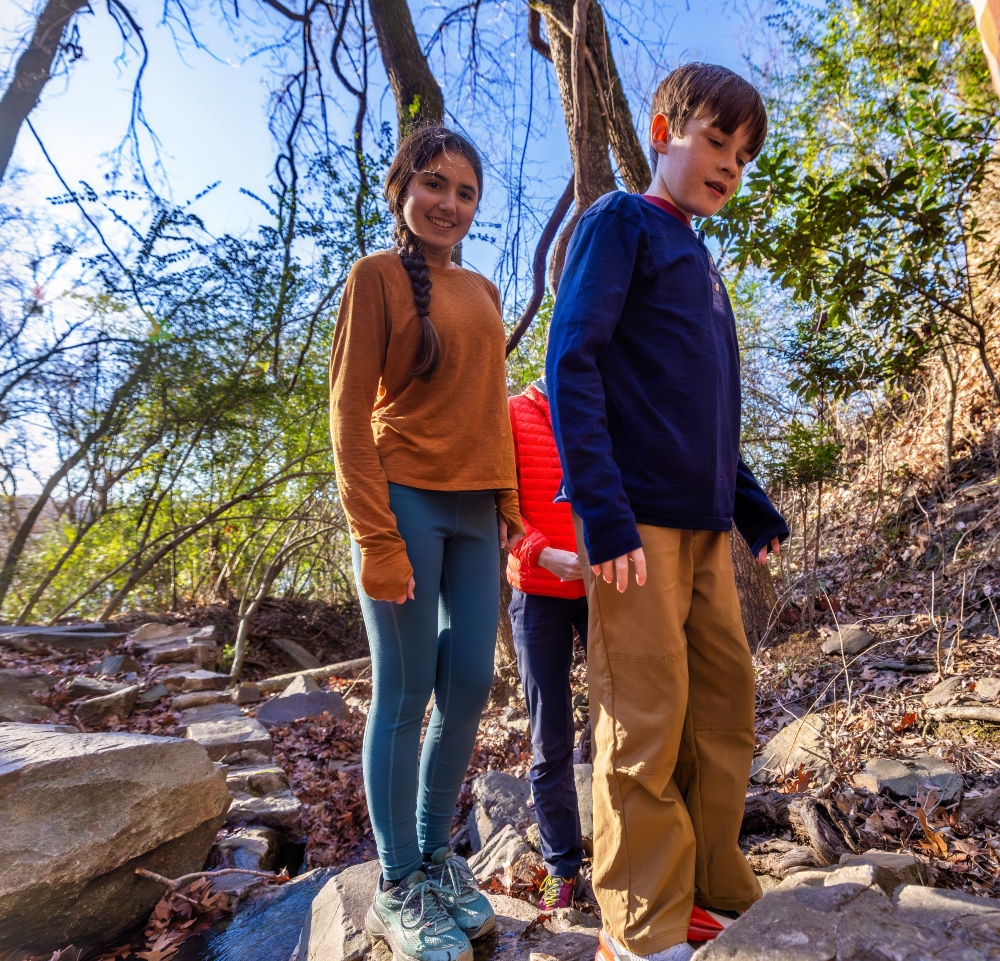
Students will follow a consistent rhythm each week. Tuesdays and Thursdays will be full outdoor instruction days. The specific activities will shift with the seasons.
In the summertime, field lessons will happen early in the morning before heat builds. Students will return to on campus outdoor labs in the afternoons where teachers can replicate field conditions for science, engineering, and navigation lessons. “The outdoor labs will simply be a place where we can replicate some of these things that we are doing out in the parks,” Bennett said. “It might be gardens, it might be bike paths to look at slope, it could be navigation.”
In winter, the schedule flips. Students will spend time indoors during the coldest part of the day and head outside in the afternoon.
If weather conditions require shifting instruction inside, teachers will prepare materials ahead of time to offer equivalent lessons indoors. The outdoor labs will serve as transitional spaces for these days.
Importantly, students do not need outdoor recreation experience to attend. “Do they have to be an outdoorsy kid? No,” Bennett said. “Do they have to purchase specialized gear? No.” The school will maintain a stigma free gear closet stocked with basic equipment. Any student who forgets something or cannot afford certain items can borrow gear and return it at the end of the day.
Transportation, Access, and Equity
The Arkansas Outdoor Academy intends to provide transportation, something relatively uncommon for charter schools. “We will have two bus routes. One on the Little Rock side and one on the North Little Rock side,” Horton said. He expects each route to include five or six stops within a short radius of campus. Buses will also transport students to outdoor learning locations to avoid losing instruction time.
This transportation approach is part of a broader effort to make the school accessible to families who want their children to attend but may not have the means or schedules to handle daily drop offs.
An Academic Model Rooted in Real World Outdoor Skills
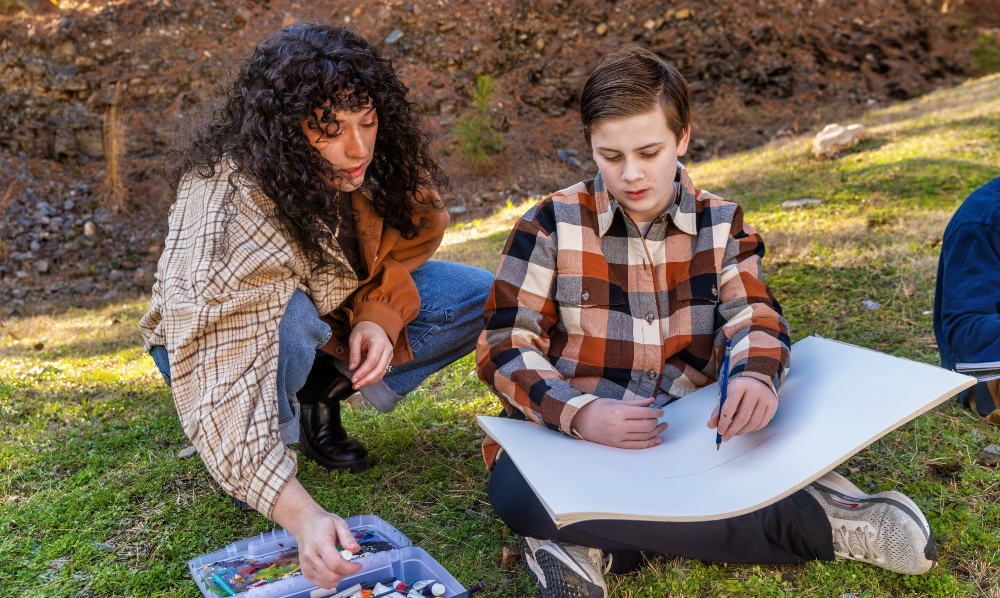
Although the academy is emphasizing outdoor learning, it will fully follow the Arkansas Department of Education’s required curriculum and instructional materials. The difference is in how the curriculum is delivered. Students will learn math, science, literacy, and social studies through direct outdoor application. That may include taking soil samples in a city park, reading maps while navigating trails, studying ecosystems in the wetlands, or learning physics and engineering concepts using bicycles.
The academy’s career pathways will introduce students to conservation, parks management, hospitality, and emergency response. Bennett said this prepares students for multiple trajectories. “If they want to take a job straight out of school, or go to a two year program, or a four year college, they are going to have real world experience that is transferable.”
Horton said the goal is to make students aware of opportunities they may have never imagined. “We are not all cookie cutter shaped people. Everyone is different. We want to give students ideas and opportunities they might not have envisioned as a possibility.”
Recruiting Teachers Who Can Teach and Inspire
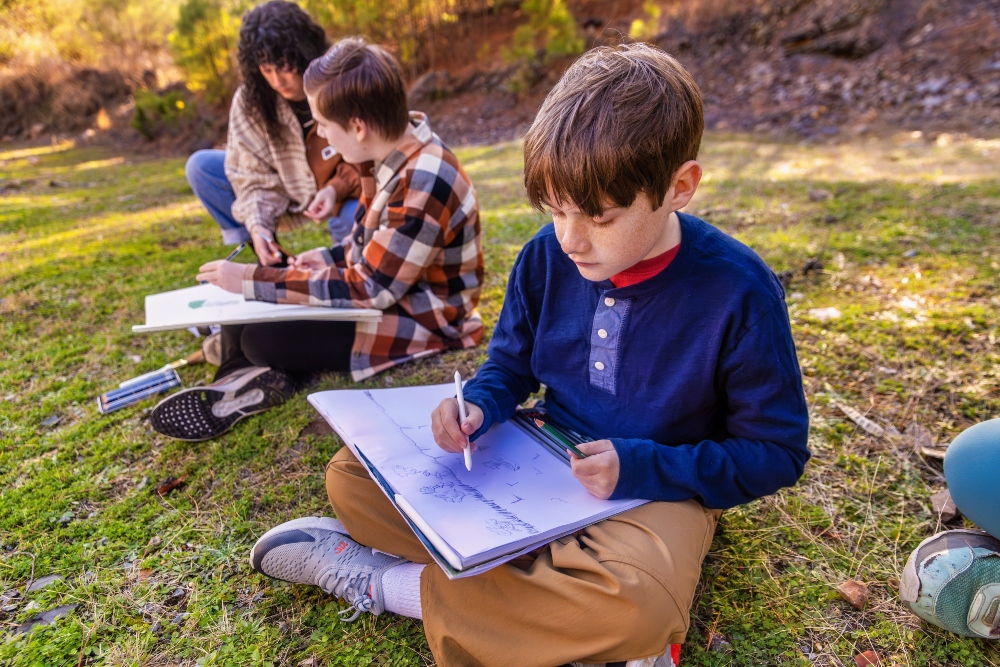
The academy will hire licensed and certified teachers. Outdoor background is not required. Every teacher, however, will be trained in wilderness first aid and will receive professional development in outdoor instruction.
More important than outdoor expertise, Horton said, is an ability to build relationships. “The teachers that we want are those who are great at building relationships, know their content, and are willing to do things outside of the box.”
School leaders expect to hire only six or seven additional teachers before the first year begins, with others already committed to joining the school.
Each grade level will be capped at around one hundred students to keep class sizes between twenty five and twenty eight, which leaders say will provide more personal interaction and support.
Extensive Partnerships with Parks and Land Managers
The Arkansas Outdoor Academy is building partnerships with several key agencies and organizations to support its hands on model.
The school is working on a memorandum of understanding with Little Rock Parks and Recreation, which will allow instructors and students to use many of the city’s sixty two parks for lessons, stewardship projects, and student volunteer hours. Students will help with trail cleanups, habitat restoration, and other tasks that give them practical conservation experience.
The academy is also forging relationships with Arkansas Game and Fish Commission. Horton said the Commission is excited about partnering through the Arkansas Conservation Leadership Program, which will bring speakers, field support, and program opportunities to students.
Talks have also begun with Arkansas State Parks, The Nature Conservancy, and other conservation focused organizations to create additional field learning, research, and career exposure opportunities.
Funding, Facilities, and Governance
Bennett said the funding model has been the subject of misunderstanding. She clarified that Pulaski County is not providing financial backing for the school. “They are simply being asked to be a conduit for our bonds,” she said. These bonds will be purchased by private investors who assume the financial risk, allowing the school to access capital more efficiently.
The school will operate independently as its own public district, similar to eStem or LISA Academy. It must follow all state curriculum rules, testing requirements, and accountability standards.
The future campus is being planned, although the closing process is still underway. The school will appear before local boards in February to finalize facility and bond conduit approvals.
Long Term Vision for Expansion
Interest in the outdoor based education model is already growing. Bennett said the team is focused on establishing a strong foundation in Little Rock first. She said the Delta could be a future location due to significant outdoor investment happening there.
Horton also sees expansion potential. “My vision is five total schools,” he said. “I would like each corner of the state and then central Arkansas. But if we are just in central Arkansas for the next 40 or 50 years, then I am perfectly fine with that too.”
He emphasized that Little Rock offers diverse but underappreciated natural assets. “This city offers just as many things with the outdoors as some of the what are considered the best parts of the state,” Horton said. He pointed to Big Rock Quarry and other parks that remain overlooked by many residents.
A New Kind of Outdoor Focused School for Arkansas
The Arkansas Outdoor Academy aims to deliver an educational model where outdoor recreation is not an occasional field trip but a core part of the school week. Leaders believe the approach will help students develop stronger social skills, deeper academic understanding, and a lasting connection to Arkansas’s natural resources.
In a state where outdoor recreation is intertwined with culture, community identity, and economic growth, the academy hopes to prepare a new generation of Arkansans to learn from, enjoy, and care for the landscapes that define the Natural State.
Be a Part of the Arkansas Outdoor Academy
Would you like more information on the Arkansas Outdoor Academy sign up for their free newsletter. For information on enrolling your child for the Academy go to their Application Page.
The video below was produced by the Arkansas Outdoor Academy and explains their mission:
Photos courtesy of Arkansas Outdoor Academy.
This article was originally published on ArkansasOutside.com, your trusted source for outdoor news and updates in The Natural State. Unless otherwise credited, all photos included in this piece are the property of Arkansas Outside, LLC. We take pride in sharing the beauty and adventures of Arkansas through our lens—thank you for supporting our work!

One Response
If you need an art teacher, I am certified K-12. I would be interested in talking with you about this position and your expectations of art being implemented in your new school.