

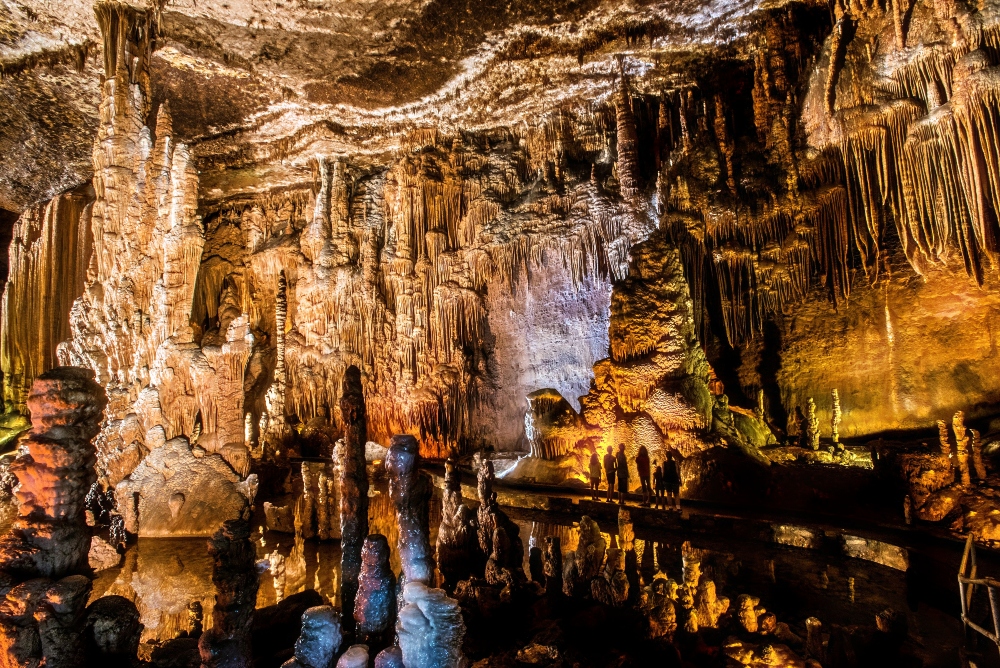


Blanchard Springs Caverns features striking cave formations and has been a popular tourist destination for decades.
Memorandum Kickstarts State Park Designation
Governor Sarah Huckabee Sanders and Arkansas Department of Parks, Heritage and Tourism Secretary Shea Lewis have signed a memorandum of understanding (MOU) with the U.S. Forest Service to begin the formal process of designating the Blanchard Springs Caverns Complex as Arkansas’s newest state park. This initiative will make Blanchard Springs Caverns the 53rd Arkansas State Park, to be named Blanchard Springs State Park, marking the first addition to the state park system in well over a decade. The MOU establishes a joint management model between Arkansas State Parks and the Ozark-St. Francis National Forests, aiming to enhance visitor services, strengthen cultural and environmental protections, and align federal and state resources for staffing and facilities.
Governor Sanders praised the move as a milestone for her administration’s outdoor initiatives. “From the moment we launched the Natural State Initiative, our mission has been clear: protect what makes Arkansas special and build an outdoor economy that supports every corner of our state,” said Governor Sanders. “Blanchard Springs Caverns is a jewel of the Ozarks, and by kickstarting the process to designate it as a state park, we’re preserving its cultural and environmental legacy while creating new opportunities for tourism, jobs, and year-round adventure.” The governor noted that bringing Blanchard Springs into the state park system reflects the goals of the Natural State Initiative, which was launched in January 2023 to promote outdoor recreation, grow Arkansas’s outdoor economy, and position the state as a premier outdoor destination.
First Gentleman Bryan Sanders echoed these sentiments about the value of Arkansas’s natural resources. “Arkansas’ natural beauty is one of our greatest competitive advantages, and places like Blanchard Springs shows why,” said First Gentleman Bryan Sanders. “Designating it as a state park will not only protect this incredible place but also open the door to more adventure, exploration, and the kind of outdoor experiences that support families and local communities. It reflects the spirit of the Natural State, honoring our heritage while fueling the outdoor economy.”
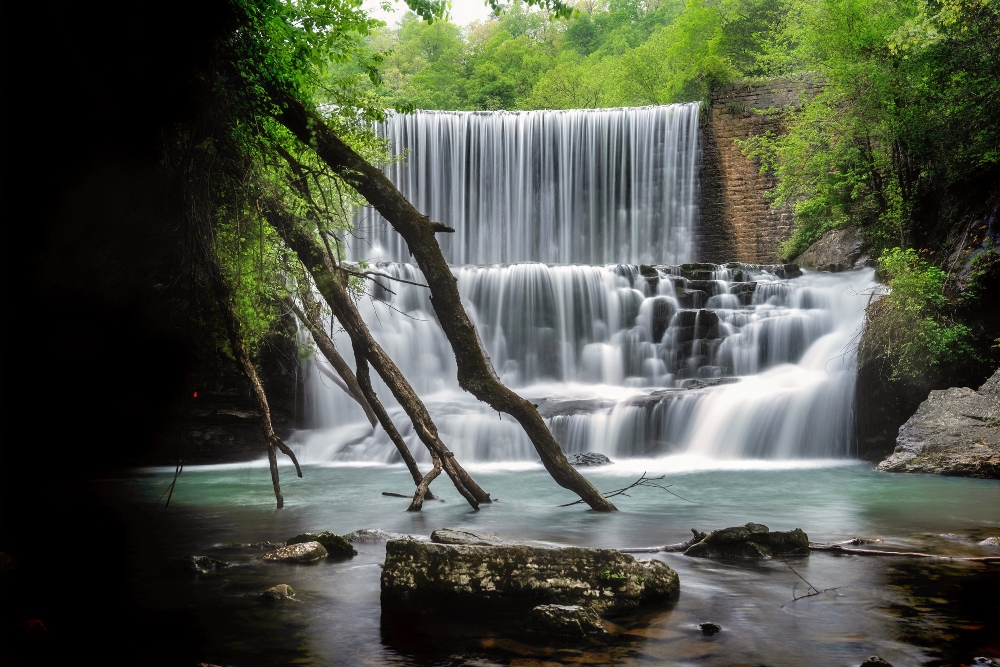
Partnership to Preserve an Ozark Treasure
Secretary Shea Lewis, who leads Arkansas Parks, Heritage and Tourism, highlighted how the agreement with the U.S. Forest Service will elevate one of Arkansas’s top outdoor destinations. “This partnership with the U.S. Forest Service allows us to elevate one of Arkansas’ top tourism destinations. The creation of Blanchard Springs State Park will enrich the experiences across the caverns as well as outdoor recreation like paddling, camping and mountain biking. Its proximity to the Ozark Folk Center will bring more overnight guests and support local communities,” said Secretary Lewis. By working jointly with the Ozark-St. Francis National Forests (which currently manage Blanchard Springs), the state aims to improve visitor experiences while safeguarding the site’s cultural and environmental value. The memorandum lays the groundwork for shared management: Arkansas State Parks personnel will collaborate with National Forest staff to manage visitor centers, tours, and recreational facilities, all while ensuring stricter protections for the cave system and surrounding environment.
Local representatives also applauded the development. State Senator Missy Irvin (District 24), who represents the area including Blanchard Springs, emphasized what this means for Stone County’s economy and heritage. “Blanchard Springs Caverns is not only one of the most magnificent and largest living cave systems in the world, it is also the heart of the Ozarks. Today’s announcement is a monumental action that secures the future of this incredibly valuable asset for Stone County and for the entire state of Arkansas. The local economy is driven by tourism, and the caves are critical for my rural area of the state, and especially for my town of Mountain View.
“This collaboration between the USDA, US Forestry, and the Arkansas Department of Parks, Heritage & Tourism is an incredible opportunity to be the best stewards of the resources God has given us and to drastically increase tourism in the state of Arkansas. I am so grateful to President Trump, Governor Sanders, Secretary Brooke Rollins, and the entire team at both the Department of Parks, Heritage & Tourism and the US Forestry for their commitment and hard work to bring this to fruition,” said Senator Irvin. Her comments underscore that the caverns have long been a cornerstone of tourism in the region, and that a cooperative approach among federal and state agencies will help ensure the site’s preservation and economic potential for generations to come.
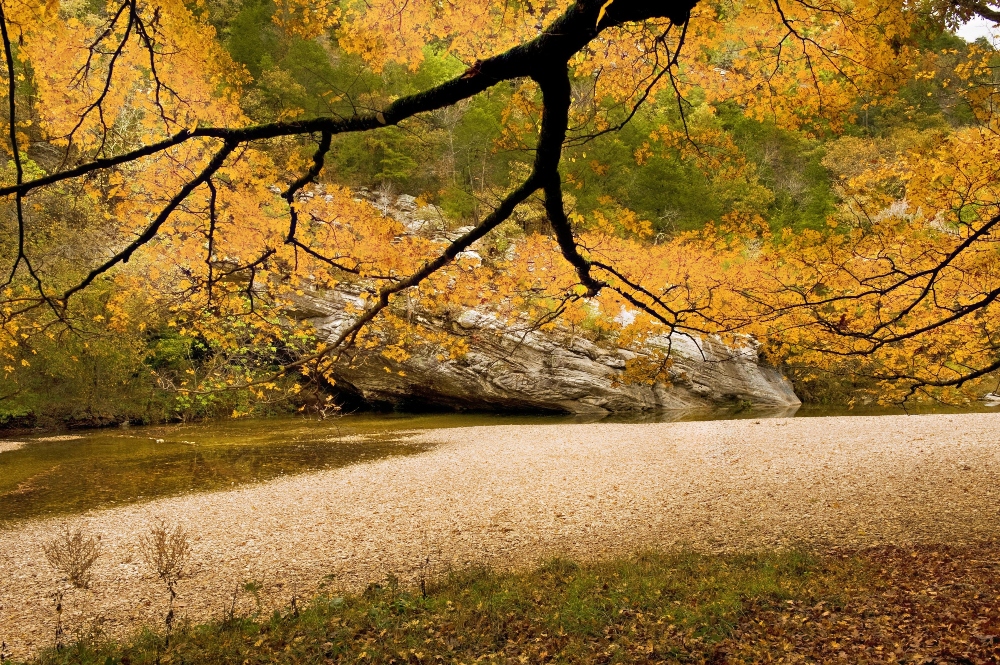
Cave Features and Tours at Blanchard Springs
Blanchard Springs Caverns, located in north-central Arkansas near the small community of Fifty-Six, is often described as a “living” cave system, one of the few federally managed living caverns in the United States. It earns that title from its active growing formations and dynamic underground environment. The caverns lie within the Sylamore District of the Ozark National Forest and include roughly 8.5 miles of mapped underground passages. The site features the only U.S. Forest Service major visitor center in Arkansas, as well as numerous outdoor amenities: a campground, a swim beach, picnic areas, and multiple hiking trails in the surrounding forest.
Since opening to public tours in 1973, Blanchard Springs Caverns has offered visitors spectacular subterranean scenes. Two guided cave tours operate regularly:
- The Dripstone Tour: a half-mile guided walk through highly decorated upper chambers of the cave, full of stalactites, stalagmites, soda-straw formations, and flowstones. Highlights of this route include a natural bridge and the Cathedral Room (more than 1,000 feet long and anchored by a stone column over six stories tall). This trail is designed to be accessible, it’s an easy walk along well-lit pathways and stays a comfortable 58°F year-round.
- The Discovery Trail: a longer and more strenuous tour that ventures 366 feet underground, following the path of the cave’s original discoverers along an underground stream. This 1.2-mile trail (with nearly 700 stairs) winds under the natural entrance of the caverns, past Rimstone Dams, through the dramatic Ghost Room, and along water-carved passages that showcase how the cave was formed over millennia.
For adventurous visitors, seasonal Wild Cave Tours are also offered, allowing people to explore undeveloped sections of the cave with headlamps and helmets (crawling and climbing involved). These wild tours provide a glimpse of the caverns’ depths beyond the built pathways, although they are only available at limited times and under guided supervision to protect the cave’s integrity.
Blanchard Springs Caverns is actually the second-largest cavern system in Arkansas, and it has long been a flagship attraction of the Ozark region. Its subterranean beauty, including one of the nation’s largest flowstone formations, draws visitors from all over. About 70,000 people visit Blanchard Springs Caverns each year, making it a significant driver of tourism in Stone County and the surrounding area. Many visitors come for the caverns and end up enjoying the region’s other attractions as well, given the cave’s proximity to amenities like the Ozark Folk Center State Park (a cultural heritage site in Mountain View) and the natural recreation opportunities in the Ozark National Forest.
Outdoor Recreation Hub and Economic Impact
State officials see Blanchard Springs State Park (future) as a key anchor for outdoor recreation in north-central Arkansas. Rather than competing with existing parks and attractions, the new state park would serve as a hub connecting visitors to the broader region’s outdoor opportunities. The surrounding area is rich with activities: boating and trout fishing in the nearby White River, hiking and mountain biking on National Forest trails, camping and swimming at forest recreation areas, and sightseeing in the Ozark Mountains. By integrating Blanchard Springs Caverns into the Arkansas State Parks system, the state can use unified branding, expanded programming, and coordinated marketing to promote these activities together as a cohesive destination. The idea is to boost year-round visitation not only to the caverns but to the whole region, leveraging the state park’s resources to benefit local businesses and communities.
The Blanchard Springs Recreation Area has long been a jumping off spot for mountain biking, trail running, and hiking adventures on the Syllamo Trails, an International Mountain Bicycle Association Epic Trail system.
This strategy builds on a larger trend of growth in Arkansas’s outdoor economy. In 2023, Arkansas welcomed over 50.7 million visitors, who spent $9.9 billion on travel in the state, supporting more than 100,000 jobs statewide. Stone County, home to Blanchard Springs, saw $74.1 million in visitor spending last year, with over 308,000 visitors coming to enjoy its natural and cultural attractions. A significant portion of those tourists include cavern visitors. By officially making Blanchard Springs a state park, Arkansas aims to increase those numbers even further. The state park designation can bring improvements like upgraded facilities, more consistent funding for operations, and additional promotion through Arkansas State Parks’ marketing channels – all of which can entice more travelers to venture to this corner of the Ozarks. Officials expect that establishing Blanchard Springs State Park will “strengthen that impact, serving as an anchor for regional tourism”, rather than an isolated site.
Importantly, local leaders anticipate that a state park at Blanchard Springs will create new jobs and business opportunities in the area. As First Gentleman Bryan Sanders noted, outdoor recreation supports families and communities, and a high-profile park can spur year-round demand for services like lodging, dining, guiding, and retail in nearby towns (such as Mountain View). Because many of these towns have seasonal economies tied to tourism, expanding cave tourism into all seasons could help smooth out the traditional peaks and valleys of visitor traffic.
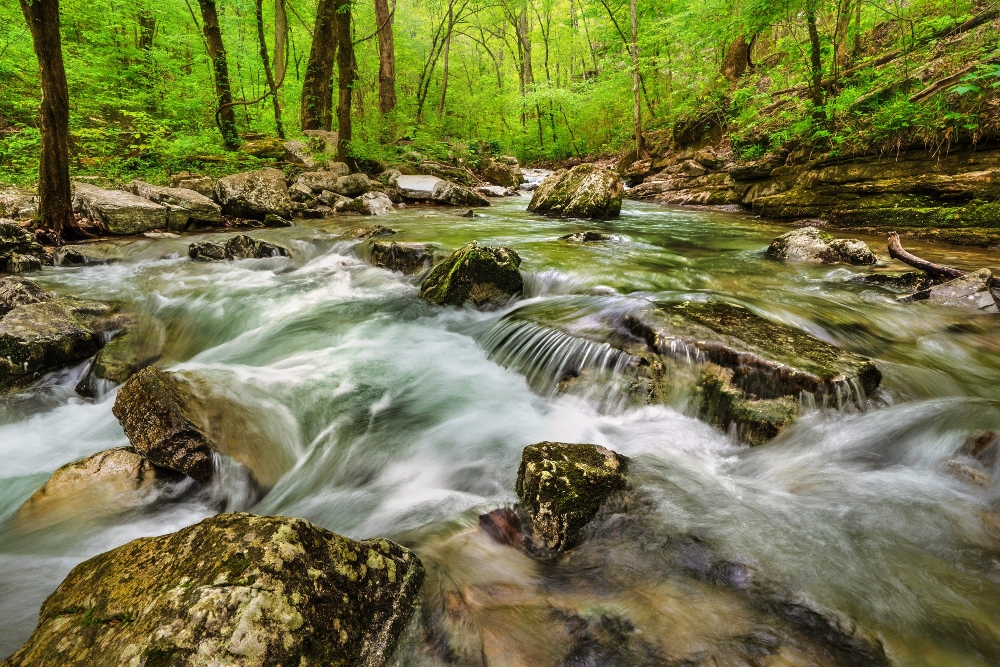
Conservation Measures and Next Steps
Bringing Blanchard Springs Caverns into the state park system is not just about economics, it’s also about long-term conservation. The cave’s interior has remained largely unchanged for over 10,000 years, according to geologists, yet increased visitation in recent decades raises concerns about erosion, habitat disturbance, and unregulated development in and around the cave. Under National Forest management, Blanchard Springs already has certain protections, but state park status would likely introduce even more rigorous safeguards. Arkansas State Parks would implement measures such as managed access (limiting areas where visitors can go without guides), well-defined and maintained trails to prevent damage to sensitive areas, and proactive environmental monitoring. These steps aim to preserve the cavern’s delicate ecosystem, which is home to endangered gray bats, rare cave salamanders, and other unique species found in this complex cave environment, while still allowing the public to enjoy the wonder of the cave in a sustainable way.
Officials emphasize that state park management will help ensure the site’s “fragile ecosystem” is protected. For example, controlling foot traffic and installing boardwalks or barriers in key areas can prevent the wear-and-tear that might otherwise occur with tens of thousands of visitors a year. Educational programs by park interpreters can also raise awareness among visitors about how to respect the cave’s environment (such as not touching formations, which can stop their growth, or avoiding disturbing the bat populations). All these efforts tie back to the philosophy of the Natural State Initiative: linking conservation with economic growth. By investing in conservation-minded infrastructure, the state can both protect what makes Blanchard Springs special and enhance it as a draw for nature tourism.
With the MOU signed, the process of officially creating Blanchard Springs State Park is underway, but there are still several steps to go. Enabling legislation will be required to finalize the designation of the new state park and to outline the partnership’s legal framework. In Arkansas, the establishment of a state park often involves the state legislature’s approval, especially when it comes to funding and land agreements. (In fact, the Arkansas State Parks system itself was born through legislation, Act 276 of 1923, which authorized the state to accept land for parks) More recently, the addition of properties like War Memorial Stadium to the State Parks Division in 2017 also required legislative action. In the case of Blanchard Springs, since the land is federal (within a National Forest), state officials will likely work with federal authorities and state lawmakers to craft an agreement that allows Arkansas to operate the site as a state park.
The precedent for such cooperation exists: Mississippi River State Park, which until now has been Arkansas’s newest state park (and 52nd in the system), is similarly a partnership between Arkansas State Parks and the St. Francis National Forest. That park officially opened in 2009, but it had been authorized by a legislative act decades earlier (in 1973), illustrating how new park designations require both legal approval and long-term planning. Other, more recent agreements with the US Forest Service include Lake Sylvia Recreation Area in 2021, and the Mena Project in Western Arkansas, both in the Ouachita National Forest. Likewise, the full realization of Blanchard Springs State Park will depend on legislative support and funding in the coming months. The Arkansas General Assembly may need to pass legislation to approve the joint management agreement, allocate resources for park operations, and formally incorporate Blanchard Springs into the state park system. Once those steps are completed, Arkansans could see the Blanchard Springs State Park officially established, potentially the first new Arkansas state park in 16 years, heralding a new era for one of the state’s most spectacular natural wonders.
Answers to other questions including the scope of the MOU, funding sources for running this new park, and other updates were not available as of press time.

Photos courtesy of the Arkansas Department of Parks, Heritage and Tourism.
This article was originally published on ArkansasOutside.com, your trusted source for outdoor news and updates in The Natural State. Unless otherwise credited, all photos included in this piece are the property of Arkansas Outside, LLC. We take pride in sharing the beauty and adventures of Arkansas through our lens—thank you for supporting our work!
