

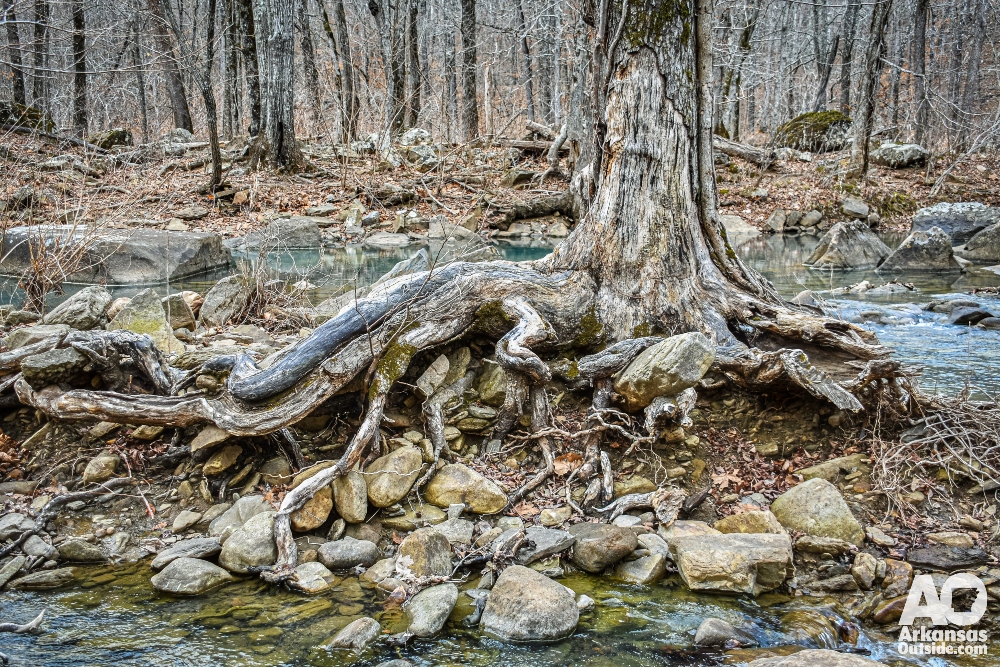


Since U.S. Forest Service land is home to some of the fantastic outdoor recreation in Arkansas, we felt we would try to keep you informed on what recently announced changes could mean to National Forest management in Arkansas.
A major restructuring of the U.S. Forest Service is underway, and it could directly impact how Arkansas national forests are managed. The U.S. Department of Agriculture plans to move Forest Service headquarters from Washington, D.C., to Salt Lake City while reorganizing how the agency operates across the country.
For Arkansas, this raises an important question. What does the Forest Service move mean for the Ouachita National Forest and Ozark-St. Francis National Forests?
Why the Forest Service Is Moving to Utah
The headquarters relocation is part of a broader federal effort to focus on active forest management and wildfire mitigation. Most U.S. Forest Service land is located in the western United States, where wildfire risk and drought are major concerns.
By moving leadership closer to those landscapes, federal officials say the agency can respond faster and manage forests more efficiently.
At the same time, the restructuring includes changes to leadership structure, research programs, and staffing that could affect national forests in every region, including Arkansas.
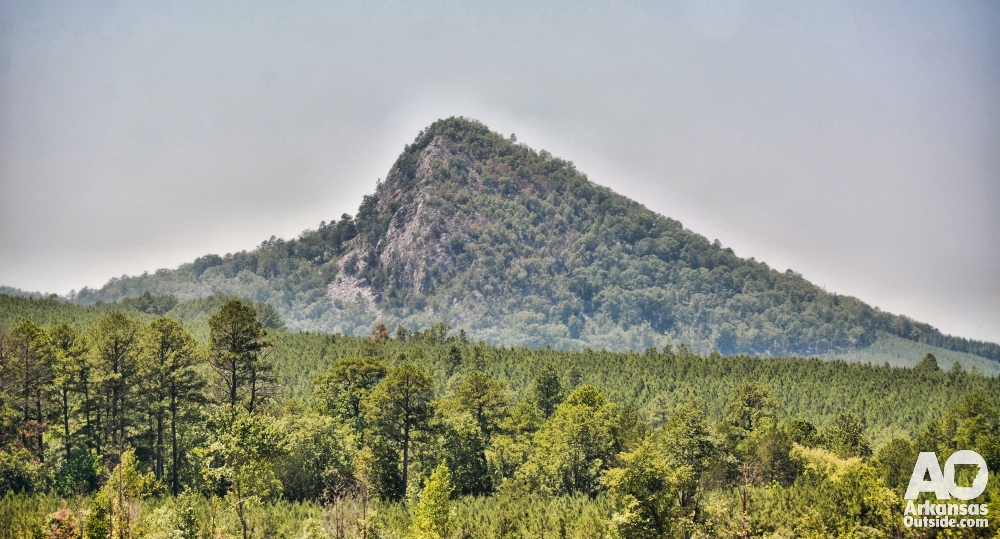
How National Policy Could Shape Arkansas Forests
Arkansas national forests operate locally, but they are heavily influenced by national policy decisions.
The Ouachita National Forest and Ozark-St. Francis National Forests could see changes in:
- Federal funding for recreation and infrastructure
- Staffing levels and expertise in local ranger districts
- Priority projects such as trail development or forest thinning
- Long-term forest management strategies
Because the new leadership will be based in Utah, there is concern that policy decisions may be shaped more by western wildfire conditions than by the needs of southern forests.
Arkansas forests face different challenges, including invasive species, storm damage, and seasonal fire risk, which require region-specific management.
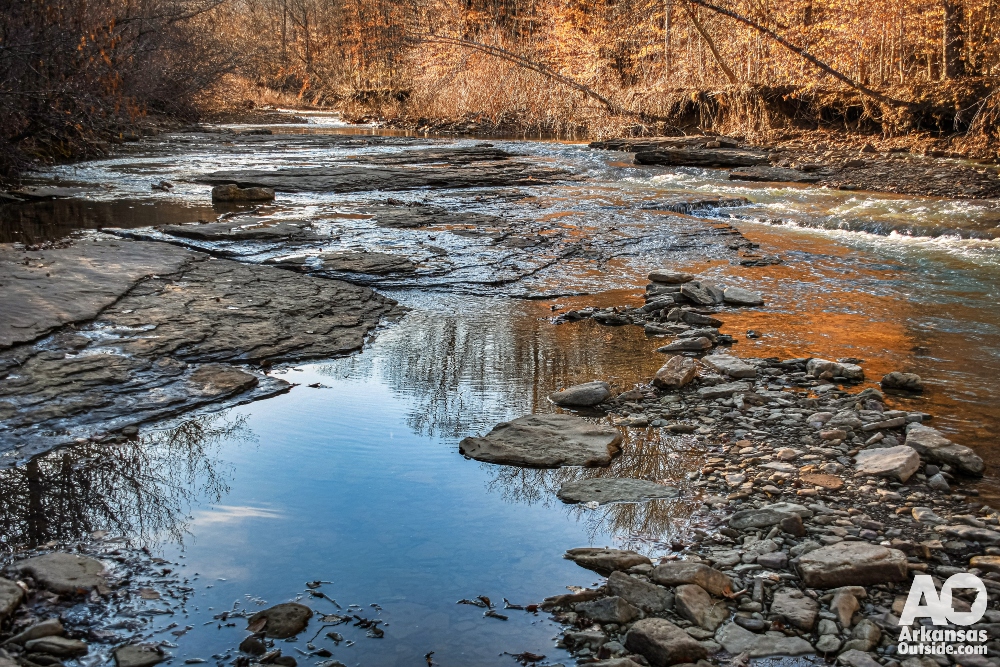
What This Means for Outdoor Recreation in Arkansas
Outdoor recreation in Arkansas national forests includes hiking, mountain biking, gravel cycling, camping, and paddling access.
Changes in Forest Service policy could influence how these activities are supported in the future.
Increased Forest Management Activity
More prescribed burns and timber thinning projects are likely as part of a national focus on wildfire prevention. These efforts can improve long-term forest health but may temporarily affect trail access.
Potential Shift in Funding Priorities
Funding may be directed toward fire mitigation and infrastructure instead of recreation development. This could slow the expansion of trails, signage, and amenities.
Changes in Staffing and Expertise
Restructuring could lead to staff turnover or reassignment, which may impact local knowledge and project continuity in Arkansas forests.
More State-Level Decision Making
A shift toward state-based leadership could give Arkansas officials more influence, but the extent of that impact is still unclear.
Pros and Cons for Arkansas Outdoor Users
Potential Benefits
Healthier Forests for Recreation
Increased prescribed fire and vegetation management can improve trail conditions and reduce long-term risks.
Improved Access and Roads
Operational investments may benefit forest roads, trailheads, and access points used by recreationists.
Stronger Local Input
A state-focused leadership model could allow more regional input into management decisions.
Potential Drawbacks
Temporary Trail Closures
More active management could mean periodic closures for safety during burns or logging operations.
Reduced Recreation Investment
Trail building and maintenance projects may receive less funding compared to fire management priorities.
Policy Mismatch
National strategies designed for western forests may not align with Arkansas ecosystems.
Loss of Local Expertise
Staff turnover could impact how effectively forests are managed on the ground.
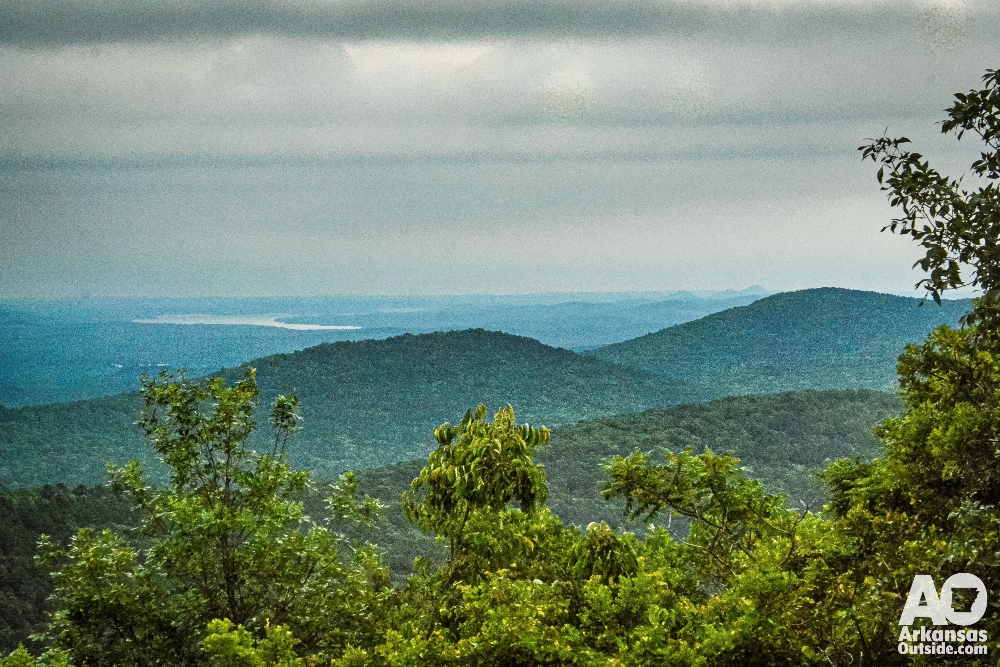
What Stays the Same for Now
Visitors to Arkansas national forests should not expect immediate changes.
Local ranger districts will continue managing trails, campgrounds, and recreation areas. Partnerships with local organizations and volunteer groups will remain essential for maintaining access and improving outdoor opportunities.
The Bottom Line for Arkansas National Forests
The Forest Service move to Utah is more than a relocation. It signals a shift in how federal land management priorities may be set in the future.
For the Ouachita National Forest and Ozark-St. Francis National Forests, the long-term impact will depend on how national policies translate to local conditions.

For Arkansas outdoor recreation, this is a story worth watching.
This article was originally published on ArkansasOutside.com, your trusted source for outdoor news and updates in The Natural State. Unless otherwise credited, all photos included in this piece are the property of Arkansas Outside, LLC. We take pride in sharing the beauty and adventures of Arkansas through our lens—thank you for supporting our work!

2 Responses
Thank you for writing this article. Regarding the potential benefits, and potential drawbacks, as you have outlined them, I think the benefits outweigh the drawbacks. I support greater emphasis on measures that will reduce wildfires and their associated losses.
Thanks for the update!