

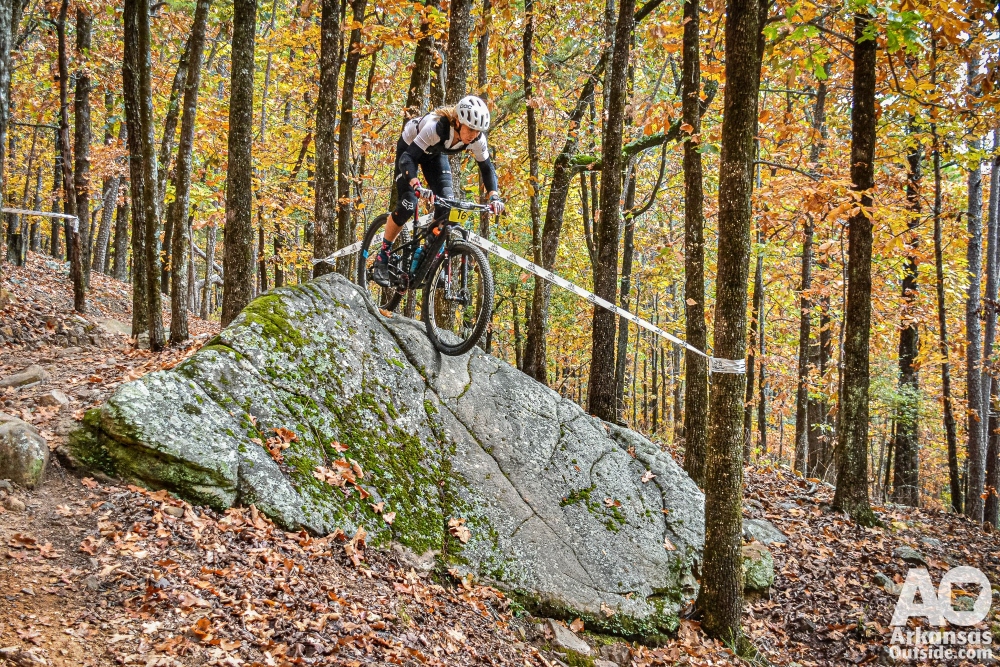


Arkansas has earned a reputation as a premier mountain biking destination. The Natural State boasts five IMBA Epic trails (more than any other state) and three cities with coveted IMBA Ride Center status. Now, a major national announcement could further elevate Arkansas’s trail communities. The International Mountain Bicycling Association (IMBA) this week unveiled a new “IMBA Trail Town” designation and a relaunch of its Ride Center™ program – a move aimed at recognizing and cultivating great places to live, work, visit, and ride.
Trail Town: A New Honor for Trail-Loving Communities
In a press release from IMBA’s headquarters in Boulder, Colorado, the organization introduced IMBA Trail Towns as more than just hotspots for riding. An IMBA Trail Town is “more than just a great riding spot, it’s a place where world-class trails are seamlessly woven into the fabric of community life.” In other words, this new designation celebrates communities that don’t just have trails nearby, but truly live and breathe trails in their daily culture.
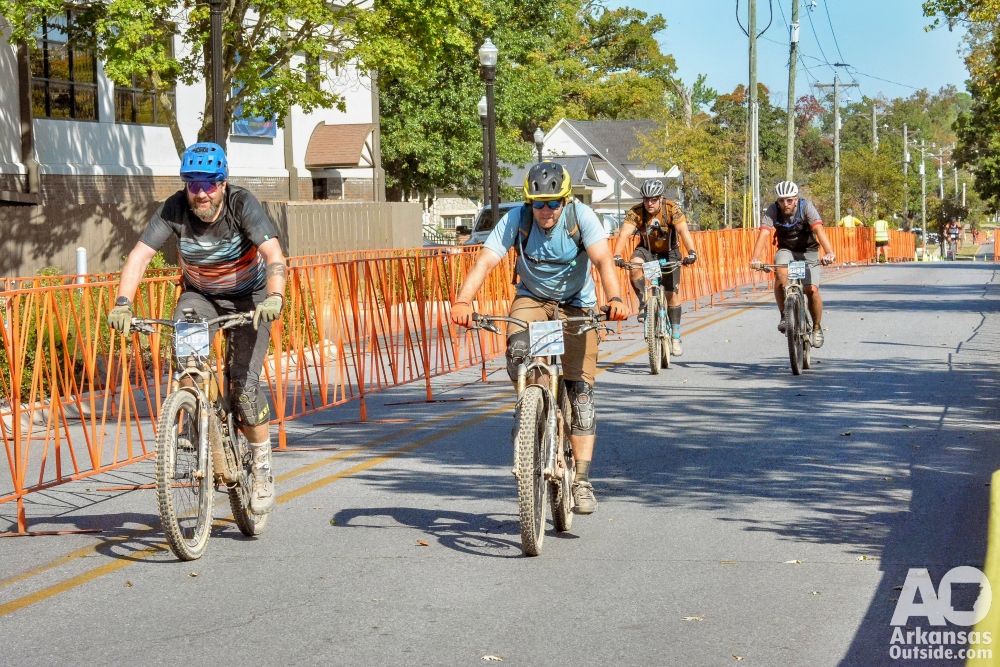
To earn Trail Town status, a community must demonstrate a thriving trail culture. This means having well-maintained and easily accessible trails, offering opportunities for riders of all backgrounds and skill levels, and sustaining the trail system with reliable funding and strong local leadership. It’s both an honor and a commitment – a mark of distinction signifying that the town is dedicated to enhancing quality of life and boosting visitation through top-notch recreational infrastructure. IMBA envisions Trail Towns as destinations where trails fuel the local economy and pride, making these towns even better places to call home or plan a biking trip.
While IMBA has not yet announced any official Trail Town designees, the criteria provide a roadmap. Even smaller towns that might not have hundreds of miles of trail can strive for this recognition by fostering a deep integration of trails into community life. For Arkansas, which already has plenty of cycling passion, this could open the door for more locales to shine on the national stage. Imagine places like Eureka Springs (with its growing network at Lake Leatherwood and Passion Play) or Mountain View (home to the Syllamo trails) positioning themselves as future IMBA Trail Towns. Communities across the state that have invested in trails – even if they aren’t as large as Bentonville or Hot Springs, now have a chance to gain national recognition for their efforts.
Ride Centers Relaunched with New Criteria
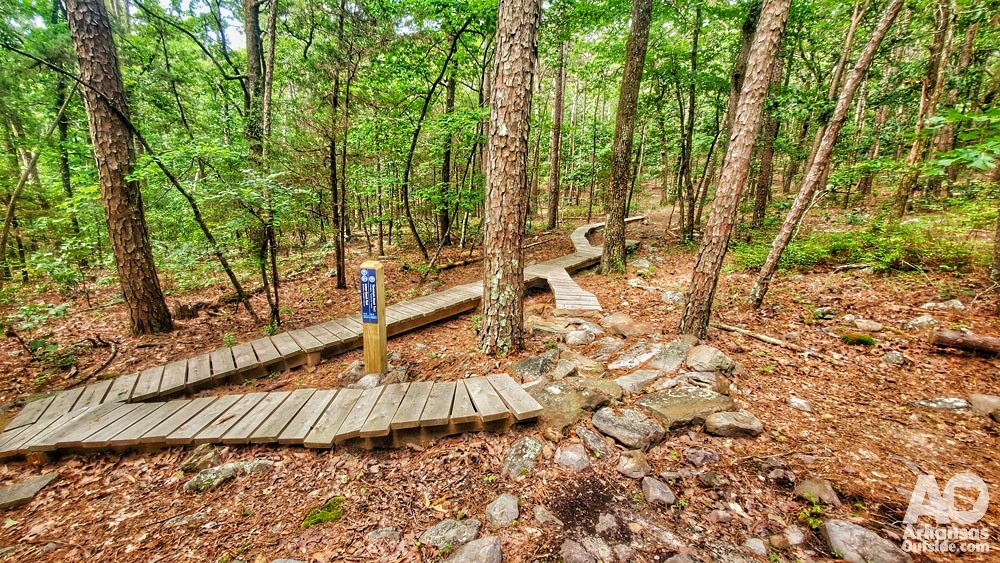
Alongside Trail Towns, IMBA is revamping its Ride Center™ program, the very program that put Bentonville, Fayetteville, and Hot Springs on the map as IMBA Ride Centers in the past. The updated Ride Center criteria place special emphasis on a destination’s ability to provide a variety of trail experiences. It’s not just about mileage anymore; it’s about diversity and excellence in different riding categories. IMBA will now award Ride Center “Badges” to showcase a location’s standout trail offerings in four categories: Frontcountry (accessible trails close to town), Backcountry (remote, adventure rides), Gravity (downhill and freeride trails), and Bike Park (features like skills parks and jump lines).
Under the new system, there will be two tiers of Ride Center recognition:
- IMBA Ride Center: At least 60+ miles of high-quality trails, plus a minimum of three out of the four badge categories earned.
- IMBA Premier Ride Center: At least 100+ miles of high-quality trails, and all four badge categories earned (the full set of Frontcountry, Backcountry, Gravity, and Bike Park badges).
IMBA is also encouraging inclusivity and modern trends in trail systems. Ride Center applications can highlight what percentage of trails are open to Class 1 e-bikes, and note any trails designed for adaptive use (to accommodate riders with disabilities). This reflects the growing importance of e-mountain biking and adaptive cycling in today’s trail communities, ensuring that Ride Centers serve a broad range of riders.
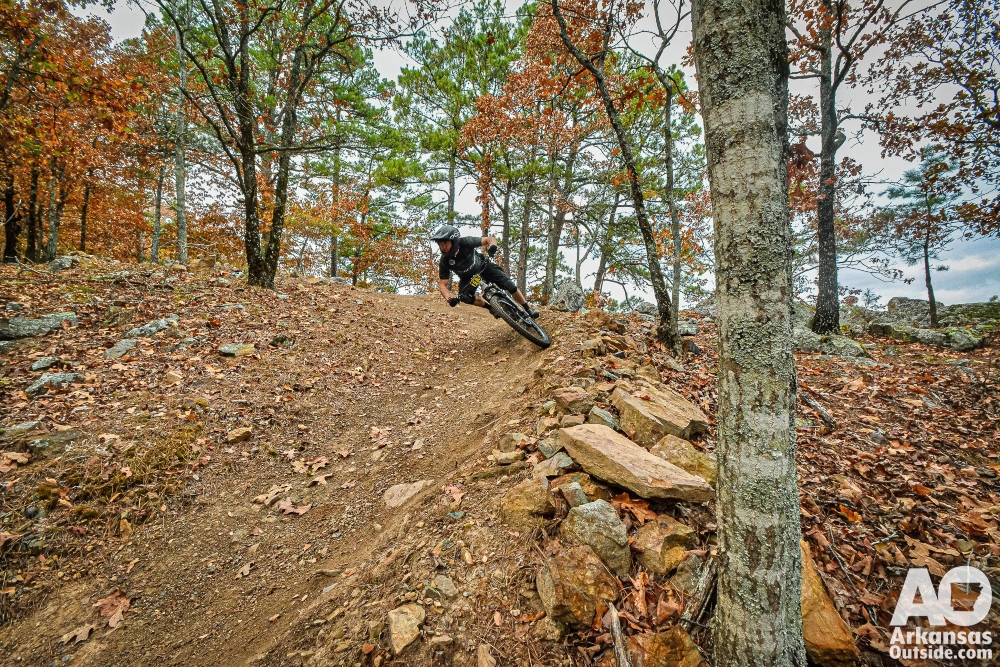
The application process for the Ride Center designation has been refreshed as well. Communities can apply year-round rather than waiting for a specific cycle, and each designation will last for five years. After five years, a Ride Center must reapply, a built-in incentive for destinations to keep improving and expanding their trail networks. The evaluation involves a rigorous review: first a self-assessment and detailed trail inventory by the community, followed by an on-site professional assessment by IMBA staff. By periodically re-evaluating, IMBA ensures that Ride Centers are not resting on their laurels but are maintaining their trails and evolving with the sport’s latest standards and rider expectations.
Beyond the prestige of earning a bronze, silver, or gold (now effectively “Premier”) Ride Center label, IMBA points out that the process itself is valuable for communities. Going through the application pushes local stakeholders – city officials, tourism promoters, trail user groups, land managers – to work together toward common goals. It can reveal gaps in a trail system (maybe a missing beginner loop or a need for more signage) and identify opportunities for new trails or facilities. In many ways, trying to become a Ride Center or Trail Town gives communities a blueprint for how to improve outdoor recreation locally. Whether a town’s goal is to boost residents’ quality of life or to attract tourism (or both), focusing on building quality, variety, and progression in their trail offerings will lead to an excellent place to ride.
Arkansas’s Track Record and What Could Be Next
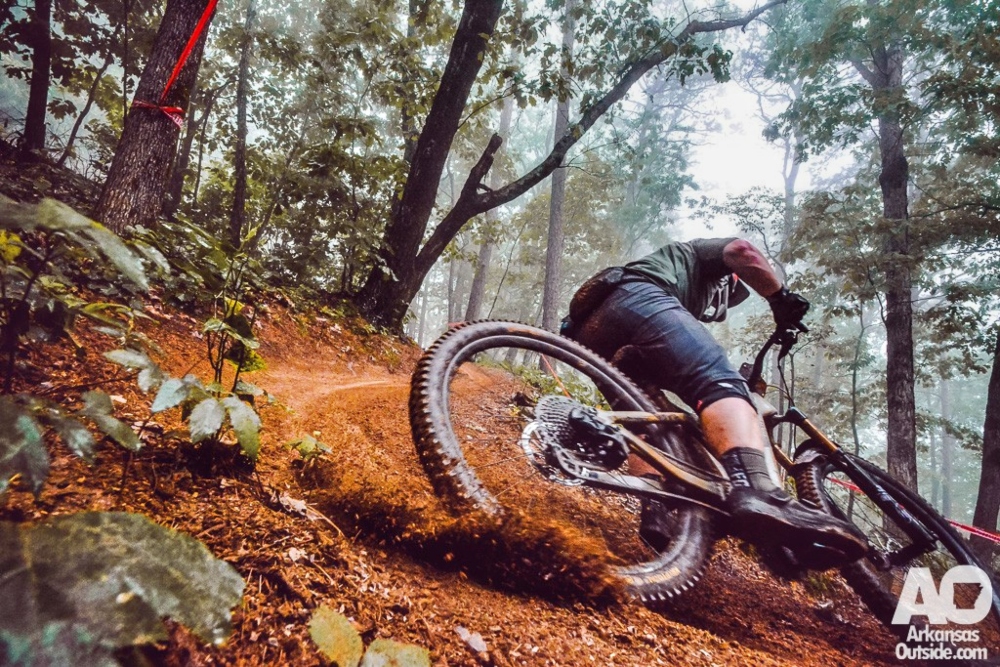
For Arkansas, this news is particularly exciting. The state has already been a big winner in IMBA’s “Model Trails” recognitions over the past decade. Bentonville was designated an IMBA Silver-Level Ride Center, Fayetteville earned Bronze, and Hot Springs earned Bronze (Hot Springs received its Ride Center designation in 2015). In fact, the concentration of trails in Northwest Arkansas was so strong that in 2015 IMBA declared the region the first-ever Regional Ride Center, linking the Bentonville and Fayetteville areas into one powerhouse destination. Add to that the state’s five Epic trails (like the Womble and Upper Buffalo), and it’s clear Arkansas has been punching above its weight on the national mountain biking scene.
These designations have brought tangible benefits to their communities, from increased tourism spending to national attention. Bentonville, for example, has transformed into a cycling mecca, with the Silver-level Ride Center status validating its extensive Slaughter Pen trail system and beyond. Hot Springs leveraged its Bronze Ride Center status and later built the Northwoods Trail system, bolstering its reputation as a mountain biking hub in the Ouachitas. Fayetteville’s Bronze status, combined with nearby trails like Mount Kessler and others, helped solidify Northwest Arkansas as a bucket-list destination for riders. When IMBA held its world summit in Bentonville in 2016, it was a recognition of just how far Arkansas had come.
With IMBA’s program expansion, Arkansas’s future looks even brighter. Established Ride Centers here might set their sights on the new Premier Ride Center level. Could Bentonville or Northwest Arkansas assemble 100+ miles and all four badge types to go for the top tier? It’s not hard to imagine, given the rapid trail development funded by local philanthropies and towns. Likewise, communities that previously were just outside of Ride Center status might now have a clearer path. Back in 2017, Arkansas Outside speculated whether the capital city area (Little Rock/North Little Rock) could be a candidate for Ride Center status someday. With continued trail building, such as the growing Camp Robinson network and River Trails, central Arkansas could indeed become recognized if stakeholders rally around the goal.
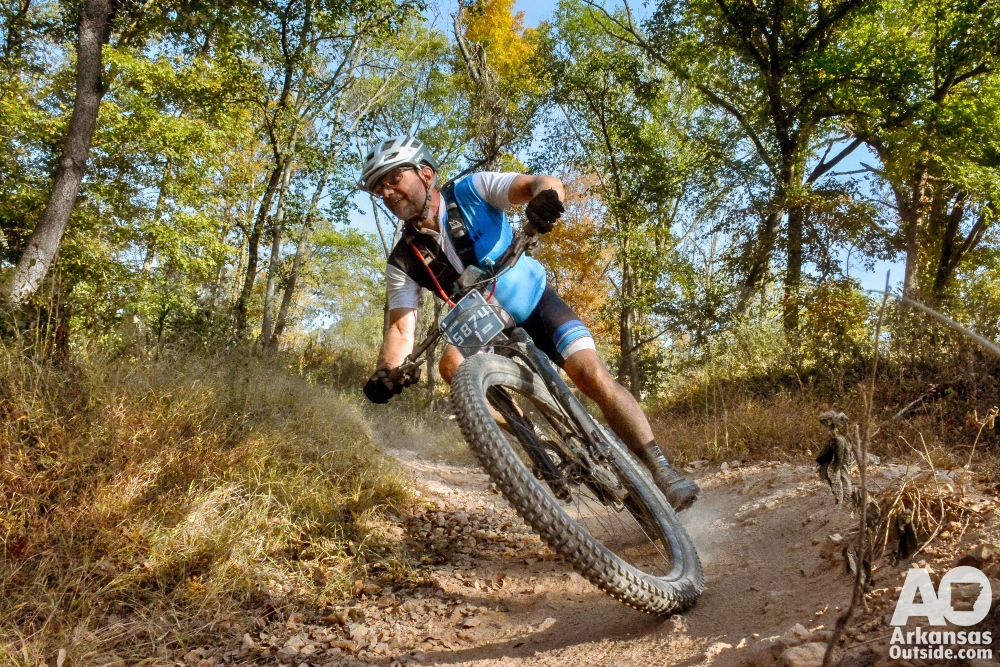
Perhaps most encouraging, the brand-new Trail Town designation provides a chance for smaller towns and rural communities in Arkansas to shine. Towns like Mountain View, Bella Vista, Eureka Springs, or Russellville (near Mount Nebo’s trails) have been cultivating trail systems and outdoor tourism. They may not yet have the dozens of miles needed for Ride Center ranking, but they absolutely foster a trail-centric lifestyle that IMBA now seeks to celebrate. Don’t be surprised if in the coming years a few Arkansas towns proudly hang “IMBA Trail Town” banners at their city limits, signifying to visitors that trails are integral to who they are.

Overall, IMBA’s expanded community recognition program is big news nationally, it shows a continued evolution in how mountain biking assets are valued. For Arkansas, it feels almost personal. The state’s riders, trail builders, and advocates have worked hard to earn a place on those IMBA lists, and our communities have seen the payoff. Now there are new goals to chase and new honors within reach. Whether it’s an upgrade of an existing Ride Center, or the first Trail Town in Arkansas, these programs offer both inspiration and a framework. As IMBA put it, it’s about “great places to live, work, and ride.” Here in Arkansas, we’re fortunate to have a head start on that mission – and we’ll be watching closely to see which of our hometowns rise to the next challenge.
This article was originally published on ArkansasOutside.com, your trusted source for outdoor news and updates in The Natural State. Unless otherwise credited, all photos included in this piece are the property of Arkansas Outside, LLC. We take pride in sharing the beauty and adventures of Arkansas through our lens—thank you for supporting our work!

One Response
Where can I find a list of all the mountain bike trailers open to the public?