
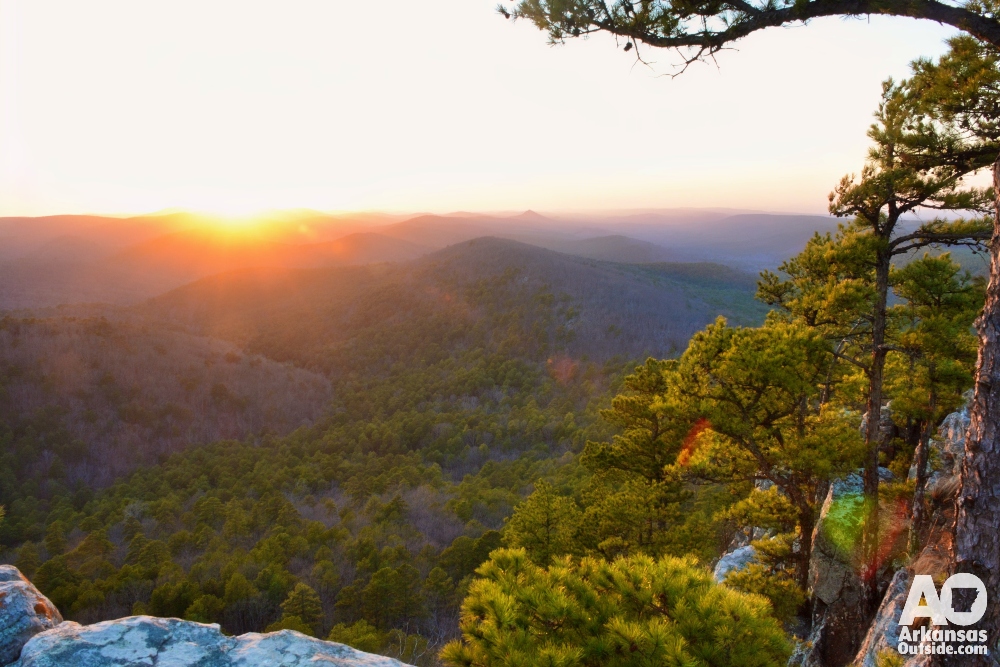

If you hike the Ouachita National Recreation Trail, paddle the Buffalo National River, or camp in the Ozark-St. Francis National Forests, federal land policy affects your outdoor experience. A major shift in that policy is now underway.
On April 3, 2026, the U.S. Department of Agriculture finalized a comprehensive revision of its National Environmental Policy Act regulations, commonly referred to as NEPA. The change could affect how quickly projects move forward on nearly three million acres of national forest land in Arkansas. That includes trail systems, campgrounds, roads, waterways, wildlife habitat, and timber projects across some of the state’s most important outdoor destinations.
What Is NEPA?
NEPA stands for the National Environmental Policy Act. Signed into law in 1970, it requires federal agencies to evaluate environmental impacts before approving major actions.
The law does not automatically stop projects. Instead, it requires agencies to:
- Study potential impacts to land, water, wildlife, and nearby communities
- Consider alternatives
- Share findings with the public
- Allow public feedback in many cases
For decades, NEPA has shaped decisions involving:
- Logging projects
- Mining proposals
- Pipeline routes
- Road construction
- Campground upgrades
- Trail development
- Prescribed burns
- Watershed restoration on federal lands in Arkansas
What Changed in 2026?
The USDA replaced several separate NEPA rule systems with one department-wide framework. Officials say the goal is to simplify the process, reduce paperwork, and shorten review timelines.
Supporters argue that faster reviews can help move overdue maintenance and forest management projects forward. Critics say faster timelines may reduce public input and environmental scrutiny.
Why This Matters in Arkansas
Arkansas has extensive federal public lands that rely on federal staffing, planning, science, and environmental review.
Ouachita National Forest
Nearly 1.8 million acres across western Arkansas with hiking, mountain biking, paddling access, scenic drives, campgrounds, and wilderness.
Ozark-St. Francis National Forests
More than 1.2 million acres featuring trails, climbing, dispersed camping, floating streams, and popular recreation corridors.
Buffalo National River
A premier paddling and hiking destination whose watershed is influenced by surrounding land management.

How This Connects to Recent Forest Service Changes
Earlier Arkansas Outside reporting highlighted two major developments: a proposed restructuring of the U.S. Forest Service and planned closures or consolidation of research stations tied to forest science in Arkansas.
Those changes could directly shape how the NEPA overhaul works on the ground.
- Faster Reviews Require Staff Capacity
A streamlined NEPA process only works if agencies have enough planners, biologists, engineers, hydrologists, and field staff to complete reviews quickly and accurately.
If Arkansas forests lose staffing or regional support through restructuring, approvals could still slow down despite new rules. In practice, fewer employees can create bottlenecks.
- Less Local Science Could Mean Weaker Decisions
Arkansas Outside previously reported concerns over research station closures, including impacts to forestry science, wildfire studies, timber management, wildlife habitat, and forest health.
If local or regional research capacity declines, future NEPA reviews may rely on older data, broader national models, or fewer Arkansas-specific studies. That can matter when evaluating:
-
-
-
- Stream health
- Invasive species
- Oak and pine regeneration
- Prescribed fire outcomes
- Wildlife migration and habitat
- Recreation impacts from timber harvest or road building
-
-
- More Pressure on Existing Forest Managers
If national headquarters functions move and regional offices are consolidated, supervisors and ranger districts in Arkansas may carry more responsibility locally.
That could affect how quickly projects such as trail reroutes, campground repairs, road reopenings, and hazard tree removal move through the system.
- Fire and Storm Response Could Become More Important
Arkansas forests regularly deal with tornado damage, ice storms, flooding, drought, and wildfire risk. If NEPA is faster but staffing is thinner, agencies may prioritize emergency work over recreation upgrades.
That could mean:
-
-
- Faster hazardous fuel reduction
- Faster storm cleanup
- Slower new trail projects
- Delayed campground modernization
- Deferred recreation planning
-
Potential Benefits for Outdoor Recreation
Faster Trail Repairs and Access Improvements
Bridge replacements, washed-out roads, trail damage, and campground repairs could move faster under a simplified process.
Quicker Forest Health Projects
Prescribed burning and thinning can improve habitat, reduce wildfire risk, and keep forests healthier for recreation.
Less Delay for Basic Infrastructure
Boat ramps, parking lots, vault toilets, trailheads, and signage projects may face fewer procedural delays.
Potential Concerns for Arkansas Public Lands
Less Public Input
Shorter timelines may reduce opportunities for hikers, paddlers, cyclists, hunters, anglers, and nearby communities to comment.
More Conflict Between Uses
Federal lands serve multiple purposes. Recreation can compete with timber harvest, mineral development, utility corridors, and road building.
Water Quality Risks
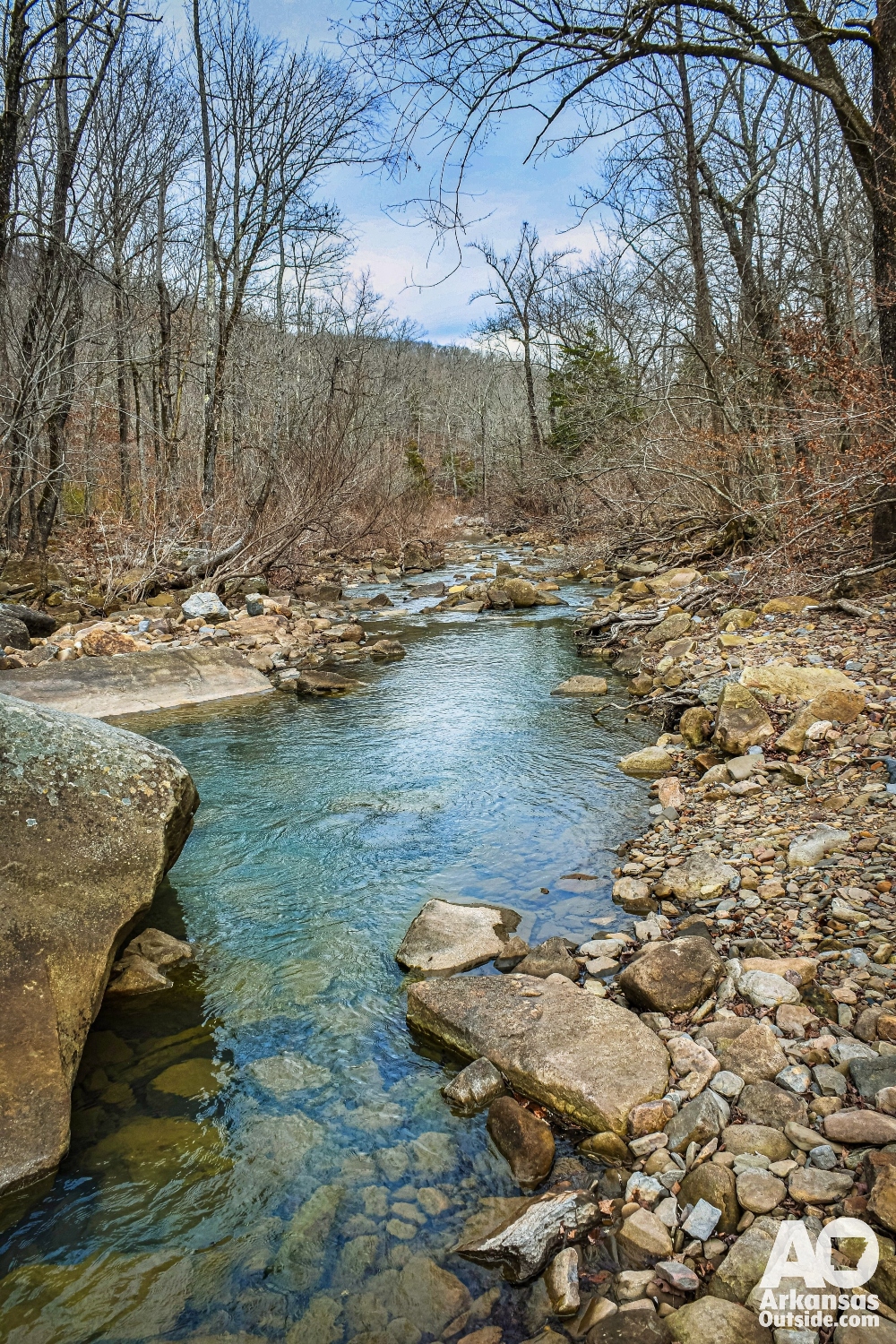
Land management upstream can affect rivers and streams used for paddling and fishing, including:
- Buffalo National River
- Mulberry River
- Cossatot River
What Arkansas Outdoor Users Should Watch
If you care about trails, rivers, forests, and access, watch upcoming proposals involving:
- Ouachita National Forest
- Ozark-St. Francis National Forests
- Buffalo National River
Pay attention not only to NEPA rule changes, but also staffing levels, office consolidations, and whether Arkansas-based science capacity remains strong.
Bottom Line
The NEPA overhaul may speed up needed work on Arkansas public lands. But rule changes alone do not determine outcomes. Staffing cuts, office moves, and research station closures could be just as important.
For Arkansas outdoor recreation, the real question is not simply whether reviews are faster. It is whether forests still have the people, science, and local knowledge needed to make good decisions quickly.