
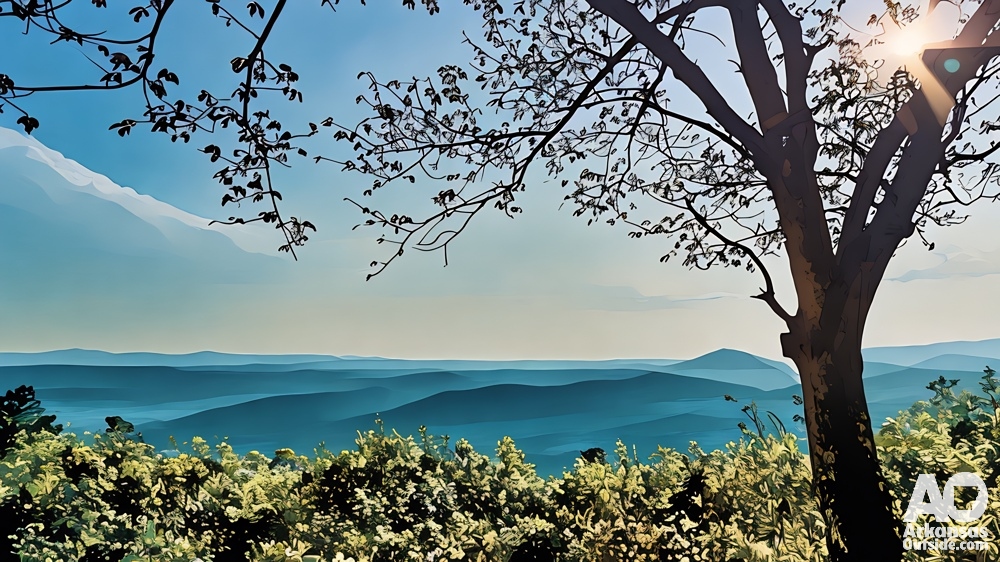

Arkansas’ national forests could soon feel the effects of major federal policy changes aimed at speeding up logging, roadbuilding and land management projects across the country.
Recent actions from Washington have focused on reducing environmental review requirements, increasing timber production and streamlining project approvals on public lands. While these moves are national in scope, they could have direct consequences for the Ouachita National Forest and the Ozark-St. Francis National Forests, two landscapes that play a major role in Arkansas outdoor recreation.
For hikers, mountain bikers, paddlers, campers and rural communities that depend on forest tourism, the stakes are high.
Why Arkansas National Forests Matter
Arkansas is home to more than 3 million acres of national forest land. These public lands include:
- Hundreds of miles of hiking trails
- Popular mountain biking routes
- Scenic gravel roads
- Campgrounds and swimming areas
- Wildlife habitat
- Rivers and streams used for paddling and fishing
The Ouachita National Forest is known for destinations like the Womble Trail, Lake Ouachita Vista Trail, and Little Missouri Trail.
The Ozark-St. Francis National Forests include places such as the Sylamore Trail, Richland Creek, Blanchard Springs, and many remote roads popular with cyclists and overlanders.
Tourism tied to these forests supports outfitters, guides, restaurants, lodging businesses and gateway communities.
A Current Arkansas Example, Crystal Mining Proposal in Sensitive Watersheds
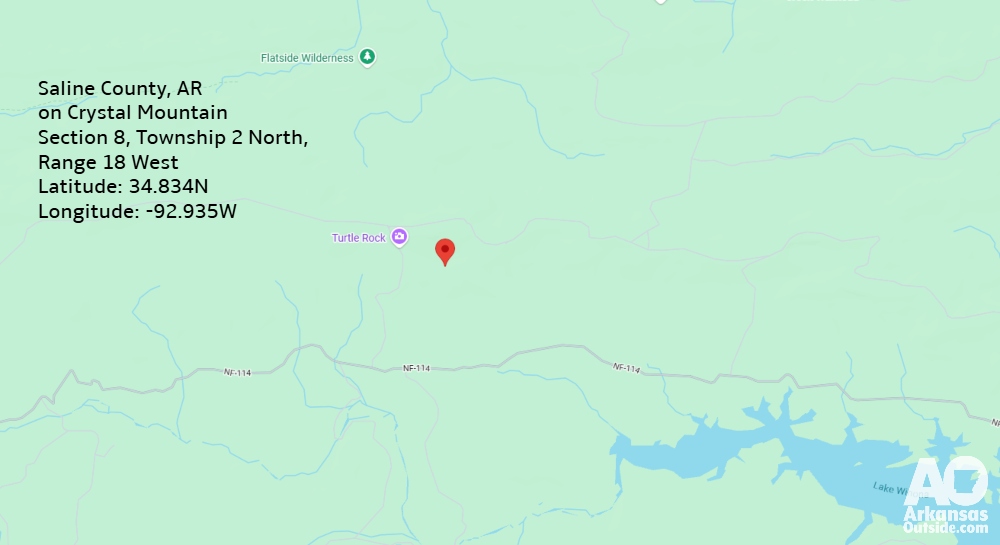
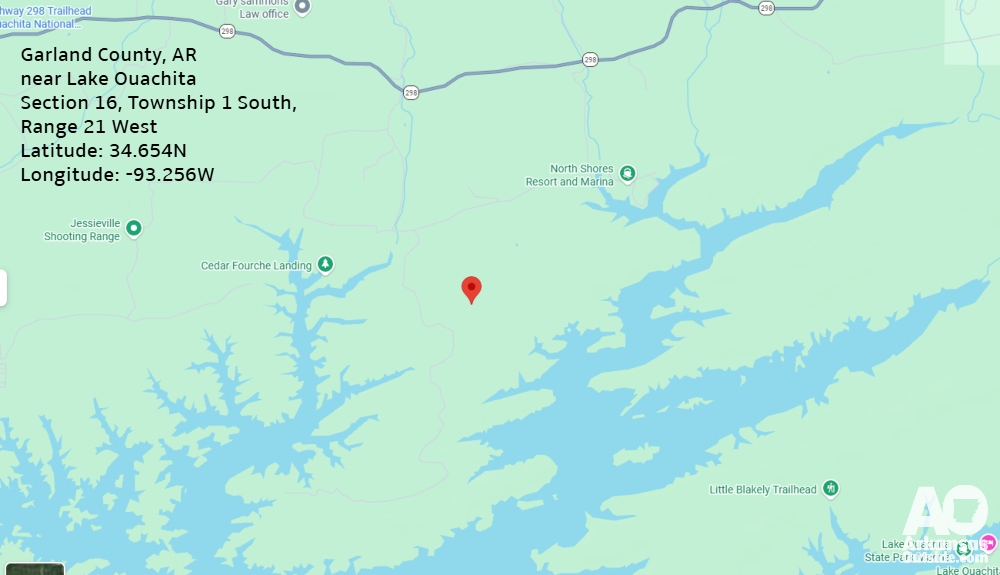
A timely example of how federal land management decisions affect Arkansas recreation and water resources is Project #63480, the Jessieville, Winona, Fourche Mining Nominations proposal in the Ouachita National Forest.
The Saline River Watershed Alliance says the U.S. Forest Service has released a Draft Environmental Assessment for public comment through April 30, 2026, covering eight tracts proposed for crystal mining permits.
According to the group, nominated tracts are located in or near critical watersheds tied to:
- Lake Ouachita
- Lake Winona
- Alum Fork of the Saline River
- Upper North Fork of the Saline River
SRWA submitted comments urging the Forest Service to choose the No Action alternative.
Maps of approximate locations:
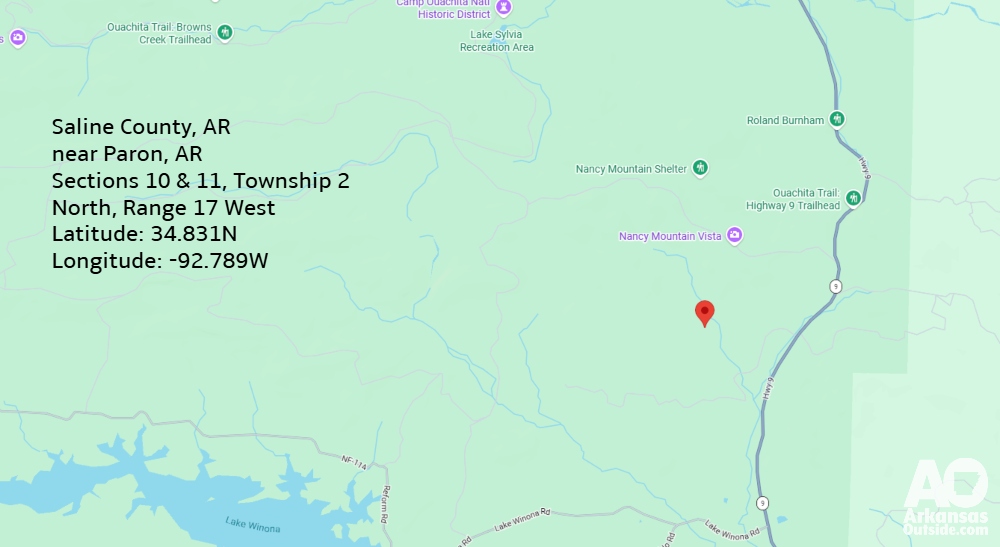
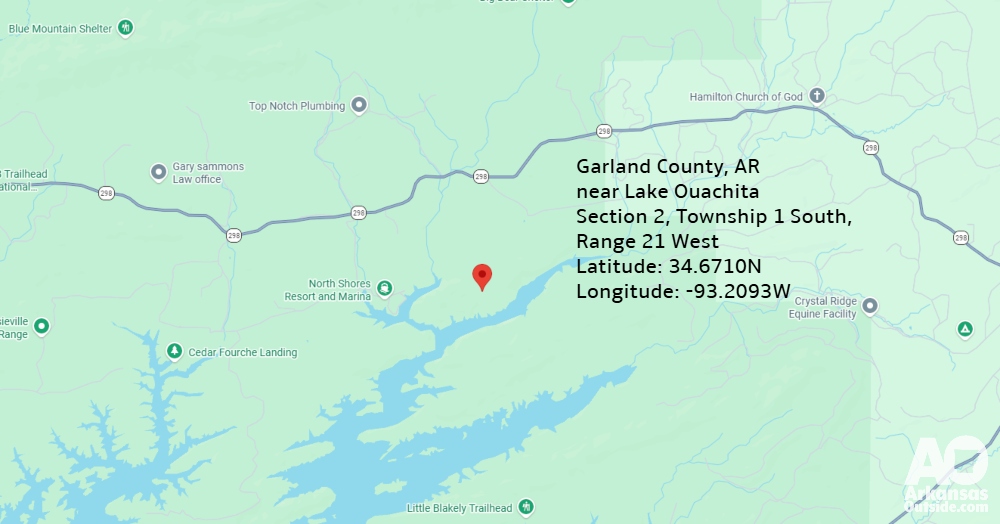
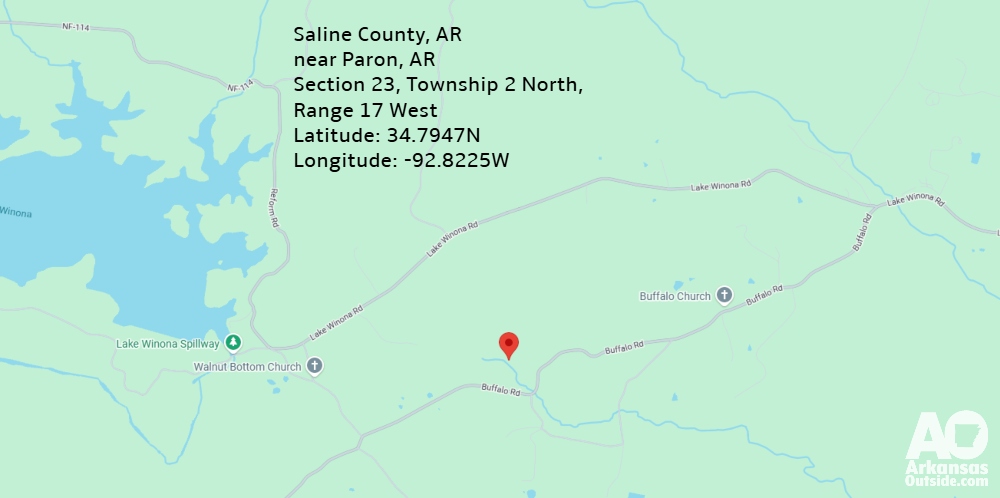
Their concerns include:
- Sediment runoff from excavation, spoil piles and haul roads
- Impacts to steep headwater streams during storm events
- Harm to fish and freshwater mussel habitat
- Effects on Extraordinary Resource Waters in the Saline basin
- Cumulative impacts when combined with roads, recreation and other disturbances
The organization argues that damage in upper basin headwaters can create downstream impacts far beyond an individual mining tract.
Why This Matters Beyond One Project
This proposal highlights the broader challenge facing Arkansas public lands.
Many people support responsible access to minerals, timber and forest resources. At the same time, Arkansas rivers, trails and backcountry areas are major recreation assets and economic drivers.
When environmental reviews are shortened or approvals accelerated, projects in sensitive places can move faster than the public realizes.
That can affect:
- Water quality for paddlers and communities
- Trail experiences and scenery
- Wildlife habitat
- Fishing and aquatic ecosystems
- Tourism in gateway towns
What Is Changing Nationally
Federal leaders have proposed and implemented several changes that may affect how national forests are managed:
Faster Environmental Reviews
Projects that once required lengthy environmental studies may move through faster approval processes.
Supporters say this helps address wildfire risks, infrastructure backlogs and forest health issues.
Critics warn it may reduce public input and overlook impacts to recreation and watersheds.
Increased Resource Extraction
National policy shifts have also emphasized increased domestic production of timber and minerals.
In Arkansas, that could mean more proposals involving logging, road construction or mineral development on public lands.
Reduced Staffing and Office Consolidation
Restructuring proposals have also raised concerns about fewer local staff.
Potential impacts include:
- Slower trail maintenance
- Delayed campground repairs
- Less visitor information
- Slower storm cleanup
- Reduced on-the-ground oversight
Why Public Input Still Matters
Even with streamlined rules, many projects still include comment periods.
The Project #63480 proposal is a reminder that Arkansans who care about trails, rivers, wildlife and public lands still have opportunities to be heard.
Local users often know which streams flood, which roads fail, where recreation use is heavy and which places are most sensitive.
That input can matter.
How to Comment on Project #63480
Those wishing to comment or endorse SRWA’s position can reference Project #63480 and contact:
Email: SM.FS.r8oujwfrdcom@usda.gov
Mail:
District Ranger
P.O. Box 189
Jessieville, AR 71949
Project documents are available through the U.S. Forest Service project page.
The Bottom Line
National policy changes can feel distant. But in Arkansas, they can become very local, whether on a mountain bike trail, a paddling stream, or a crystal mining tract above a sensitive watershed.
What happens in places like the Ouachita National Forest may shape Arkansas outdoor recreation and water quality for years to come.
This article was originally published on ArkansasOutside.com, your trusted source for outdoor news and updates in The Natural State. Unless otherwise credited, all photos included in this piece are the property of Arkansas Outside, LLC. We take pride in sharing the beauty and adventures of Arkansas through our lens—thank you for supporting our work!
4 Responses
I recently sent an email to Michael Welker at the Jessieville Ranger station of the USFS voicing my opposition to this hairbrained proposal. I hope many more will get on board to voice opposition to this proposal to destroy our local environment. I’ve enlisted several friends to write to the USFS and voice their opinions about this matter. If passed, it will affect our water quality as well as our way of life. Who, exactly, determined that there is a need for quartz? And where is the data showing this need? It’s just another power grab by this insane administration!! Let’s keep our beautiful Natural State the way it is, and preserve it for future generations of hikers, bikers, nature and bird lovers and those who appreciate our peaceful way of life here in Arkansas!
No way do we want our Forest torn up. I’ve lived here all my life. Love the Forest and country life. No mining.
This is bad for Arkansas’ “outdoor economy.” It will also impact critical drinking water sources. This is a no-win proposal.
The record spring drought is one example of what National Forest management needs to remain local and regional. The risks for wildfire are high. The increased risk for forest health due to stressed trees being vulnerable to disease and insects requires monitoring by boots on the ground. At the same time the administration is wanting to reduce staffing, budgets and regulations, the Forests are also facing increased requests to exploit forest resources in ways that can NOT be restored or replenished.