
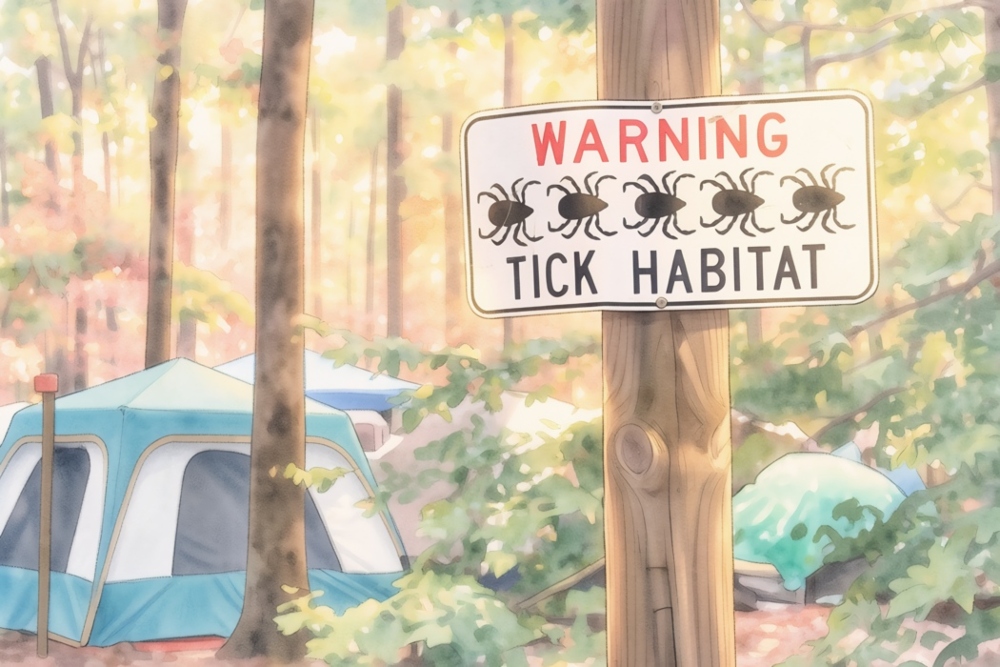

Arkansas is a paradise for outdoor lovers in the summer. From the misty peaks of the Ozark Mountains to the forests of the Ouachita National Forest, from the clear waters of the Buffalo National River to the bayous of the Delta, there is no shortage of places to explore. A little know-how about ticks and chiggers can help you focus on the adventure instead of the itching afterward.
Here is what Arkansas hikers, paddlers, campers, anglers, and trail runners should know before heading outside.
Know Your Tiny Neighbors
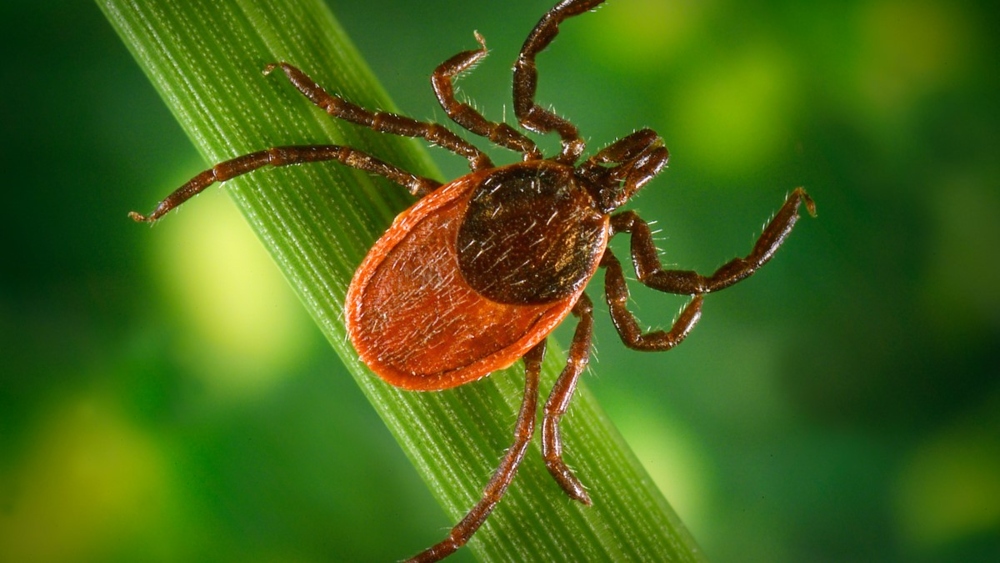
Ticks are small arachnids commonly found in tall grass, brushy areas, leaf litter, and along wooded trails. In Arkansas, the species most often encountered are the lone star tick, the American dog tick, and the black-legged tick. They do not jump or fly. Instead, they wait on vegetation and grab onto people or animals that brush past.
Ticks in Arkansas can carry illnesses such as Rocky Mountain spotted fever, Ehrlichiosis, and in some cases may be linked to alpha-gal syndrome.
Chiggers are the larval stage of mites so small they are often hard to see. They thrive in low, moist vegetation such as grassy creek banks, berry patches, fields, and overgrown areas. Chiggers do not burrow into the skin. They attach to the surface and feed briefly, leaving behind itchy welts that can last for days.
Both ticks and chiggers are most active from spring through early fall, right during Arkansas’s outdoor adventure season.
Dress Smart Before You Head Out
Your clothing is the first line of defense. Light-colored clothing makes ticks easier to spot before they reach your skin. Long sleeves and long pants help create a barrier, especially on overgrown trails. Tucking your shirt into your pants and your pants into your socks or boots can make a surprising difference.
Lightweight, moisture-wicking fabrics can keep you cooler in the summer heat while still providing coverage.
Treating clothing, shoes, and gear with permethrin is another effective option. It should never be applied directly to the skin and should be allowed to dry completely before use. Many outdoor brands also sell pre-treated clothing.
Use Repellent on Exposed Skin
EPA-registered insect repellents can significantly reduce bites. Products containing DEET, picaridin, or IR3535 are all good choices and available at local outdoor gear shops. Apply repellent to exposed skin such as ankles, lower legs, wrists, arms, and the back of the neck. Reapply according to label directions, especially if you are sweating heavily or spending time near water.
Choose Your Route Wisely
You do not need to avoid the outdoors, but it helps to be strategic. Staying in the center of trails reduces contact with tall grass and brush where ticks often wait. Avoid sitting directly on logs, leaf litter, or thick grass during breaks. A camp chair, blanket, or seat pad can create a helpful barrier.
Be extra cautious around creek banks, moist meadows, and shaded overgrowth where chiggers are especially common during the warmer months.
Check Yourself After the Adventure
When you return to your vehicle, campsite, or home, take a few minutes to check yourself, children, and pets. Ticks often move toward warm or hidden areas such as behind the knees, under the arms, around the waistband, behind the ears, in the groin area, and along the hairline.
Run your fingers through your hair and inspect clothing seams as well.
If you find a tick, use fine-tipped tweezers. Grasp it as close to the skin as possible and pull upward with steady, even pressure. Do not twist or jerk. Clean the area afterward with soap and water or rubbing alcohol.
If you have been in chigger habitat, shower as soon as possible and wash thoroughly with soap and water. This may help remove them before irritation becomes severe.
After the Trip
Once home, place clothing in a dryer on high heat for at least 10 minutes, longer if the clothes are damp. Then wash them normally. Check backpacks, hats, blankets, and pet gear before bringing them inside.
Watch bites over the next several days. A small itchy bump may only need anti-itch cream. But if you develop fever, rash, headache, fatigue, or flu-like symptoms after a tick bite, contact a healthcare provider.
Get Out and Enjoy It
Ticks and chiggers are a manageable part of Arkansas summers, not a reason to stay inside. With repellent, smart clothing choices, and a quick post-adventure check, you can enjoy the Natural State with confidence.
Those trails are not going to hike themselves.
Information for this article was gathered from the University of Arkansas Extension Service.
This article was originally published on ArkansasOutside.com, your trusted source for outdoor news and updates in The Natural State. Unless otherwise credited, all photos included in this piece are the property of Arkansas Outside, LLC. We take pride in sharing the beauty and adventures of Arkansas through our lens—thank you for supporting our work!