
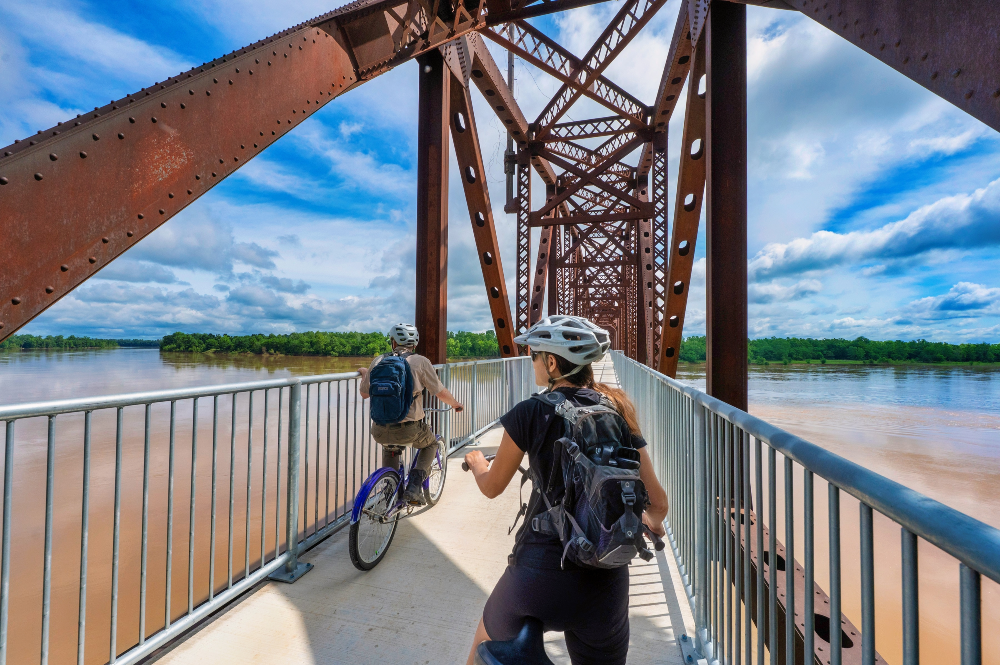

After decades of planning, construction, and partnership building, Arkansas is finally within sight of completing one of its most ambitious outdoor recreation projects.
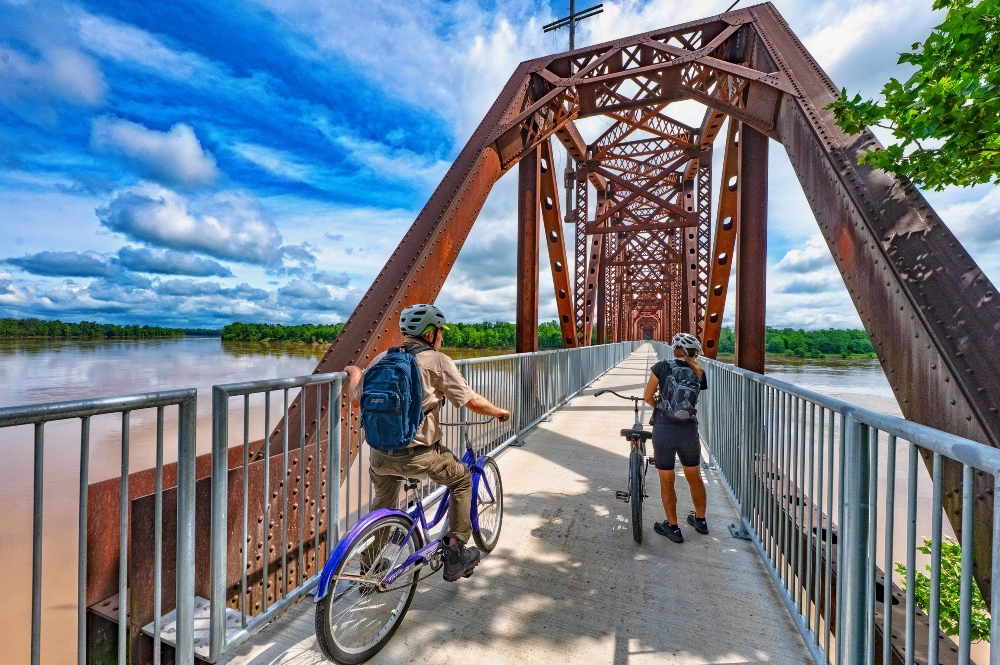
The Delta Heritage Trail State Park is now entering its final phase of construction. When work on the White River “Benzal” Bridge is completed later this year, trail users will be able to travel the entire 84.5-mile route through the Arkansas Delta on a continuous recreational corridor stretching from Arkansas City toward Helena-West Helena.
According to Arkansas State Parks Deputy Director Jeff King, the finish line is finally in sight.
“We’re under construction on the final phase of the project,” King said. “Really, we’re down to the last piece, which is the White River bridge. Construction is progressing well, and the contract runs through mid-December. Once that’s completed, we’ll have the entire 84.5-mile trail open.”
Final Bridge Represents Last Major Hurdle
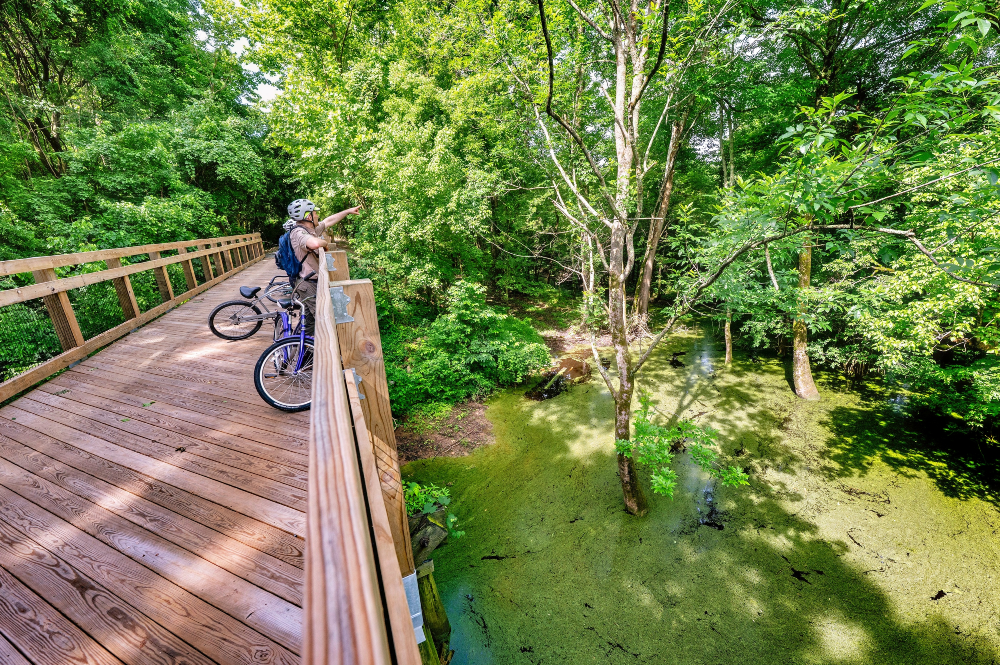
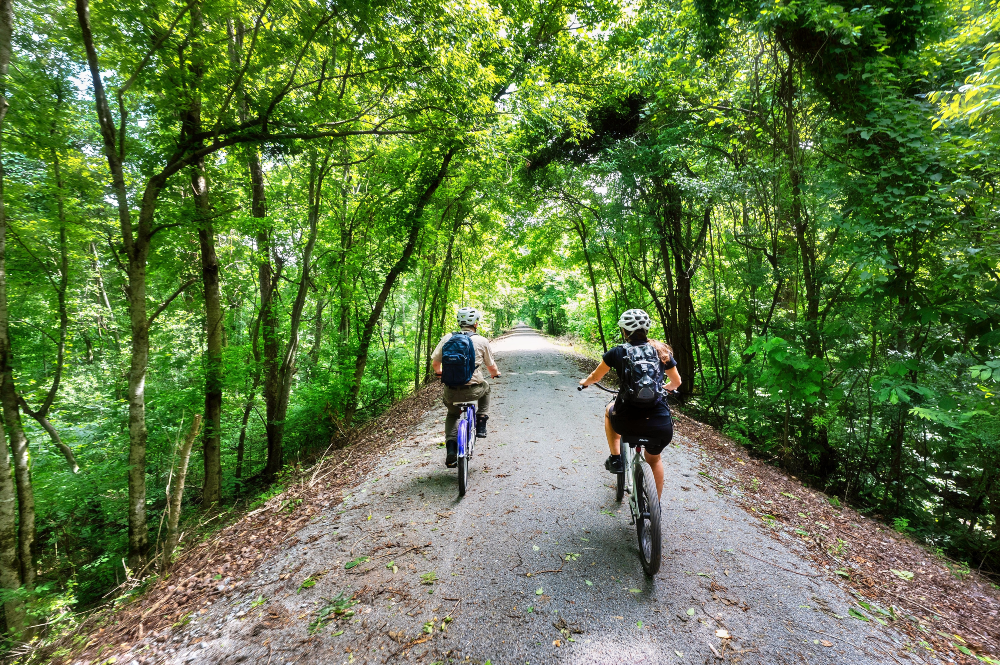
The Delta Heritage Trail follows a former Railroad corridor through some of the most unique landscapes in Arkansas. The route passes through bottomland hardwood forests, wetlands, agricultural lands, and historic Delta communities, providing visitors with a rare opportunity to experience the region’s natural beauty and rich cultural heritage.
The trail’s origins date back to a 1992 donation of a rail corridor. Since then, the project has been completed in multiple phases as funding became available and complex bridge crossings were designed and constructed.
King said most of the trail’s major structures are already complete.
“Those sections are complete,” he said. “We’re really down to this last phase, which is exciting. None of this would have been possible without strong partnerships and support from both private philanthropy and federal grant funding.”
Funding for the final construction phases includes support from a $20 million federal RAISE grant and matching contributions from the Walton Family Foundation. The funding package helped advance the final sections of trail between Snow Lake and the Arkansas River, including multiple bridge crossings and approximately 13 miles of new trail.
Arkansas Graveler Riders Will Get a Preview
The Delta Heritage Trail has already become an important destination for gravel cyclists, and portions of the route are expected to be featured during this year’s Arkansas Graveler.
While the final White River bridge will not be completed in time for the event, participants will still experience significant portions of the trail.
“From what I’ve seen, the Graveler plans to utilize portions of the Delta Heritage Trail, just not that final bridge segment,” King said.
Currently, more than 69 miles of trail are open to the public. Recent completion of the Yancopin Bridge significantly expanded access to the southern portion of the corridor and marked another major milestone toward full trail connectivity.
New Camping and Visitor Amenities Planned
Completion of the trail itself is only the beginning of the next chapter for Delta Heritage Trail State Park.
Arkansas State Parks has already begun planning improvements around Yancopin Trailhead, north of Watson, Arkansas, one of the key recreation hubs along the trail.
“Once the trail itself is complete, our next focus will be improvements at Yancopin Trailhead,” King said. “Plans include camper cabins, additional primitive campsites, and bathhouse improvements. Those facilities will be operated by Arkansas State Parks.”
The additions are expected to make the trail more attractive for bikepackers, long-distance cyclists, hikers, and other visitors looking to explore the entire corridor over multiple days.
Delta Communities Preparing for Trail Tourism
Communities along the trail are also preparing for increased visitation once the corridor is fully connected.
“We’ve seen a lot of momentum and excitement from local communities,” King said. “Our Office of Outdoor Recreation is coordinating with towns and stakeholders to help prepare for the trail’s completion.”
The Arkansas Office of Outdoor Recreation has been working with local leaders, businesses, and economic development organizations to identify opportunities along the corridor. Efforts include helping communities attract lodging, dining, outfitter services, and other visitor-focused businesses.
The office has also partnered with the Arkansas Small Business and Technology Development Center to identify service gaps and support entrepreneurs interested in serving trail users.
Officials believe the completed trail could become a major economic driver for the Arkansas Delta. A 2019 economic impact study estimated the trail could generate approximately $13 million annually for surrounding communities.
A Landmark Trail for Arkansas
The Delta Heritage Trail has never been a simple project. Crossing rivers, wetlands, levees, and flood-prone landscapes required years of engineering, environmental review, and collaboration.
Along the route, visitors encounter restored railroad depots, interpretive exhibits, and historic sites that tell the story of the Arkansas Delta and the communities that grew along the former rail line.
When the White River bridge opens, Arkansas will gain one of the longest rail-trails in the region and a destination that showcases a part of the state often overlooked by outdoor travelers.
For cyclists, hikers, runners, and birdwatchers, the completion of the Delta Heritage Trail will mark the beginning of a new era of outdoor recreation in eastern Arkansas.
For more information about Delta Heritage Trail State Park, visit Arkansas State Parks.
Photos courtesy of the Arkansas Department of Parks, Heritage and Tourism (ADPHT).
This article was originally published on ArkansasOutside.com, your trusted source for outdoor news and updates in The Natural State. Unless otherwise credited, all photos included in this piece are the property of Arkansas Outside, LLC. We take pride in sharing the beauty and adventures of Arkansas through our lens—thank you for supporting our work!