
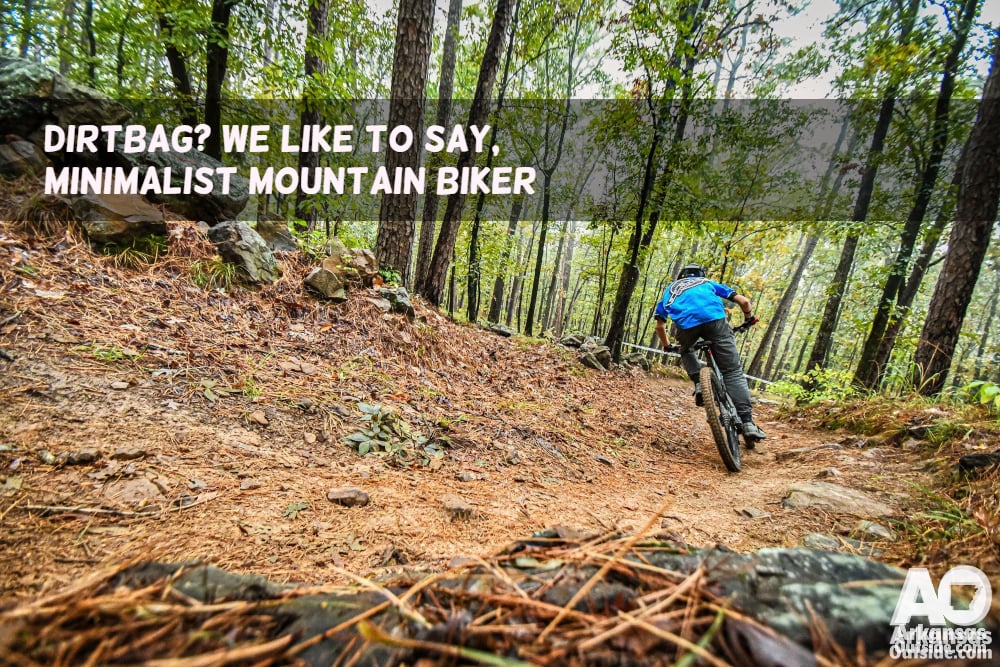

Mountain biking has a reputation for shiny new bikes, endless accessories, and a constant stream of upgrades. Walk into any bike shop or scroll through social media, and it’s easy to believe you need the latest components and gadgets to enjoy the trails.
The truth is much simpler.
Some of the best rides happen with a dependable bike, a few essential tools, and the confidence that comes from experience. A minimalist approach to mountain biking isn’t about denying yourself quality equipment. It’s about carrying only what you need, buying gear that lasts, and spending more time riding than shopping.
Whether you’re exploring Arkansas’s Monument Trails, tackling technical Ozark singletrack, or cruising your favorite local trail after work, simplifying your setup can make every ride more enjoyable.
Start with One Versatile Mountain Bike
The foundation of minimalist mountain biking begins with choosing a bike that can do almost everything.
Instead of owning multiple bikes for different riding styles, look for a model that performs well across a wide range of terrain.
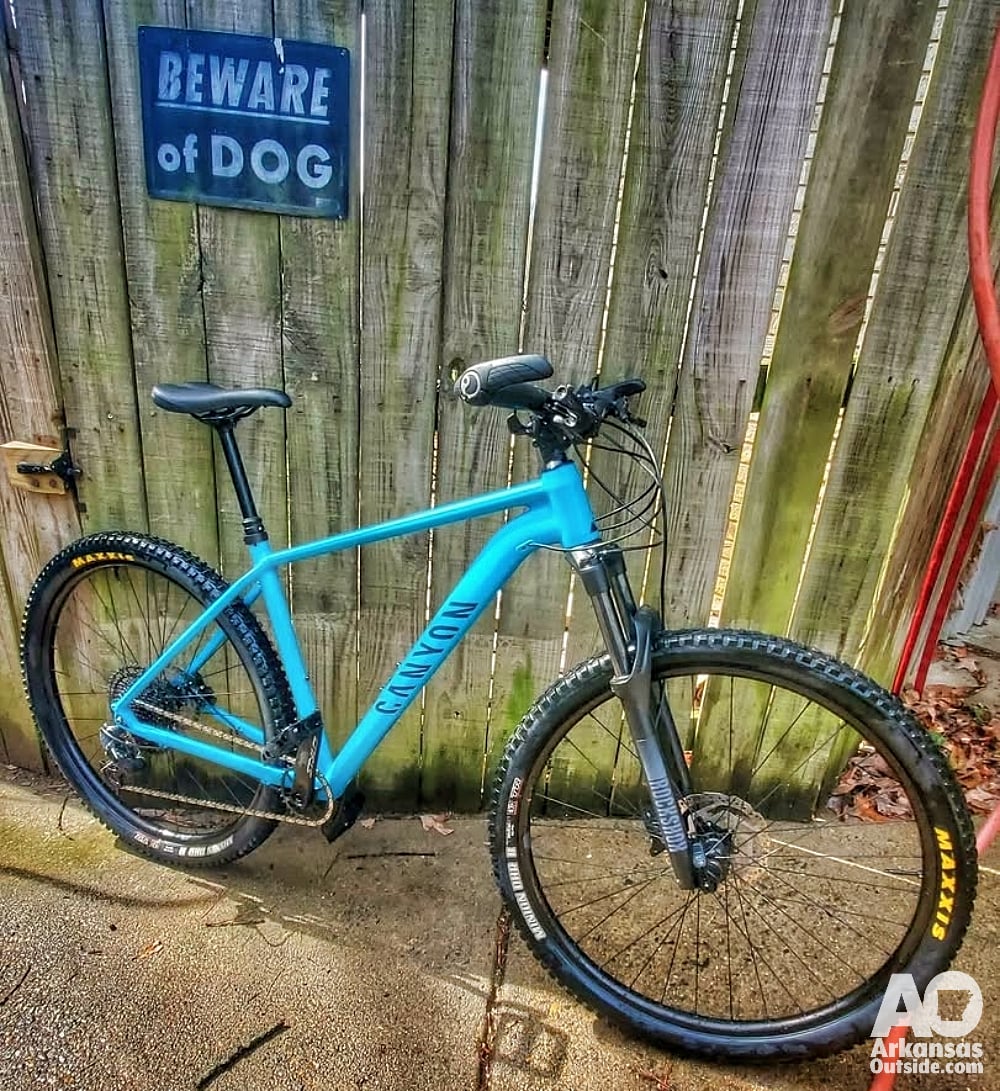
A modern trail bike or hardtail is often the perfect choice.
Hardtails are lighter, simpler to maintain, and capable of handling everything from smooth cross-country trails to surprisingly technical terrain. A quality trail bike adds more comfort and capability while remaining versatile enough for long rides, flow trails, and rocky descents.
Rather than chasing every new trend, invest in a well-built bike with reliable components. A durable bike that receives regular maintenance will often provide years of dependable service.
Carry Only What You Need
One of the easiest ways to embrace minimalism is by reducing what you carry on every ride.
For most day rides, your essentials include:
- A properly fitted helmet
- A multi-tool
- A spare tube or tubeless repair kit
- Tire levers
- A mini-pump or CO₂ inflator
- Water
- A small snack for longer rides
- A phone and identification
Many riders discover they don’t need a large hydration pack for every outing. A waist pack with a water bottle or a bike-mounted bottle cage often carries everything needed while reducing weight and improving comfort.
Choose multi-purpose tools whenever possible. A compact multi-tool with common hex keys, chain tool, and spoke wrench replaces several individual tools while taking up very little space.
Simplify Your Riding Clothing
You don’t need an entirely separate wardrobe for mountain biking.
Instead, build a small collection of high-quality clothing that works across multiple outdoor activities.
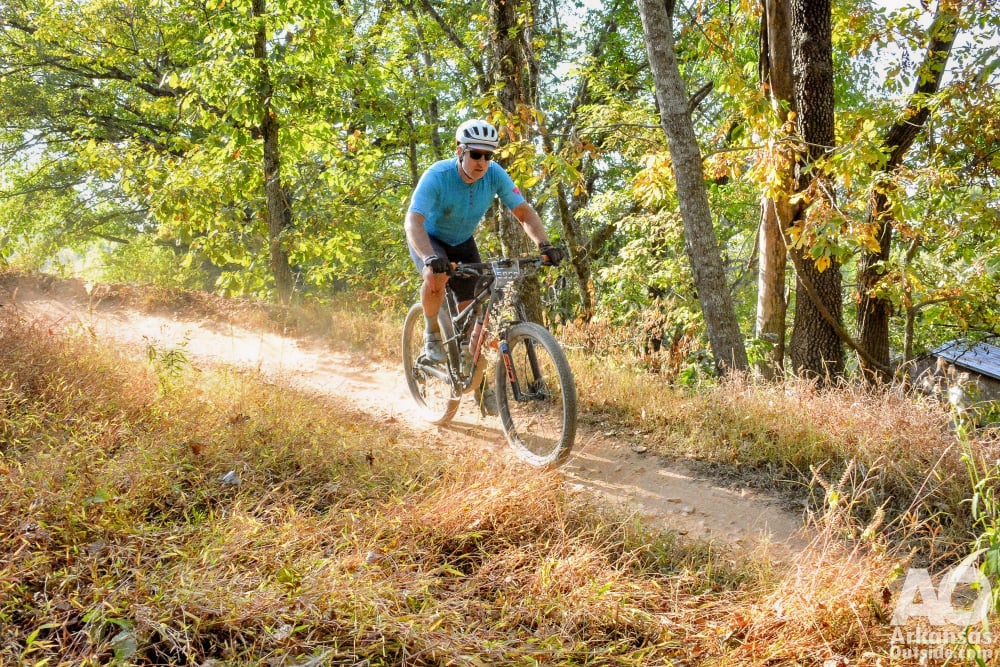
A simple layering system covers nearly every riding condition:
- Moisture-wicking base layer
- Lightweight insulating layer for cooler weather
- Waterproof shell for rain or wind
Look for clothing that’s equally comfortable on a bike, hiking trail, or campsite.
Footwear is another opportunity to simplify. Many flat pedal shoes provide excellent grip on the bike while remaining comfortable enough for walking, hiking, or traveling, eliminating the need for multiple pairs of shoes.
Maintain Your Equipment Instead of Replacing It
Minimalism isn’t about owning less for the sake of owning less. It’s about getting the most from what you already have.
Regular maintenance keeps your bike performing like new while extending the life of expensive components.
Simple habits make a big difference:
- Wash mud and grit off after rides.
- Keep the drivetrain clean and lubricated.
- Check tire pressure before every ride.
- Inspect brake pads and bolts regularly.
- Replace worn parts before they damage other components.
Learning basic repairs also reduces dependence on carrying excessive spare parts or visiting the bike shop for every minor issue.
Knowing how to repair a flat tire, adjust brakes, or fix a broken chain gives you confidence while keeping your toolkit compact.
Old equipment often deserves a second life as well. Worn inner tubes become excellent gear straps, chainstay protectors, or emergency tie-downs.
Pack Smarter for Bigger Adventures
Minimalist principles become even more valuable during longer rides and bikepacking trips.
Before heading out:
- Research the trail and weather.
- Pack only what’s appropriate for the conditions.
- Choose lightweight gear that serves multiple purposes.
- Plan food and water resupply opportunities whenever possible.
For riders interested in multi-day adventures without investing in a garage full of camping gear, supported bikepacking events or guided tours provide an excellent introduction while allowing you to carry only personal essentials.
Build Skills Instead of Buying Speed
Perhaps the biggest lesson in minimalist mountain biking is that rider skill usually matters more than expensive equipment.
Improving your abilities pays dividends on every trail.
Focus on developing:
- Better cornering technique
- Smooth braking
- Efficient climbing
- Balance and bike handling
- Reading trail features
As your skills improve, you’ll rely less on equipment upgrades to overcome challenging terrain.
The result is greater confidence, more enjoyment, and better riding regardless of what bike you’re on.
Ride with Purpose
Minimalism naturally encourages a more sustainable approach to mountain biking.
Buying fewer products means less waste, fewer unnecessary upgrades, and more thoughtful purchasing decisions.
Simple habits can reduce your environmental impact:
- Use reusable water bottles.
- Repair gear whenever possible.
- Buy quality equipment designed to last.
- Stay on designated trails.
- Pack out everything you bring.
Taking care of both your equipment and the places you ride helps preserve Arkansas’s incredible trail systems for future generations.
Less Gear, More Adventure
Minimalist mountain biking isn’t about giving something up. It’s about gaining something more valuable.
A lighter pack. Less maintenance. Fewer distractions. More confidence.
Most importantly, it’s about remembering why we started riding in the first place.
The best mountain bike ride isn’t determined by the newest drivetrain or the latest gadget. It’s measured by the miles of singletrack, the views from the overlook, the conversations at the trailhead, and the smile that lasts long after the ride ends.
Before your next trip to the trails, take one more look at your gear.
Ask yourself what you truly need.
You may discover that the best rides come from carrying less and experiencing more.
This article was originally published on ArkansasOutside.com, your trusted source for outdoor news and updates in The Natural State. Unless otherwise credited, all photos included in this piece are the property of Arkansas Outside, LLC. We take pride in sharing the beauty and adventures of Arkansas through our lens—thank you for supporting our work!