

Estimated reading time: 6 minutes
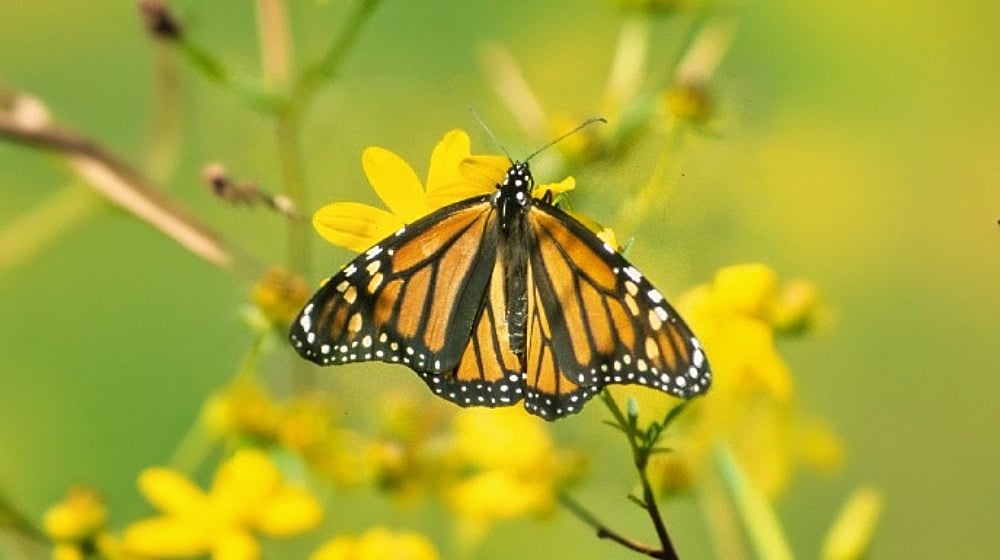
As millions of monarch butterflies make their annual journey south this fall, Arkansans have a front-row seat to one of North America’s most remarkable migrations.
Mount Magazine State Park, Arkansas’s highest point, is one of the state’s notable places to watch it happen.
The migration comes as the future federal status of the monarch remains unresolved. On September 30, the Center for Biological Diversity and Center for Food Safety announced that the U.S. Fish and Wildlife Service has agreed to make a final Endangered Species Act listing determination for the monarch butterfly by June 6, 2030. The agreement resolves a lawsuit filed by the conservation organizations seeking a deadline for a final decision.
The Fish and Wildlife Service proposed listing the monarch as a threatened species in December 2024. As of September 2026, however, monarchs are not federally listed as threatened or endangered, and protections associated with a final listing are not currently in effect.
Arkansas Is Along the Monarch Highway
For Arkansans, the federal debate coincides with the time of year when the butterflies themselves are passing through the state.
Eastern monarchs undertake a migration stretching thousands of miles from the northern United States and southern Canada to overwintering forests in central Mexico. Arkansas lies along that southbound route.
Unlike most monarch generations, which live relatively short lives, the late-summer migratory generation postpones reproduction and travels south to Mexico. Along the way, the butterflies depend on flowering plants for nectar that fuels the journey.
That makes Arkansas’s late-season wildflowers an important resource during migration.
And few places in Arkansas offer a more dramatic opportunity to watch that migration than Mount Magazine.
Monarchs at Mount Magazine
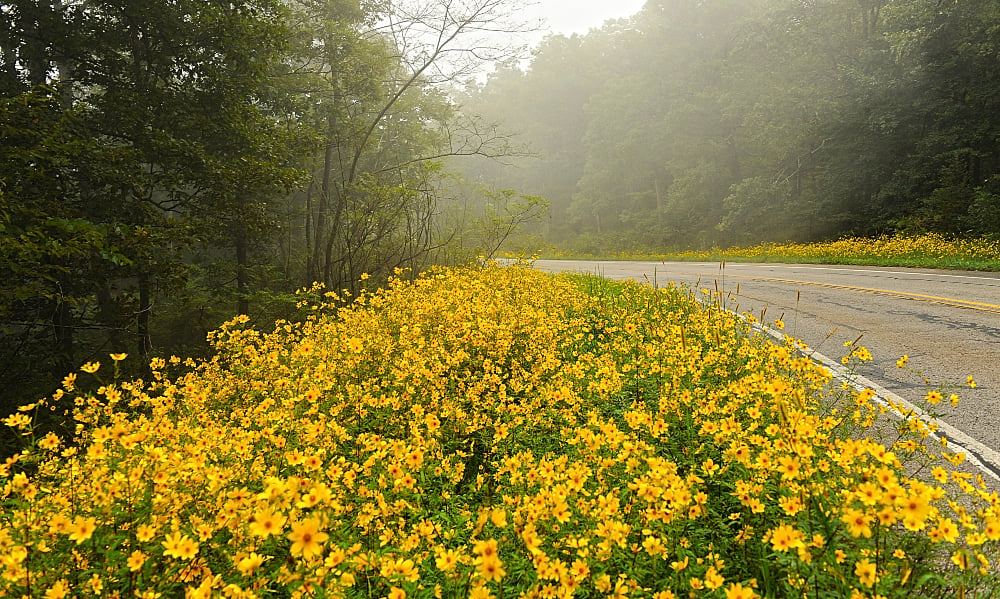
At 2,753 feet above sea level, Mount Magazine is the highest point in Arkansas. Its elevation, bluff lines, open areas, forests and diverse plant communities have also made the mountain an unusually rich butterfly habitat. Ninety-four of the 134 butterfly species recorded in Arkansas have been documented on Mount Magazine.
During fall migration, the mountain’s geography becomes especially useful to monarchs.
Arkansas State Parks has described monarchs and other migrating butterflies using updrafts to help carry them over the mountain. Some stop along the way to feed on patches of late-blooming wildflowers along park roadsides. Butterflies arriving later in the day may gather in trees on the mountain’s southwestern side before continuing south.
The relationship between the park and monarch migration is well established. Mount Magazine has included a “Migrating Monarchs” program among its educational offerings, and park interpreters have historically used monarch tagging to help visitors learn about the insects’ migration.
The mountain’s butterfly diversity has long been part of its identity. Mount Magazine previously hosted an annual butterfly festival, and the park remains particularly well known for butterflies, including Arkansas’s state butterfly, the Diana fritillary.
Late September and early October are particularly good times to keep an eye out for southbound monarchs.
Visitors hoping to see them should watch flowering areas around the park and pay attention to sunny, relatively calm periods when butterflies are active. Evening can provide a different experience as migrating monarchs sometimes gather together to roost.
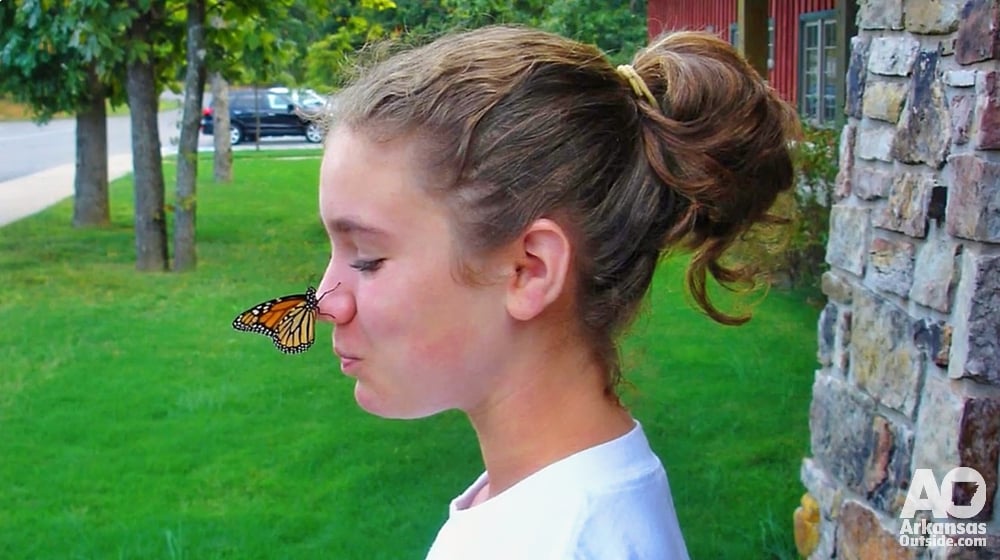
As with any wildlife viewing, observers should give the butterflies space and avoid disturbing clusters or vegetation.
A Population Still Facing Long-Term Risks
There was some encouraging monarch news earlier this year.
The annual survey of eastern monarchs at their wintering grounds in Mexico found that butterflies occupied 7.24 acres of forest during the winter of 2025-26, up from 4.42 acres the previous winter. That represents a 64% year-to-year increase.
The increase, however, does not erase the longer-term concerns that prompted consideration of Endangered Species Act protection.
The Fish and Wildlife Service’s species assessment concluded that eastern migratory monarchs have an estimated 56% to 74% probability of extinction within 60 years, while the western migratory population has an estimated 99% probability. The agency identified habitat loss and degradation, insecticide exposure and climate change among the major threats.
The 2024 federal proposal therefore called for listing the monarch as threatened rather than endangered. It also proposed approximately 4,395 acres of critical habitat at western monarch overwintering locations in California.
The new agreement means a final decision on that proposal now has a deadline, but it could remain unresolved for several more years.
The Center for Biological Diversity and Center for Food Safety criticized the length of the delay while saying that having a binding deadline was significant. The organizations were among conservation groups that first petitioned the federal government for monarch protections in 2014.
Milkweed and Wildflowers Both Matter
Protecting monarch habitat involves more than protecting the butterflies themselves.
Milkweed is essential because it is the host plant used by monarch caterpillars. Adult monarchs, meanwhile, depend on nectar from a much wider range of flowering plants.
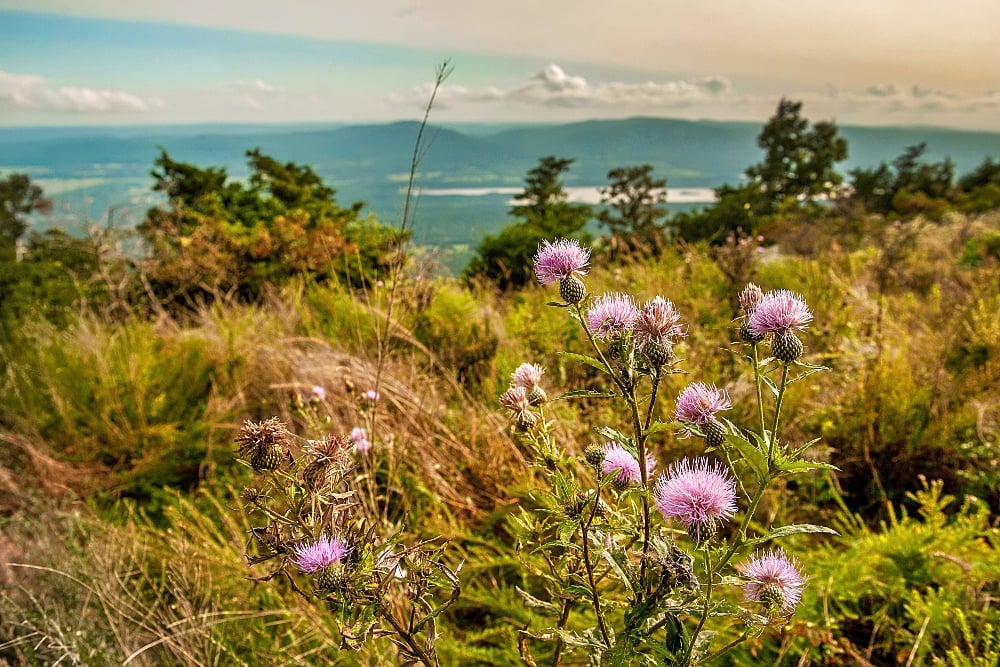
That distinction becomes particularly important during fall migration through Arkansas. Butterflies heading toward Mexico need nectar-rich flowers to replenish energy reserves along their route.
The Fish and Wildlife Service says habitat loss and degradation across monarch breeding, migration and overwintering areas remain major concerns. The agency encourages landowners, gardeners, agricultural producers, governments and other groups to participate in monarch conservation efforts.
For homeowners, that can mean growing native milkweed along with native flowering plants that provide nectar at different times of the year, particularly late-summer and fall blooms.
A Migration Worth Watching
The federal listing process will now continue toward a deadline nearly four years away. The monarch migration, however, isn’t waiting.
Right now, butterflies are moving south across the continent, and some are passing directly through Arkansas.
A monarch stopping on a wildflower at Mount Magazine may have already traveled hundreds of miles. If conditions cooperate, that same butterfly could eventually reach the high-elevation forests of central Mexico.
For visitors to Arkansas’s highest mountain, the next few weeks offer an opportunity to see a small piece of that much larger journey.
Mount Magazine State Park is located at 16878 Highway 309 South near Paris, Arkansas. Visitors interested in current monarch activity or park interpretive programs can contact the park at 479-963-8502.
This article was originally published on ArkansasOutside.com, your trusted source for outdoor news and updates in The Natural State. Unless otherwise credited, all photos included in this piece are the property of Arkansas Outside, LLC. We take pride in sharing the beauty and adventures of Arkansas through our lens, thank you for supporting our work!