
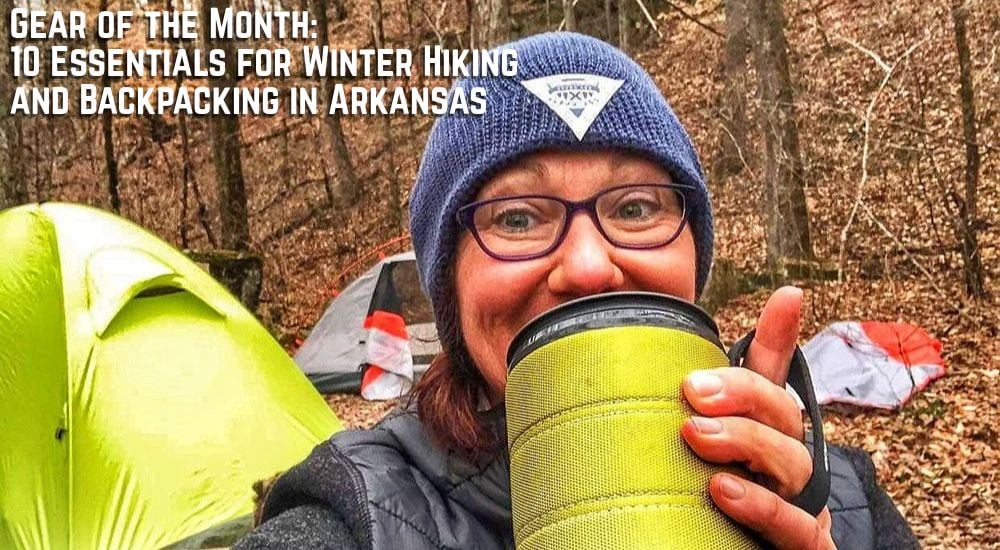

From wool socks to warmer sleeping pads, these 10 pieces of gear can make winter adventures more comfortable and provide some great holiday gift ideas for the hikers on your list.
Estimated reading time: 13 minutes
Winter may be one of the best times to explore Arkansas on foot. The leaves are off the trees, revealing views hidden during the warmer months. Popular trails are often less crowded, waterfalls can be spectacular following winter rains, and the usual collection of ticks, mosquitoes and other biting insects is considerably less troublesome.
But winter hiking and backpacking in Arkansas come with challenges. Temperatures can swing dramatically over the course of a day, and a pleasant afternoon on the trail can turn into a cold, wet evening at camp. The Ozark and Ouachita mountains can experience freezing temperatures, ice and even snow, while lower elevations may see cold rain and muddy trails.
Whether you’re planning a day hike at Petit Jean State Park, an overnight trip along the Ozark Highlands Trail or a backpacking adventure on the Ouachita National Recreation Trail, having the right gear can make the difference between a memorable adventure and a miserable experience.
With the holiday shopping season approaching, we’ve put together 10 pieces of gear worth considering for winter hiking and backpacking in Arkansas. Some are inexpensive stocking stuffers, while others make excellent gifts for the serious outdoor enthusiast.
Non-Electric Hand and Toe Warmers
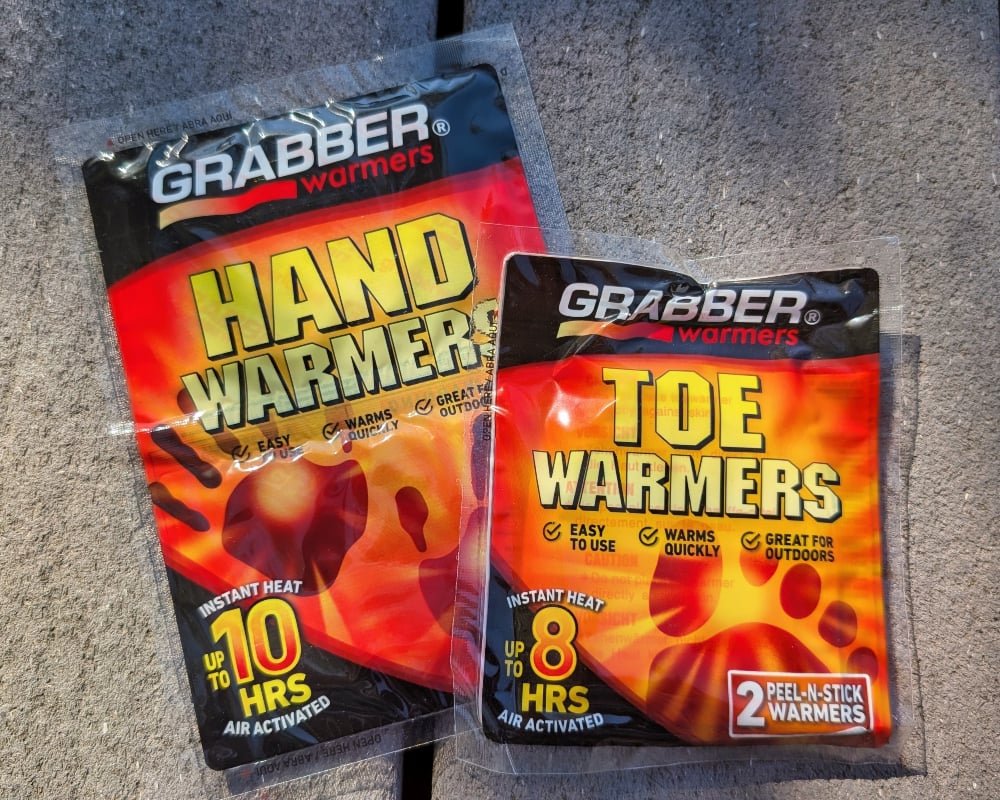
Sometimes the simplest gear makes the biggest difference.
Disposable, air-activated hand and foot warmers are inexpensive, lightweight and easy to stash in a backpack. Most begin producing heat after exposure to air and can provide several hours of warmth, depending on the product.
Hand warmers are particularly useful during rest stops, while setting up camp or when sitting around on a chilly evening. Foot warmers can help keep toes comfortable during long periods of inactivity.
These are not substitutes for proper gloves, socks or insulated footwear, but they can provide welcome supplemental warmth.
For backpackers, consider carrying a couple of extra pairs in a waterproof bag. Be sure to follow the manufacturer’s directions, particularly regarding skin contact and use while sleeping.
Holiday gift idea: A multipack of hand and foot warmers makes an affordable stocking stuffer for almost any outdoor enthusiast.
Wool Hat and Socks
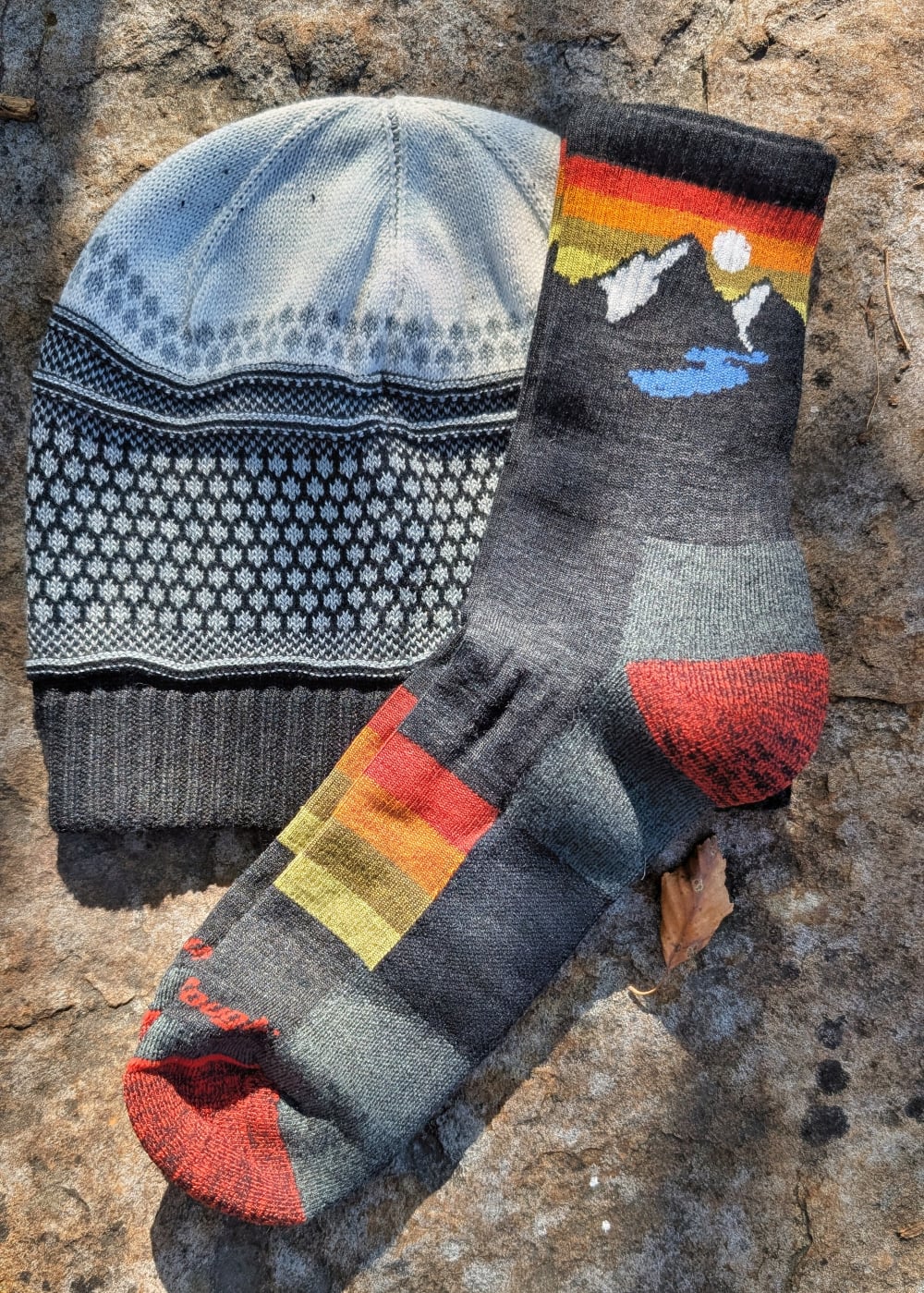
There’s a reason wool has remained a favorite material among outdoor enthusiasts for generations.
Merino wool and wool blends provide insulation, manage moisture and resist odors better than many traditional fabrics. Unlike cotton, wool can retain some insulating ability when damp.
A lightweight wool beanie can make a remarkable difference during cold morning starts or around camp after sunset. It takes up very little space in a pack and can be especially useful when sleeping in a tent.
Wool socks are equally important. Good hiking socks help manage moisture, reduce friction and provide cushioning during long days on the trail.
For winter backpacking, consider carrying a dedicated pair of dry wool socks to wear only at camp or inside your sleeping bag. Few things feel better than changing out of damp hiking socks after a long day.
Make sure winter socks do not fit so tightly inside your boots that they restrict circulation.
Holiday gift idea: A quality pair of merino wool hiking socks or a wool beanie is a practical gift that will likely see years of use.
A Buff or Neck Gaiter
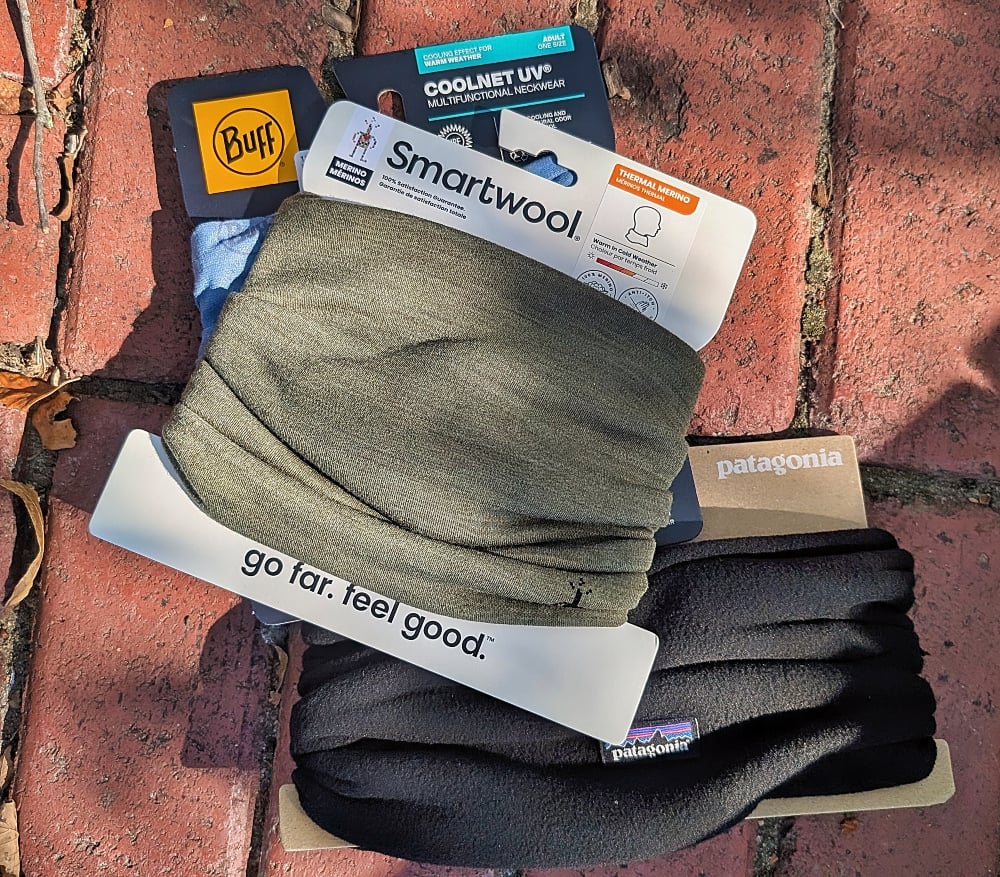
One of the most versatile pieces of outdoor clothing is also one of the smallest.
A Buff-style multifunctional neck gaiter can be worn around the neck, pulled over the nose and mouth, used as a headband or worn beneath a hat for additional warmth.
During cold, windy hikes along exposed ridgelines, a neck gaiter helps reduce heat loss around the neck and face. It can also provide protection from dust and sun during warmer outings.
Lightweight merino wool and synthetic versions are available. Wool blends tend to provide more warmth, while thin synthetic versions often dry more quickly.
The real advantage is versatility. A single piece of fabric can serve several purposes without adding much weight or bulk to a backpack.
Holiday gift idea: A multifunctional neck gaiter is an excellent stocking stuffer, particularly for hikers who already seem to own everything.
Layered Clothing
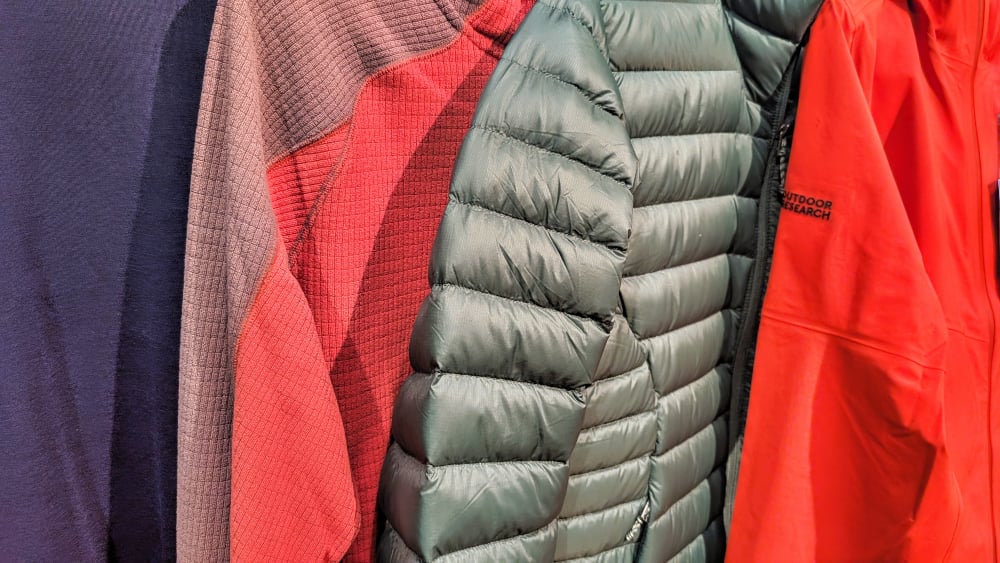
If there’s one lesson Arkansas winter weather teaches outdoor enthusiasts, it’s that dressing for the temperature at the trailhead isn’t always enough.
A cold morning can turn into a warm afternoon, followed by falling temperatures and rain. Layering allows hikers to adjust their clothing as conditions and activity levels change.
A good winter layering system typically includes:
- Base layer: Wool or synthetic clothing that moves moisture away from the skin. Avoid cotton, which holds moisture and can contribute to chilling.
- Midlayer: Fleece or another insulating material that provides warmth while allowing some moisture to escape.
- Insulating layer: A down or synthetic insulated jacket for rest stops, camp and particularly cold conditions. Synthetic insulation generally performs better when damp, while down provides excellent warmth for its weight when kept dry.
- Outer layer: A wind-resistant or waterproof shell that protects against rain and cold wind. Water-repellent coatings can handle light precipitation, but prolonged rain calls for more substantial waterproof protection.
One common mistake is wearing too much clothing while climbing. Sweating heavily in cold weather can leave clothing damp, increasing the risk of becoming chilled when activity stops.
Start slightly cool, adjust layers as needed and keep your insulating clothing dry.
Holiday gift idea: A quality fleece jacket, merino wool base layer or lightweight rain shell makes a useful gift. Just be sure you know the recipient’s size and clothing preferences.
A Sleeping Pad With a Higher R-Value
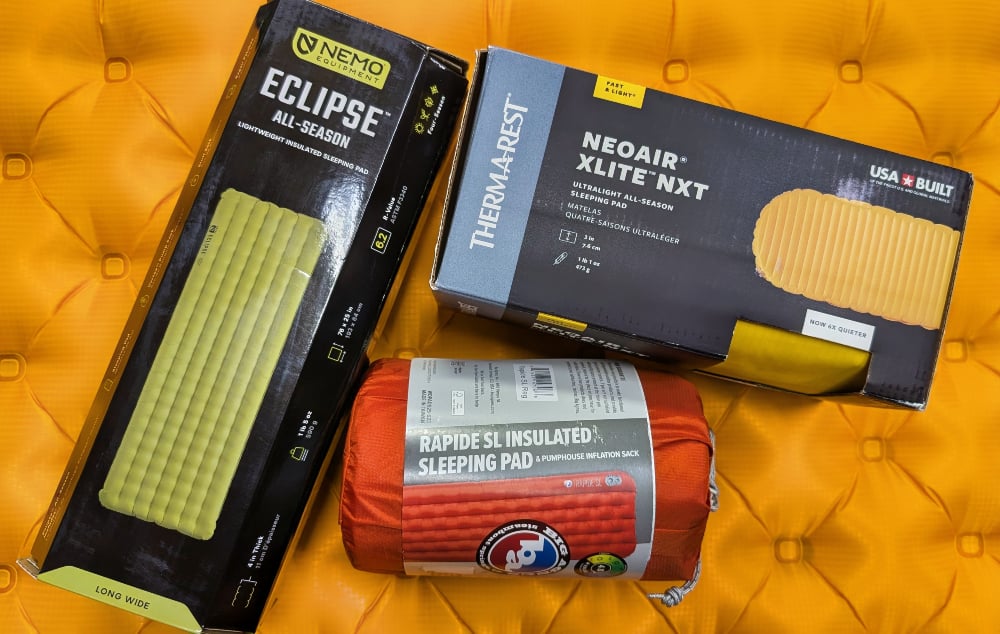
For winter backpackers, staying warm at night requires more than a good sleeping bag.
The ground can draw heat away from your body, even when the air temperature doesn’t seem particularly cold. A sleeping pad provides cushioning, but just as importantly, it provides insulation between you and the ground.
Sleeping pad insulation is measured using an R-value. The higher the number, the greater the pad’s resistance to heat transfer.
For Arkansas winter backpacking, a pad with an R-value of approximately 4 or higher is a good starting point. Colder conditions and people who sleep cold may call for a rating of 5 or more.
A lightweight summer sleeping pad may be comfortable but offer little protection from cold ground temperatures.
Backpackers can also combine a closed-cell foam pad with an inflatable pad to increase total insulation.
Remember that sleeping bag temperature ratings depend partly on the insulation beneath the sleeper. Even an expensive sleeping bag may not keep you comfortable if your sleeping pad is inadequate.
Holiday gift idea: An insulated sleeping pad is an excellent gift for backpackers who want to extend their camping season into winter. It’s one of the more expensive items on this list, but it can make a substantial improvement in overnight comfort.
A First-Aid Kit
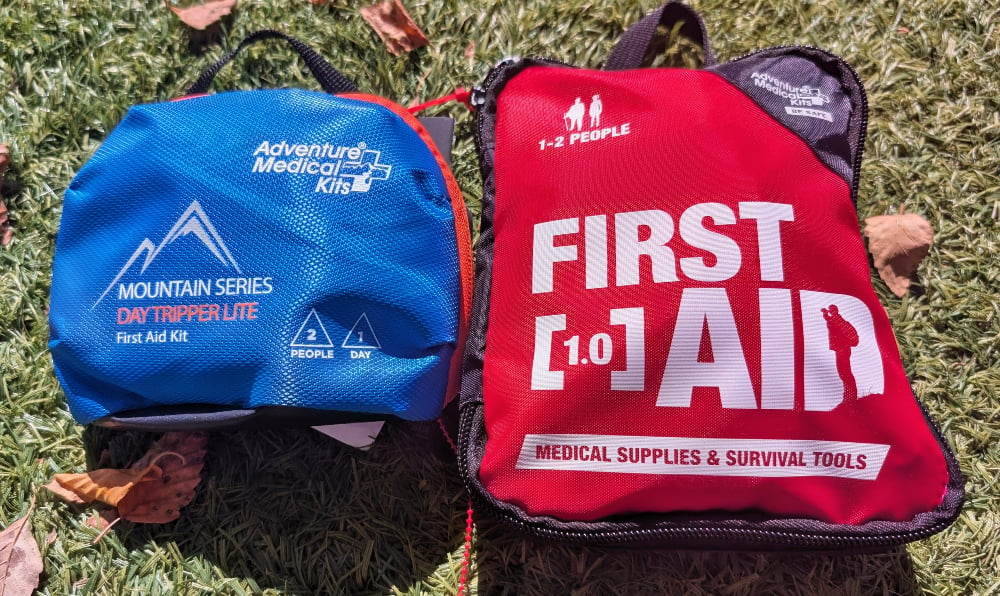
A first-aid kit belongs in every hiker’s backpack, regardless of the season.
Winter conditions can make even minor injuries more complicated. Cold fingers make simple tasks more difficult, wet trails increase the likelihood of slips and falls, and shorter daylight hours can make an unexpected delay more serious.
A basic hiking first-aid kit should include adhesive bandages, sterile gauze, blister treatment, medical tape, antiseptic wipes, appropriate pain relievers and any necessary personal medications.
For backpacking trips, consider additional supplies based on the length of the trip, group size and distance from emergency assistance.
The best first-aid kit isn’t necessarily the largest. It’s one that contains useful supplies and that you know how to use.
Pack medical supplies in a waterproof container or bag, and check expiration dates before heading out.
Holiday gift idea: A compact, trail-ready first-aid kit makes a thoughtful gift for new hikers. More experienced backpackers may appreciate a lightweight kit they can customize.
A Backpacking Pillow
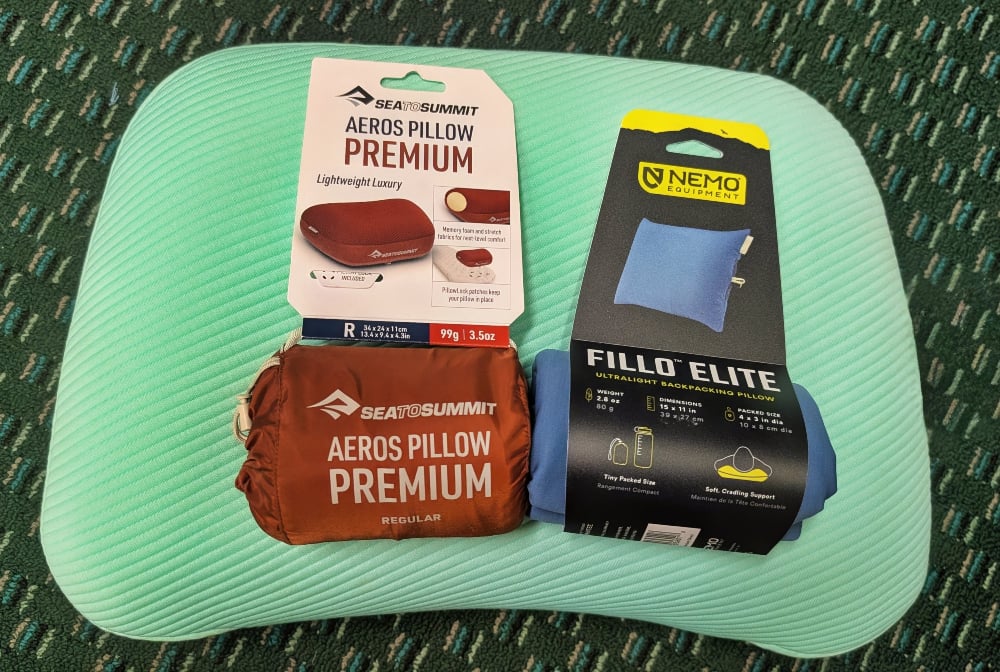
A pillow may sound like a luxury item, particularly to backpackers who carefully count every ounce.
But a good night’s sleep can make a tremendous difference during a multiday adventure.
Many backpackers traditionally stuff extra clothing into a stuff sack to create a makeshift pillow. That approach works, but it isn’t always comfortable, particularly when most of your clothing is being worn to stay warm.
Modern backpacking pillows are lightweight, compact and available in inflatable, foam-filled and hybrid designs.
Inflatable pillows generally pack the smallest and allow users to adjust firmness. Foam-filled designs may offer a more familiar feel but usually take up more space.
For winter trips, consider the comfort of the fabric against your face and whether the pillow stays in place on your sleeping pad.
Holiday gift idea: A lightweight backpacking pillow is a relatively affordable upgrade that many hikers might not purchase for themselves.
A Quick-Drying Towel
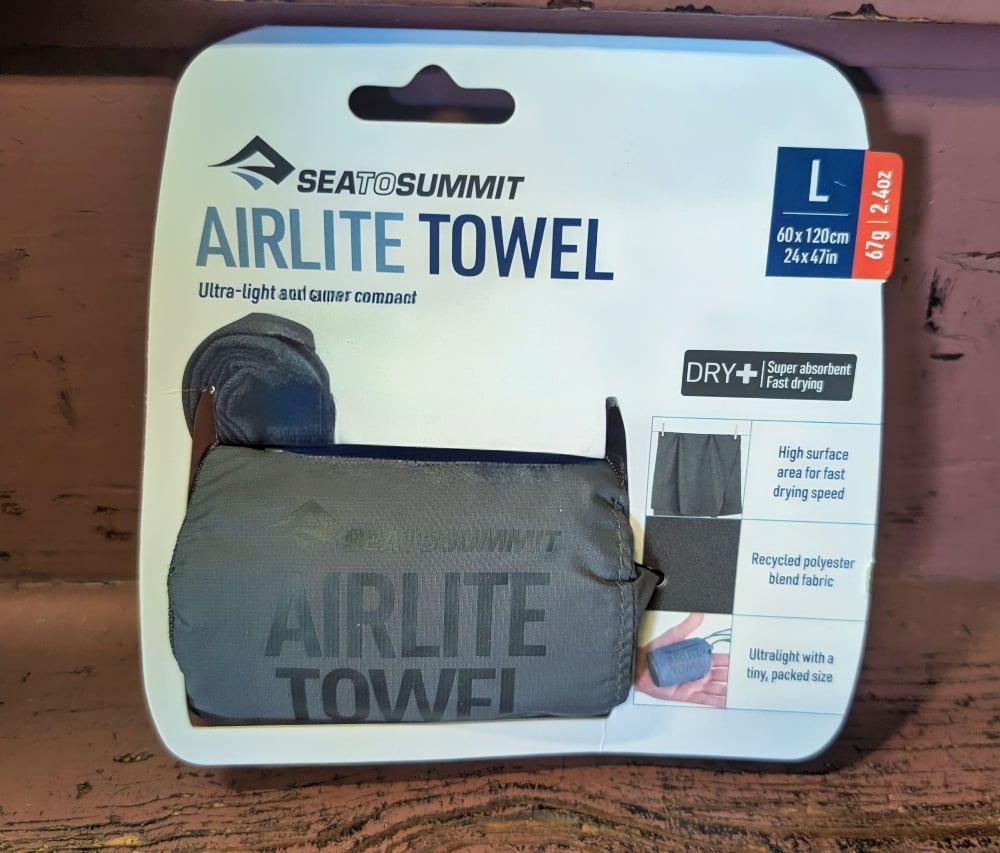
A towel might not be the first thing that comes to mind when packing for a winter hike, but it can serve several useful purposes.
A small microfiber or other quick-drying camp towel can wipe condensation from tent walls, dry wet gear, clean cooking equipment or help dry hands and feet before getting into a sleeping bag.
Condensation can be a particular issue during cold-weather camping. Warm, moist air inside a tent can collect on colder surfaces, leaving moisture on tent walls and gear.
A compact towel helps manage that moisture without adding much weight.
Unlike a traditional cotton bath towel, a backpacking towel is designed to absorb moisture while drying relatively quickly.
Choose a size appropriate for your needs. A small towel may be sufficient for general camp chores, while a larger version can be useful for personal hygiene.
Holiday gift idea: A compact quick-drying towel is an inexpensive, practical gift for hikers, backpackers, paddlers and campers.
Gloves
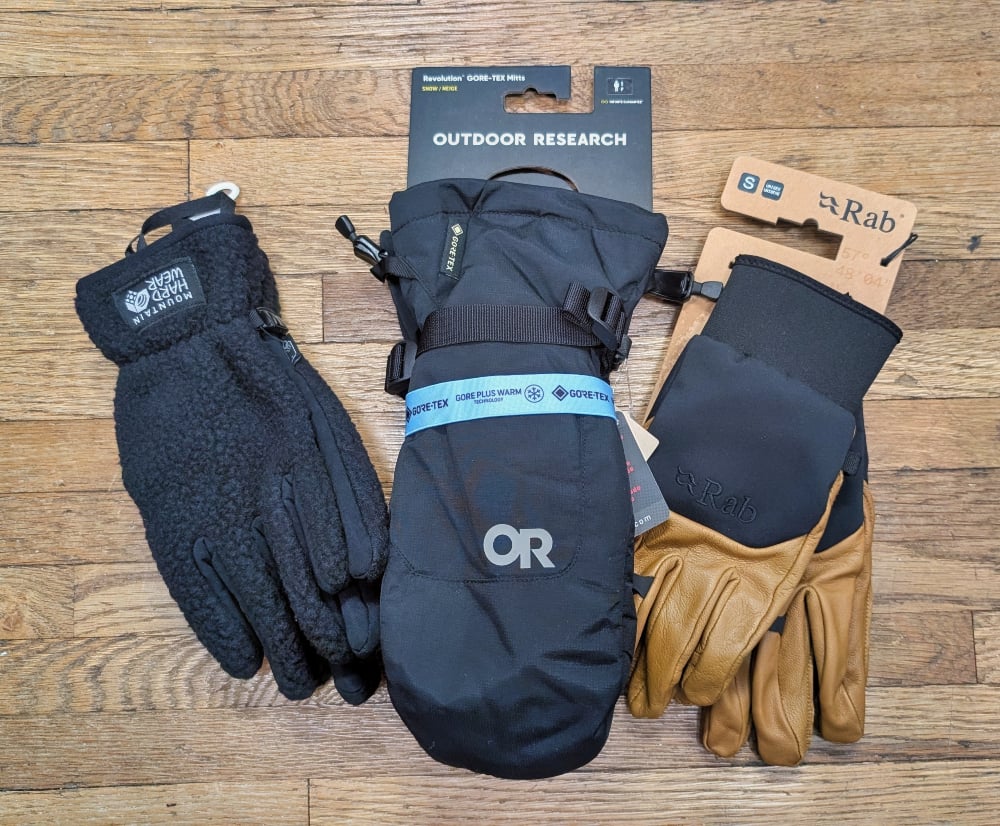
Cold hands can turn an otherwise enjoyable hike into a frustrating experience.
Gloves provide more than comfort. They help maintain the dexterity needed to adjust backpack straps, operate trekking poles, set up tents, prepare food and handle small pieces of equipment.
For active hiking in cool weather, lightweight fleece or synthetic gloves may be sufficient.
In colder or wetter conditions, insulated gloves or waterproof overmitts offer additional protection.
Some hikers prefer a layering approach, using thin liner gloves beneath heavier gloves or mittens. This allows them to perform tasks without completely exposing their hands to the cold.
For winter backpacking, carrying a dry backup pair can be particularly valuable.
Avoid relying solely on gloves that become saturated and lose their insulating ability.
Holiday gift idea: Lightweight touchscreen-compatible gloves, insulated hiking gloves or waterproof mittens make practical gifts for cold-weather adventurers.
A Reliable Headlamp
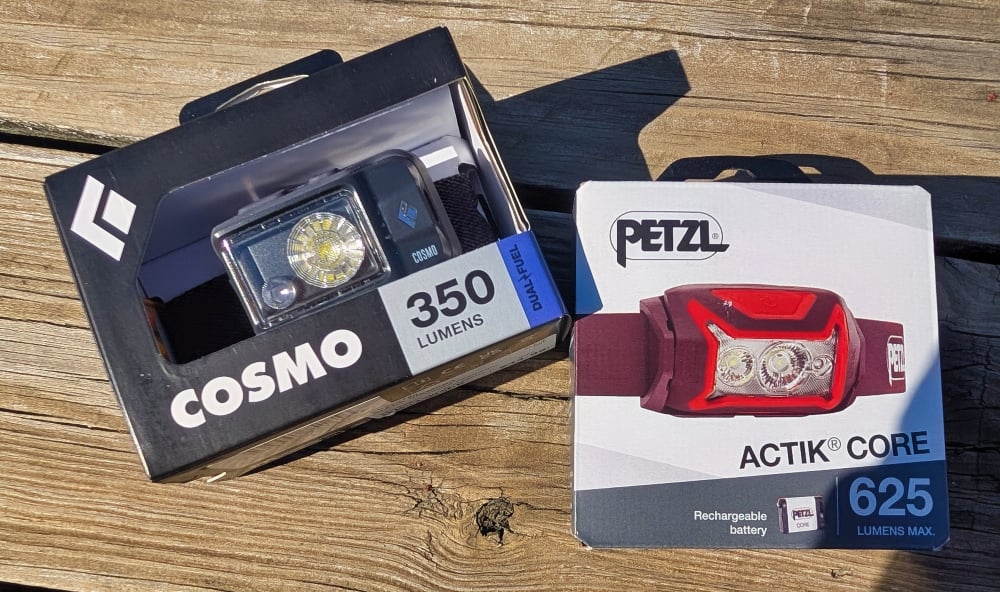
Winter brings shorter days, and those shorter days can catch hikers by surprise.
A trail that takes three hours in summer may take considerably longer when conditions are muddy, icy or covered with fallen leaves. Add a late start or an unexpected delay, and a planned daylight hike can quickly become a walk in the dark.
A headlamp is one of the most important pieces of equipment a hiker can carry.
Unlike a handheld flashlight, a headlamp leaves both hands free for trekking poles, scrambling over rocks or setting up camp.
When selecting a headlamp, consider brightness, battery life, water resistance, weight and ease of operation while wearing gloves.
Rechargeable headlamps are convenient, but cold temperatures can reduce battery performance. For longer winter trips, carry a backup power source or spare batteries compatible with your light.
A lower-output setting is often sufficient for camp chores and can significantly extend battery life.
Holiday gift idea: A quality headlamp is useful for hikers, backpackers, trail runners and just about anyone who spends time outdoors after sunset.
A Few More Things to Consider Before Heading Out
These 10 items can make winter hiking and backpacking more comfortable, but they aren’t a complete backcountry packing list.
Before heading out, make sure you also have adequate food and water, navigation tools, emergency shelter or insulation appropriate for your trip, and a reliable way to communicate or summon assistance. A properly rated sleeping bag or quilt is essential for overnight trips, and traction devices may be needed when trails become icy.
Check the weather forecast, understand the conditions along your intended route and let someone know where you’re going and when you expect to return.
Remember that cell service can be unreliable in portions of the Ozark and Ouachita mountains. Downloading offline maps and carrying appropriate navigation equipment can help prevent an inconvenient situation from becoming an emergency.
Give the Gift of More Time Outdoors
One of the great things about buying gifts for hikers is that useful gear doesn’t always have to be expensive.
A pair of wool socks, a neck gaiter or a few hand warmers can make a meaningful difference during a cold-weather adventure. Larger purchases, such as an insulated sleeping pad or a quality waterproof jacket, can help extend the hiking and backpacking season.
When buying gear for someone else, consider how they actually spend time outdoors. A day hiker may appreciate a headlamp, gloves or warm socks, while a backpacker might get more use from a sleeping pad or lightweight pillow.
And if you’re unsure what equipment someone needs, a gift card from a local outdoor retailer lets them choose the right size, fit and features for their adventures.
Arkansas offers year-round opportunities to explore its trails, forests and mountains. With a little preparation and the right equipment, winter can become one of the most rewarding seasons to get outside.
After all, there’s no such thing as a bad time to explore Arkansas. Sometimes you just need better gear.
All pictured gear is available at Ozark Outdoor Supply in Little Rock, Arkansas.
This article was originally published on ArkansasOutside.com, your trusted source for outdoor news and updates in The Natural State. Unless otherwise credited, all photos included in this piece are the property of Arkansas Outside, LLC. We take pride in sharing the beauty and adventures of Arkansas through our lens, thank you for supporting our work!