
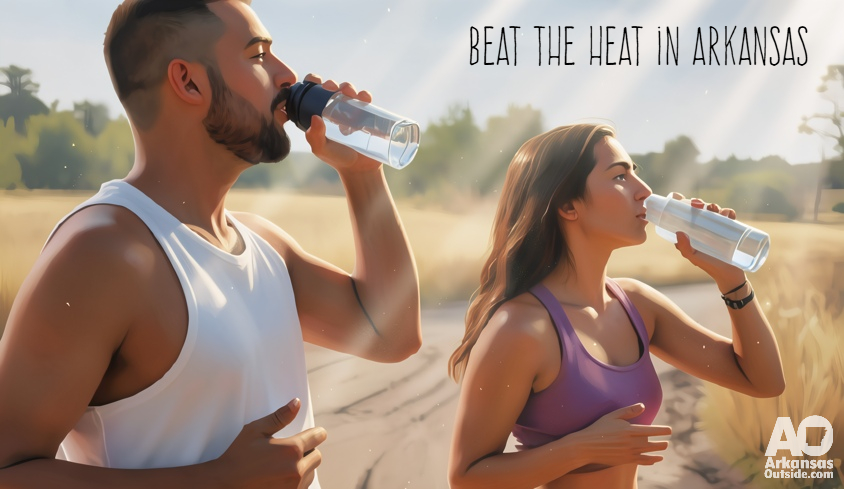

Summer in Arkansas brings long days, beautiful scenery, and endless opportunities to hike, paddle, ride, camp, and explore. It also brings high temperatures and humidity that can quickly turn an enjoyable adventure into a dangerous situation.
Whether you’re hiking to a waterfall in the Ozarks, floating the Buffalo National River, riding the Delta Heritage Trail, or spending the day at an Arkansas state park, understanding how to prevent heat-related illness is essential. Heat exhaustion and heat stroke send thousands of people to emergency rooms each year, but most cases can be prevented with proper planning and a little common sense.
These Arkansas summer outdoor safety tips will help you stay cool, stay hydrated, and continue enjoying everything the Natural State has to offer.
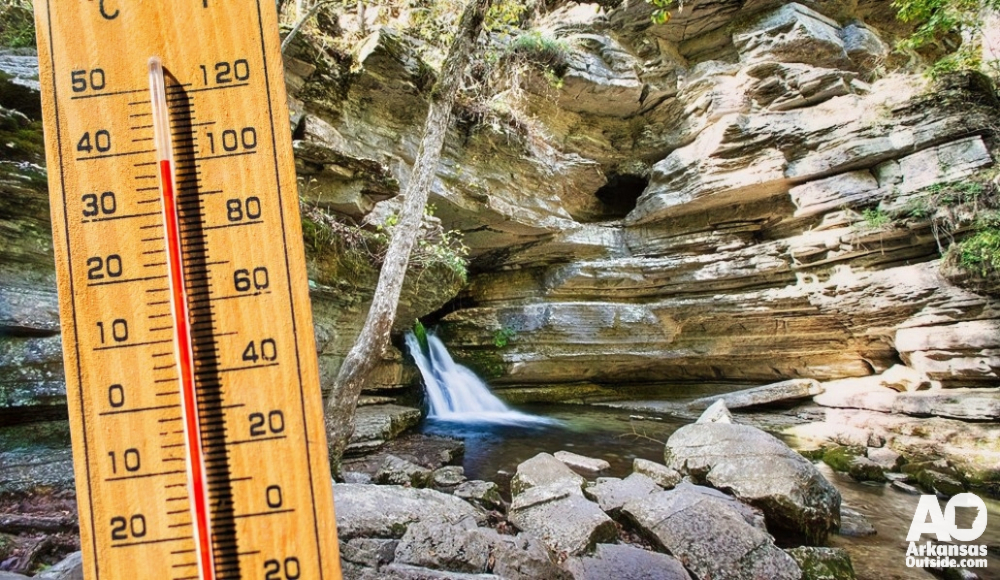
Arkansas Summer Heat Safety Tips for Hikers, Cyclists, and Paddlers
Drink Water Before You’re Thirsty
Thirst is one of the first signs you’re already becoming dehydrated. Drink water consistently before and during your outdoor activity. During strenuous exercise, aim to take a drink every 15 to 20 minutes. If you’re planning a long hike, bike ride, paddle, or trail run, bring electrolyte tablets or sports drinks to replace the minerals lost through sweat.
Plan Activities During Cooler Hours
The hottest part of the day typically falls between 10 a.m. and 4 p.m. Schedule hikes, runs, bike rides, and other outdoor adventures for early morning or late evening whenever possible. If you’re heading out during the middle of the day, choose shaded trails or activities near water where you can cool off.
Dress for the Arkansas Heat
Wear lightweight, loose-fitting, light-colored clothing that allows sweat to evaporate efficiently. Moisture-wicking fabrics help regulate body temperature, while a wide-brimmed hat, UV-blocking sunglasses, and sunscreen provide additional protection from the sun. Remember that sunburn limits your body’s ability to cool itself.
Know the Signs of Heat Illness
Heat exhaustion often develops gradually. Early warning signs include:
- Heavy sweating
- Dizziness
- Weakness
- Headache
- Nausea
- Muscle cramps
If untreated, heat exhaustion can progress to heat stroke, which is a life-threatening emergency. Warning signs include:
- Confusion
- Loss of consciousness
- Rapid pulse
- Hot skin that is dry or no longer sweating
If you suspect someone is experiencing heat stroke, call 911 immediately. Move the person into shade, begin cooling them with water or wet towels, remove excess clothing, and stay with them until emergency responders arrive.
Take Regular Breaks
Don’t wait until you’re exhausted to rest. Build breaks into your hike or ride and spend a few minutes in the shade whenever possible. If you’re with a group, check on one another regularly. Heat illness often develops before people realize they’re in trouble.
Give Your Body Time to Adjust
Your body becomes more efficient at handling heat over time. If you’re returning to outdoor activities after the winter or spring, gradually increase the length and intensity of your workouts over one to two weeks instead of tackling an all-day adventure on your first outing.
Pack Cooling Gear
Small items can make a big difference during an Arkansas summer. Consider bringing:
- Cooling towel
- Neck wrap
- Insulated hydration pack
- Electrolyte tablets
- Refillable water bottles
- Lightweight sun shirt
These items add very little weight but can significantly improve comfort and safety.
Cool Places in Arkansas to Escape the Summer Heat
Sometimes the best way to beat the heat is choosing a destination that’s naturally cooler.
Blanchard Springs Caverns
One of Arkansas’s most refreshing summer destinations, Blanchard Springs Caverns maintains a constant temperature of about 58 degrees year-round. Located near Mountain View in the Ozark-St. Francis National Forest, the caverns offer guided tours through spectacular underground formations.
After your tour, cool off even more along North Sylamore Creek, where visitors can wade, swim, or relax beside the clear water.
Mount Magazine State Park
At 2,753 feet above sea level, Mount Magazine is Arkansas’s highest point. The higher elevation typically brings temperatures several degrees cooler than the valleys below, along with frequent breezes that make summer afternoons much more comfortable.
Visitors can enjoy scenic overlooks, hiking trails, rock climbing, wildlife viewing, and the mountaintop lodge while escaping some of the state’s summer heat.
Woolly Hollow State Park
Just north of Conway, Woolly Hollow State Park offers a sandy swimming beach on Lake Bennett that’s perfect for cooling off after a morning hike or bike ride. The park also features paddling, fishing, camping, and miles of trails, making it an excellent destination for a full day outdoors.
Buffalo National River
Floating the Buffalo National River remains one of Arkansas’s favorite summer traditions. While the air temperatures can still be high, spending the day on the water provides a welcome escape from the heat. Be sure to continue drinking water throughout your trip, since paddlers often underestimate how quickly dehydration develops on the river.
Make sure to check water levels before heading out.
Frequently Asked Questions About Arkansas Summer Heat
What is the safest time to hike in Arkansas during summer?
Early morning and late evening generally offer the coolest temperatures and lowest heat index values. Whenever possible, avoid strenuous outdoor activity between 10 a.m. and 4 p.m.
How much water should I drink while hiking?
Drink before you become thirsty and continue drinking regularly throughout your activity. During strenuous exercise, most people should drink every 15 to 20 minutes while also replacing electrolytes during longer outings.
What is the difference between heat exhaustion and heat stroke?
Heat exhaustion typically includes heavy sweating, dizziness, weakness, nausea, and fatigue. Heat stroke is a medical emergency that can include confusion, unconsciousness, hot dry skin, and a dangerously high body temperature. Immediate medical attention is required.
Enjoy Arkansas Safely This Summer
Summer is one of the best times to experience Arkansas’s mountains, rivers, lakes, and trails. Whether you’re paddling the Buffalo, hiking in the Ozarks, cycling across Central Arkansas, or camping in one of the state’s outstanding parks, a little preparation goes a long way.
Drink plenty of water, plan activities around the coolest parts of the day, wear appropriate clothing, and recognize the warning signs of heat illness before they become serious. If temperatures or the heat index become extreme, consider spending the day exploring one of Arkansas’s naturally cooler destinations instead.
With smart planning, you can safely enjoy everything the Natural State has to offer throughout the summer.
This article was originally published on ArkansasOutside.com, your trusted source for outdoor news and updates in The Natural State. Unless otherwise credited, all photos included in this piece are the property of Arkansas Outside, LLC. We take pride in sharing the beauty and adventures of Arkansas through our lens—thank you for supporting our work!